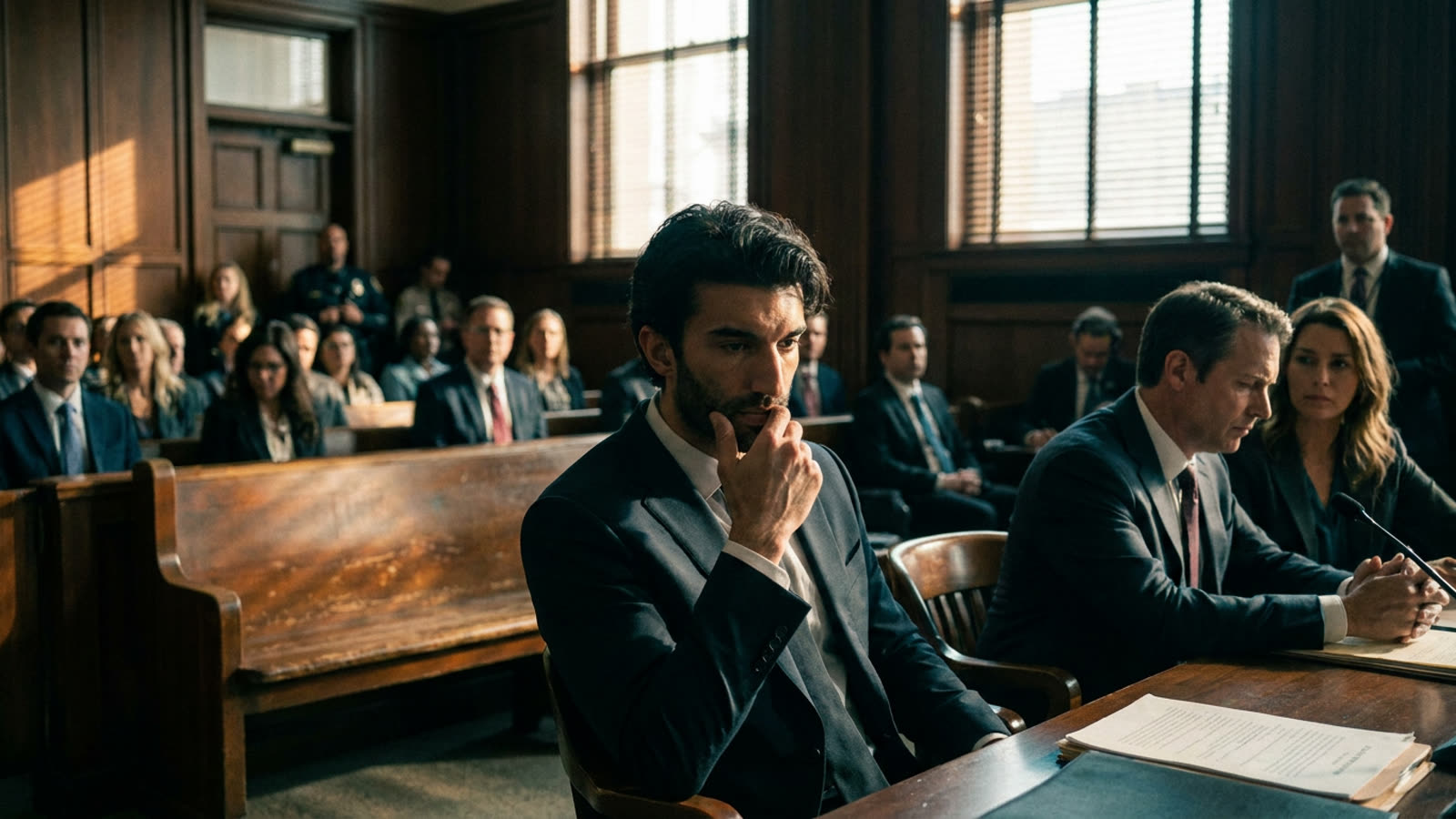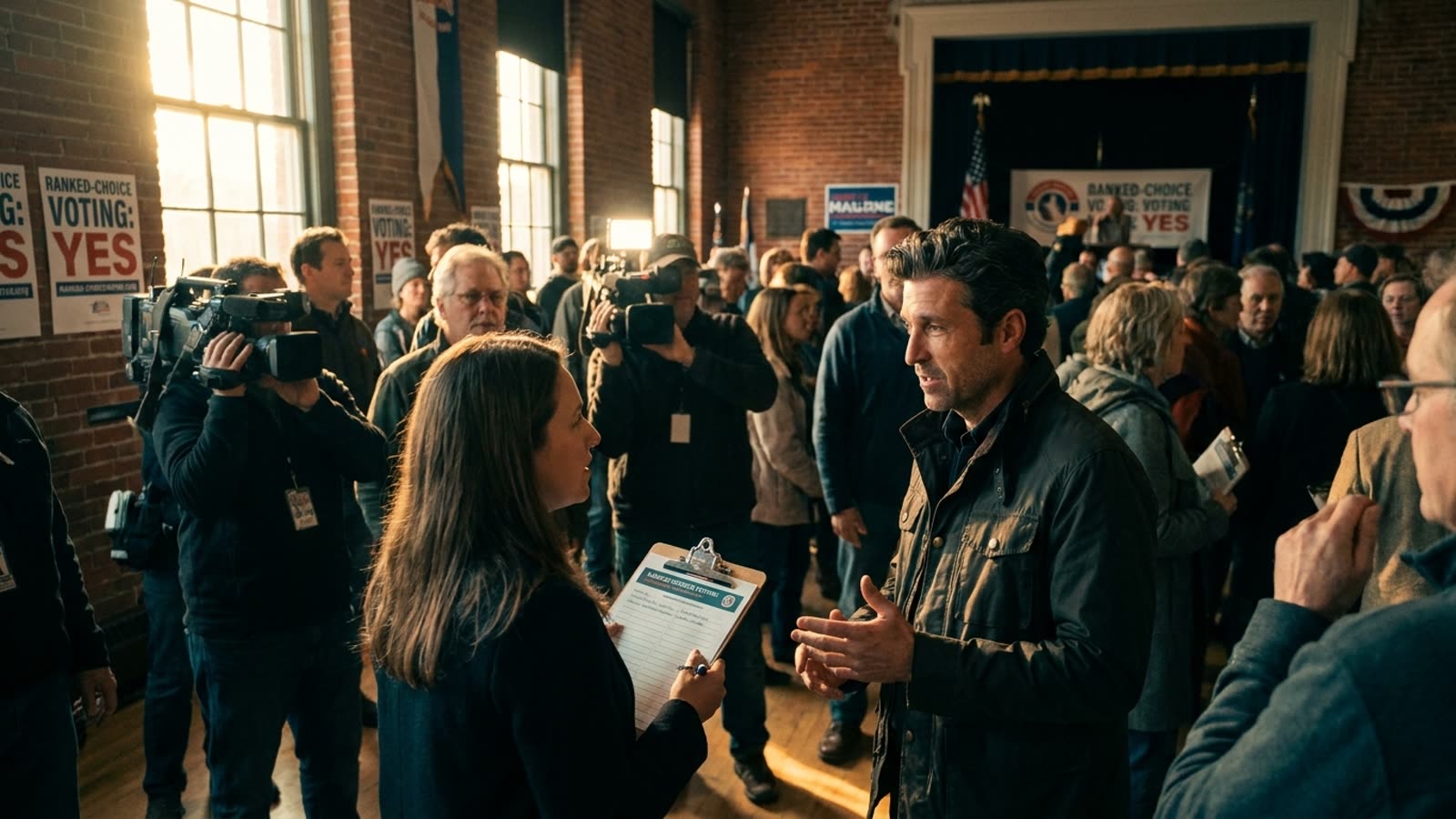
When Patrick Dempsey addresses Maine voters about ranked-choice voting, he is not speaking as a distant Hollywood figure parachuting into flyover country for a photo opportunity. The actor, who grew up in Lewiston and Buckfield, maintains a working farm in the state and has become one of its most visible cultural ambassadors. His decision to weigh in on an electoral-reform referendum represents a new template for celebrity political engagement—one that trades the glamour of presidential endorsements for the unglamorous work of defending procedural democracy.
Maine adopted ranked-choice voting in 2016, becoming the first state to use the system for statewide elections. The method, which allows voters to rank candidates by preference and eliminates the spoiler effect that bedevils traditional plurality voting, has survived multiple legal challenges and a 2018 people's veto attempt. Now it faces another referendum threat, and Dempsey has positioned himself as its unlikely defender.
The localization of celebrity politics
The traditional celebrity endorsement playbook—Taylor Swift urging voter registration, George Clooney hosting fundraisers for presidential candidates—operates at the national level where star power translates into media coverage and, theoretically, voter enthusiasm. But those interventions increasingly feel like background noise in an oversaturated political media environment.
Dempsey's Maine gambit represents something different. By focusing on a specific ballot measure in a state where he has genuine roots, he sidesteps the carpetbagger critique that haunted celebrities who descended on Georgia for its 2021 Senate runoffs. His farm, his local philanthropy through the Dempsey Center cancer support organization in Lewiston, and his continued presence in the state grant him a legitimacy that no amount of Instagram followers could manufacture.
Why ranked-choice voting attracts defenders
The system has become a cause célèbre for electoral reformers who argue it reduces negative campaigning, encourages coalition-building, and produces winners with broader support. Critics contend it confuses voters and delays results. What makes it politically interesting is that it lacks a clear partisan valence—Alaska uses it and elected a Democrat to Congress; Maine uses it and has elected Republicans statewide.
This ideological ambiguity may explain why a celebrity would risk wading in. Unlike abortion or gun control, ranked-choice voting does not automatically alienate half the potential audience. Dempsey can frame his advocacy as good-government reform rather than partisan warfare, preserving his commercial appeal while still engaging in political speech.
Our take
The McDreamy-ification of ballot-measure politics is, on balance, a healthy development. Celebrity interventions work best when they are specific, local, and rooted in genuine connection rather than performative solidarity. Dempsey cannot single-handedly save ranked-choice voting in Maine, but he can model what responsible celebrity citizenship looks like: showing up for your actual community on issues you actually understand. The alternative—another Instagram story about voting being important, accompanied by no particular information about what to vote for—has exhausted its utility.