The phrase "demand destruction" sounds clinical, almost bureaucratic, which is fitting for a concept that describes the point at which energy becomes so expensive that people simply stop using it. We are approaching that threshold now, and the implications extend far beyond the price at the pump.
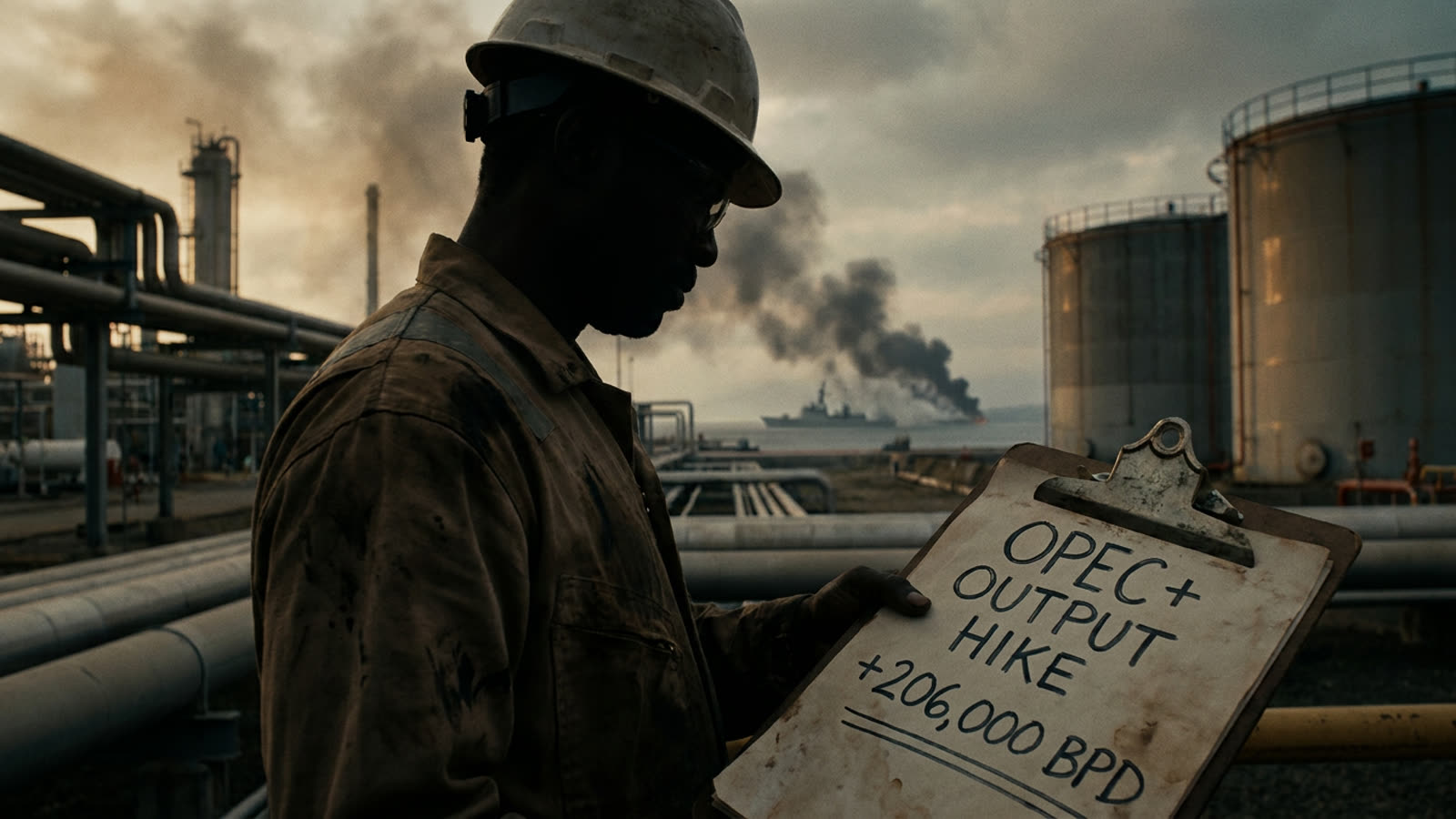
Crude oil has surged past $95 a barrel in recent weeks, driven by the ongoing tensions around the Strait of Hormuz and OPEC+'s calculated restraint in adding supply. The cartel's fourth consecutive quota adjustment has done little to calm markets already spooked by shipping disruptions and geopolitical brinksmanship. For consumers in developed economies accustomed to relatively stable energy costs, the reckoning is arriving with the summer driving season.
The mechanics of breaking point
Demand destruction occurs when prices rise high enough that consumption patterns fundamentally change—not through choice but through economic necessity. Airlines cancel routes. Trucking companies pass costs to shippers who pass them to retailers who pass them to households already stretched thin. The suburban commuter who once thought nothing of a forty-mile round trip starts doing the math differently.
The last time this dynamic mattered at scale was 2008, when oil briefly touched $147 a barrel before the financial crisis rendered the question moot. But today's economy is more fragile in different ways. Inflation has already eroded purchasing power across most income brackets. Central banks, having just signaled potential rate increases, are caught between fighting inflation and avoiding recession. High energy prices make both outcomes more likely.
Who gets hurt first
The distributional effects are predictable and ugly. Lower-income households spend a disproportionate share of their budgets on transportation and energy. Rural communities with no public transit alternatives face effective mobility taxes. Emerging markets that import oil—India, much of Southeast Asia, large swaths of Africa—watch their current accounts deteriorate and their currencies weaken against the dollar, creating feedback loops that make imports even more expensive.
Meanwhile, the energy transition that was supposed to insulate economies from precisely this scenario remains incomplete. Electric vehicle adoption has accelerated but not enough to meaningfully dent gasoline demand in the near term. Renewable capacity additions have been impressive on paper but grid integration and storage remain bottlenecks. The world is caught in the uncomfortable middle: too dependent on fossil fuels to avoid the pain, too committed to alternatives to fully embrace the old infrastructure.
Our take
Demand destruction is not a policy tool or a market correction—it is economic pain distributed regressively. The Strait of Hormuz crisis has reminded everyone that the global energy system remains hostage to a handful of chokepoints and the political calculations of states with little interest in Western consumers' welfare. The optimistic read is that high prices accelerate the transition to alternatives. The realistic read is that transitions take decades and people need to heat their homes this winter. Policymakers who spent years assuming energy security was a solved problem are about to learn otherwise.