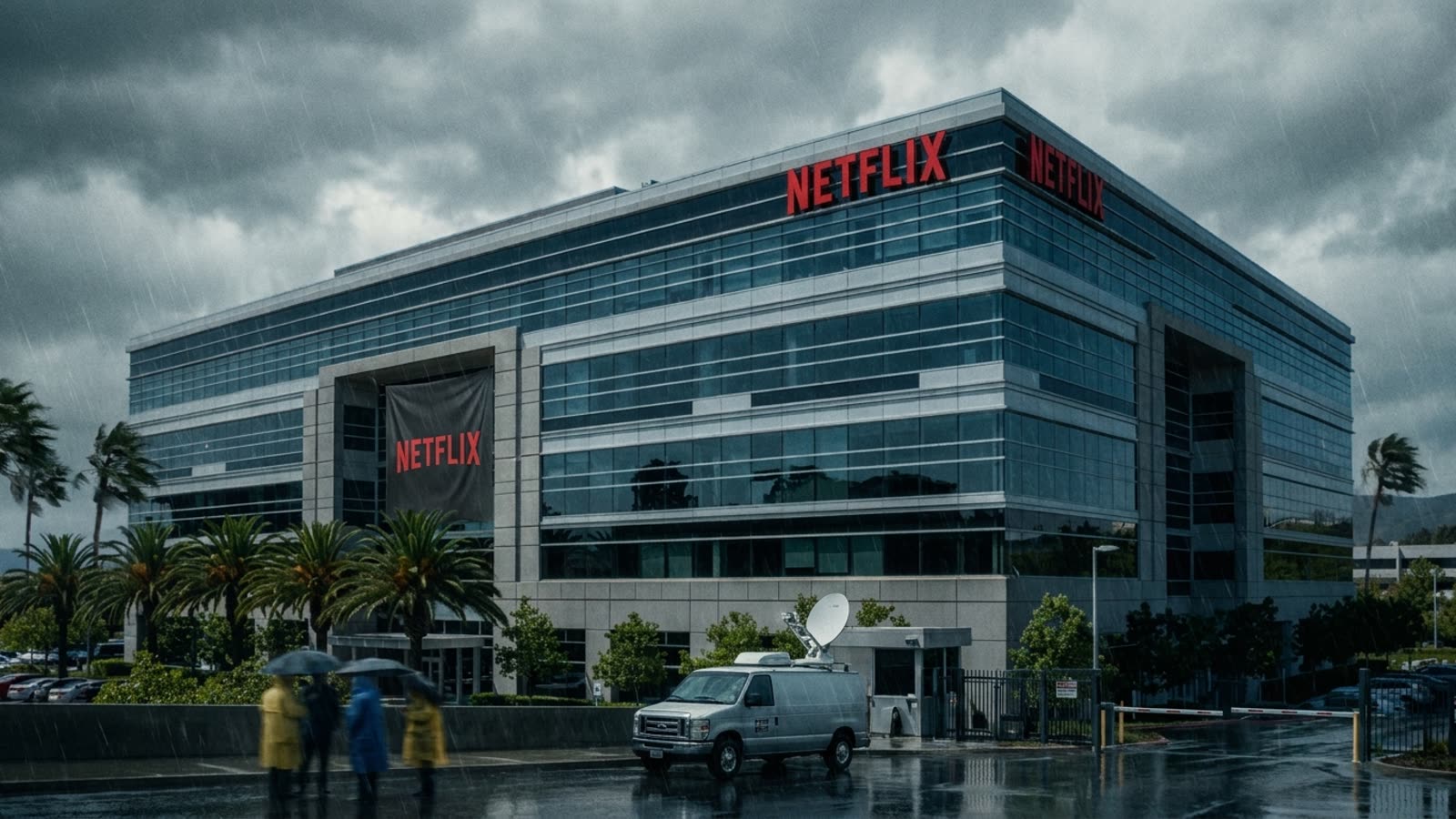
For years, Netflix executives insisted their business model was immune to the gravitational forces pulling down traditional media. This week, gravity won.
The streaming pioneer announced it would eliminate roughly 1,000 positions—approximately 8 percent of its workforce—while simultaneously parting ways with its chief content officer in what the company characterized as a strategic realignment. The timing is no coincidence: Netflix shares have shed more than half their value since the pandemic-era highs of 2021, and subscriber growth has flatlined in the mature markets that generate the bulk of its revenue. The layoffs and executive departure represent an implicit concession that the growth-at-all-costs era is over.
The engagement problem
What makes Netflix's predicament particularly uncomfortable is that its top-line numbers remain enviable by any traditional media standard. Revenue continues to climb, profits are healthy, and the company still commands more than 230 million paying households globally. But investors have learned to look past these figures to the metric that actually predicts future performance: time spent watching.
By Netflix's own internal measures, average viewing hours per subscriber have declined for six consecutive quarters. The company has blamed everything from password-sharing crackdowns (which boosted subscriber counts but brought in lighter users) to increased competition from ad-supported rivals. The simpler explanation is that Netflix's content strategy—volume over curation—has reached its natural limits. When every scroll through the interface feels like an archaeological dig, viewers eventually stop digging.
A content chief's quiet exit
The departure of the chief content officer, announced with the anodyne corporate language of "pursuing new opportunities," tells its own story. Under his tenure, Netflix leaned heavily into international productions and algorithmic commissioning, greenlit projects based on data patterns rather than creative conviction. The approach worked brilliantly for expanding the subscriber base in emerging markets. It worked less well for retaining the premium subscribers in North America and Western Europe who generate disproportionate revenue.
The streaming service now faces a classic innovator's dilemma: the strategies that built the business are not the strategies that will sustain it. Whoever replaces the departed executive will inherit a mandate to do more with less—fewer shows, higher quality, better retention—while navigating a creative community that has grown skeptical of Netflix's commitment to anything beyond the algorithm.
Our take
Netflix spent a decade telling Hollywood it had discovered a better way. The layoffs suggest the company is now discovering that media economics are stubborn things, resistant to disruption by spreadsheet. The streaming wars are entering their consolidation phase, and Netflix—for all its scale—is not exempt from the reckoning. The question is whether it can reinvent itself a second time, or whether it has already peaked.