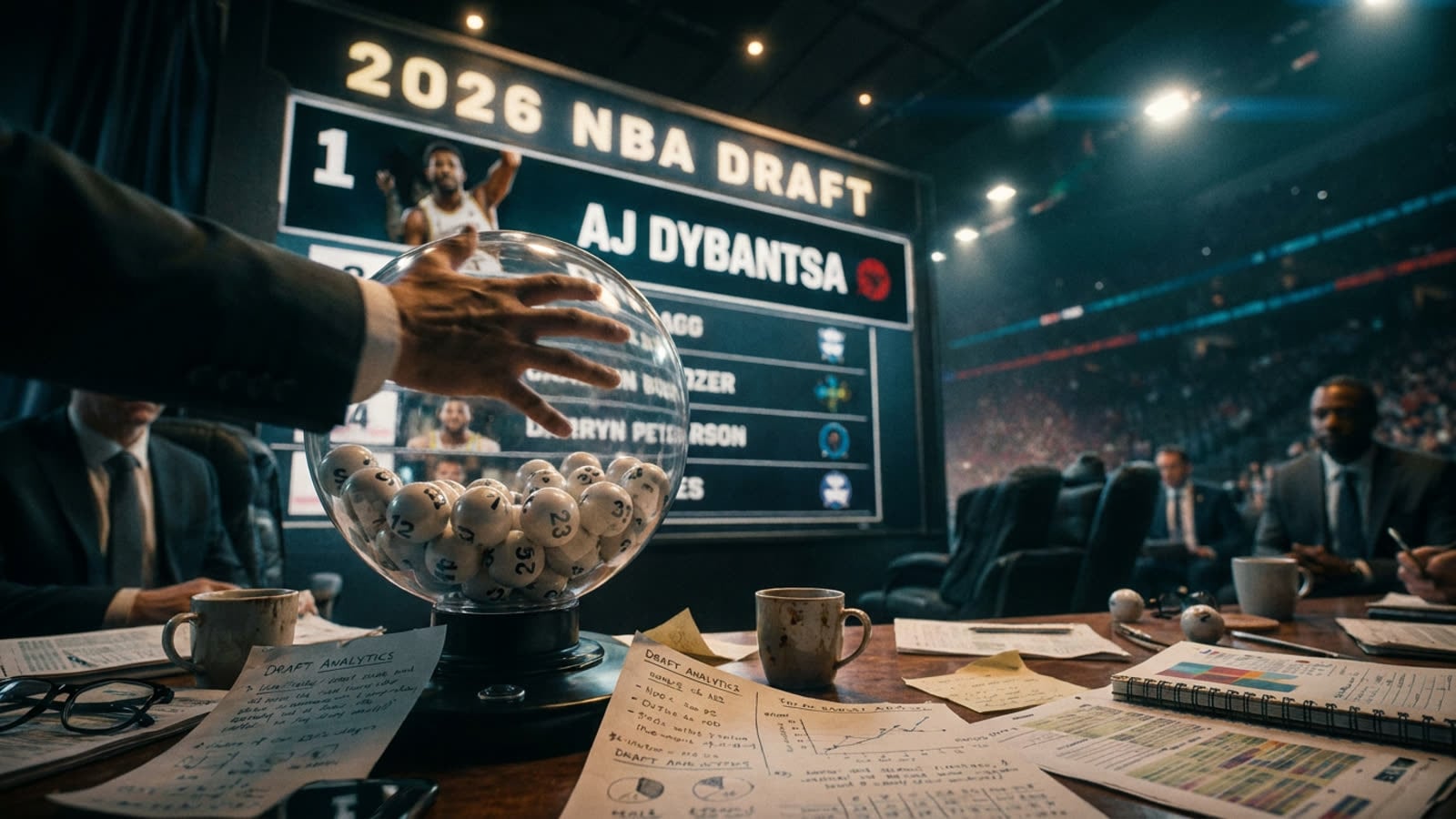
The surest sign of a weak draft class isn't the absence of talent—it's the absence of conviction. And by that measure, the 2026 NBA Draft, set for later this week, may be the most uncertain selection event in recent memory.
Betting markets, which typically coalesce around one or two consensus top picks by late June, remain unusually fractured. The spread between favorites is narrow, the odds volatile, and the smart money conspicuously quiet. This isn't a draft where anyone is confident they know who's going first overall. It's a draft where everyone is hedging.
The numbers tell the story
In a typical draft year, the presumptive first pick carries odds somewhere between -300 and -500 by the week of the event. This year, no prospect has broken -200 at any major sportsbook. The top three candidates are separated by margins that would be considered statistical noise in most predictive models. What this means in practical terms: the betting public genuinely doesn't know, and neither do the teams.
The volatility extends beyond the top pick. Mock drafts have become exercises in creative fiction, with the same prospects appearing anywhere from fourth to twelfth depending on which analyst you consult. Teams with lottery picks are reportedly fielding more trade inquiries than usual—not because their assets are coveted, but because everyone is trying to move around a board that nobody can read.
Why this draft is different
The 2026 class lacks a generational anchor. There's no Zion Williamson commanding attention, no Victor Wembanyama redefining what's possible. Instead, there's a cluster of prospects who project as solid starters with varying ceilings—the kind of players who could become All-Stars or could plateau as rotation pieces, depending on development and fit.
This ambiguity is catnip for contrarian bettors but poison for front offices trying to justify their selections to ownership. When the difference between the "best" and "fifth-best" player is essentially a coin flip, the pressure shifts from talent evaluation to organizational philosophy. Do you take the highest floor or the highest ceiling? The best fit or the best player available when "best" is a matter of interpretation?
Our take
Uncertainty in draft markets isn't inherently bad—it's honest. The NBA has spent years pretending that prospect evaluation is a science when it's closer to informed speculation. This year's betting lines are simply reflecting what scouts have always known: predicting professional success from collegiate or international performance is extraordinarily difficult, and some years the crystal ball is cloudier than others. The teams that thrive in this draft won't be the ones who "got it right" in some objective sense. They'll be the ones who understood what they were buying and built systems to develop it. The betting markets, for once, are telling the truth.