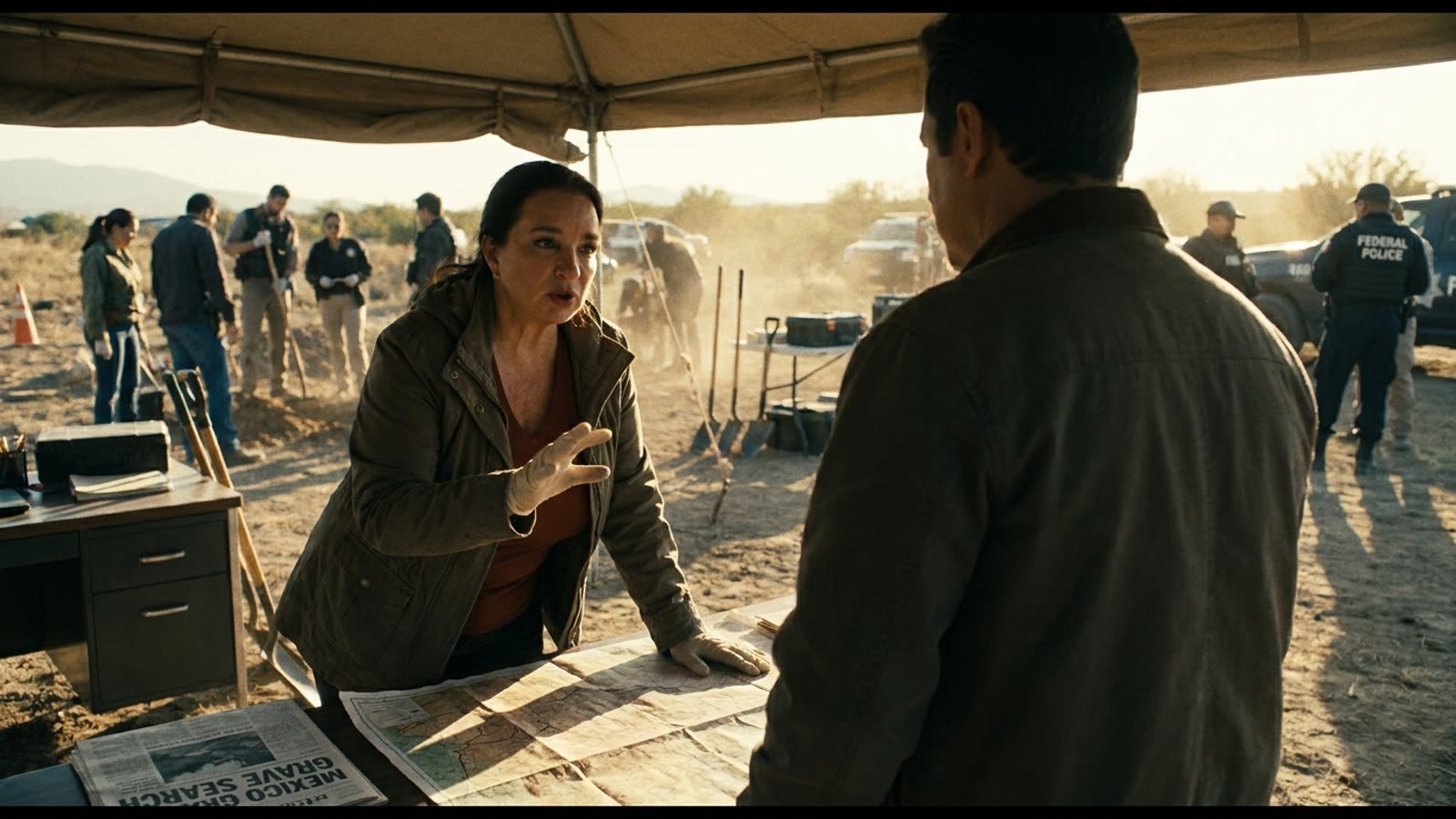
The search for Nancy Guthrie, the Texas woman who disappeared from Puerto Vallarta in 2009, has entered a grim new phase after Mexican authorities received an anonymous tip pointing to what the source described as a "grave" in a remote area outside the resort city.
Guthrie was 52 when she vanished during what was supposed to be a brief getaway. Her rental car was found abandoned. Her belongings remained in her hotel room. The case generated sporadic media attention over the years but never produced the sustained investigative pressure that might have cracked it open. Now, nearly two decades later, someone with apparent knowledge of her fate has decided — for reasons unknown — to break their silence.
Why anonymous tips matter in cold cases
Cold case investigators will tell you that the passage of time, while generally an enemy of justice, occasionally works in its favor. Relationships sour. Guilt festers. Deathbed confessions happen. The person who knew something in 2009 but stayed quiet — out of fear, loyalty, or complicity — may find themselves in very different circumstances in 2026. The anonymous tip mechanism exists precisely for this psychological reality: it offers a way to unburden oneself without immediate personal consequence.
The specificity of this tip — reportedly including geographic coordinates and the word "grave" — suggests this is not the work of an attention-seeker or psychic. Mexican authorities have committed resources to the search, which indicates they find the information credible enough to act on.
The particular tragedy of Americans abroad
Guthrie's case fits a disturbing pattern of American tourists who vanish in Mexico and whose families find themselves navigating a binational bureaucratic nightmare. Jurisdiction is murky. Communication is difficult. The incentive structures for local law enforcement rarely align with the interests of a missing foreigner's family. Guthrie's relatives have spent years lobbying for attention, hiring private investigators, and making trips to Puerto Vallarta themselves.
The current search, whatever it yields, represents a validation of that persistence. Someone, somewhere, knew something all along. The question now is whether the physical evidence — if it exists — has survived seventeen years of tropical climate and whatever efforts may have been made to conceal it.
Our take
There is something almost unbearably poignant about a cold case that goes hot again after so long. The Guthrie family has spent nearly two decades in a particular kind of limbo — unable to grieve properly, unable to move on, unable to stop hoping. An anonymous tip about a grave is, in one sense, the worst possible news. In another sense, it may be the first real news they have received since 2009. The truth, however terrible, is still preferable to the void.