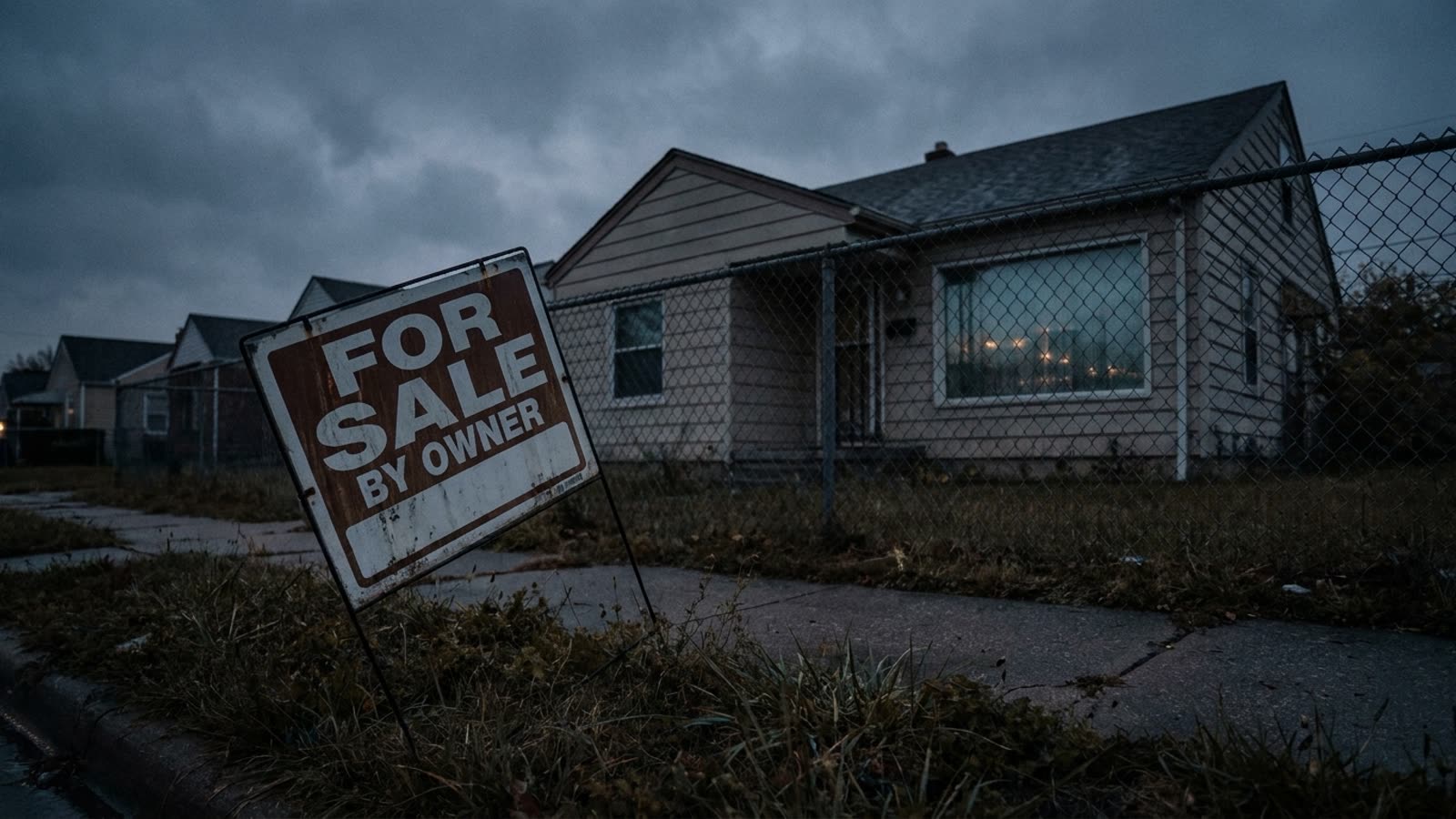
The American housing market has entered a state of suspended animation, and the culprit is a number: 7.4 percent. That is where the average 30-year fixed-rate mortgage now sits, the highest level since the dark days of late 2023, and it is turning the country's largest asset class into something resembling a hostage situation. Sellers refuse to list because they are locked into sub-4-percent loans from the pandemic era. Buyers refuse to buy because the math no longer works. And builders, caught in the middle, are watching their order books thin while land costs remain stubbornly elevated.
The proximate cause is familiar: inflation that refuses to die. September's wholesale price data, released this week, showed producer prices surging beyond expectations, reviving bets that the Federal Reserve will hold rates higher for longer—or, in the nightmare scenario whispered on trading floors, hike again. Treasury yields have responded accordingly, and mortgage rates, which track the 10-year, have followed them up the escalator.
The lock-in effect becomes a trap
The phenomenon economists call "mortgage lock-in" has now persisted for nearly three years. Roughly 80 percent of outstanding mortgages carry rates below 5 percent, and the gap between those loans and today's market rate is the widest on record. For a homeowner sitting on a 3.2 percent mortgage from 2021, selling and buying an equivalent home at current rates would mean adding hundreds of dollars to their monthly payment—a trade almost nobody is willing to make.
The result is an inventory crisis that defies normal cyclical logic. Existing-home sales have collapsed to levels not seen since the early 1990s, adjusted for population. New listings are scarce. And the homes that do come to market tend to be distressed sales, estate liquidations, or relocations driven by job changes that leave sellers no choice. The healthy churn that once defined American mobility has ground to a halt.
A K-shaped market hardens into place
What remains is a bifurcated landscape. Cash buyers—often investors, downsizing boomers, or the simply wealthy—continue to transact, albeit at reduced volumes. For everyone else, the market is effectively closed. First-time buyers, the traditional engine of housing demand, have been priced out in most metropolitan areas. The median home now requires roughly 40 percent of median household income to service, a ratio that would have been considered crisis territory a generation ago.
The political implications are obvious. Housing affordability polls as a top-three issue among likely voters, and with midterms three weeks away, neither party has a credible solution. Republicans blame Biden-era spending for stoking inflation; Democrats point to zoning restrictions and corporate landlords. Both are partially correct, and neither diagnosis leads to a policy that can move rates down by next month.
Our take
The uncomfortable truth is that 7.4 percent is not historically aberrant—it is roughly the 50-year average. What is aberrant is the decade of near-zero rates that preceded it, which inflated home prices to levels that now require near-zero rates to remain affordable. The Fed cannot cut its way out of this without reigniting inflation, and Congress cannot build its way out without a zoning revolution that no state legislature seems willing to undertake. The American housing market is not broken; it is simply adjusting to a world where money costs something again. That adjustment will be measured in years, not quarters, and the political class has no appetite to say so out loud.