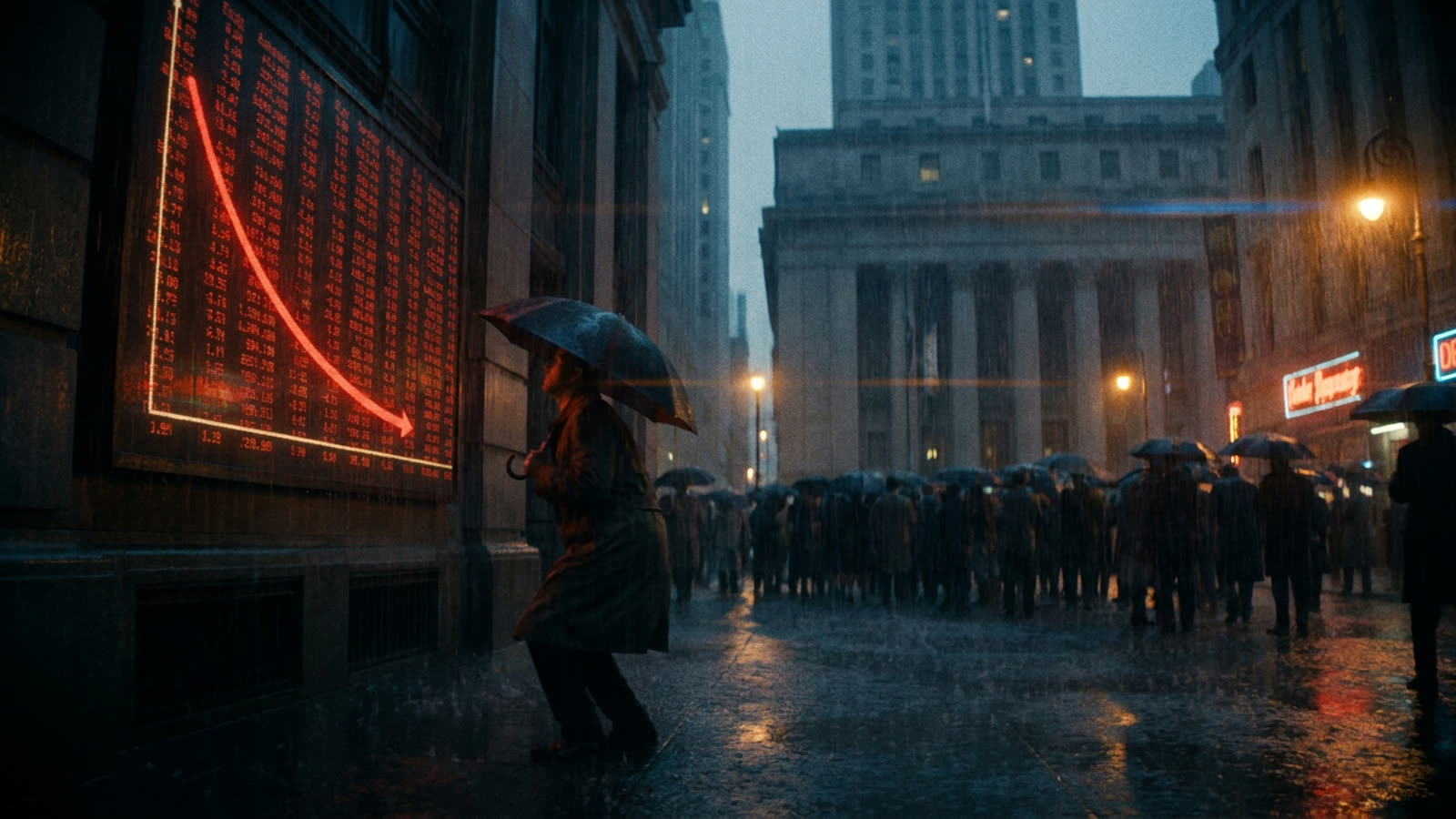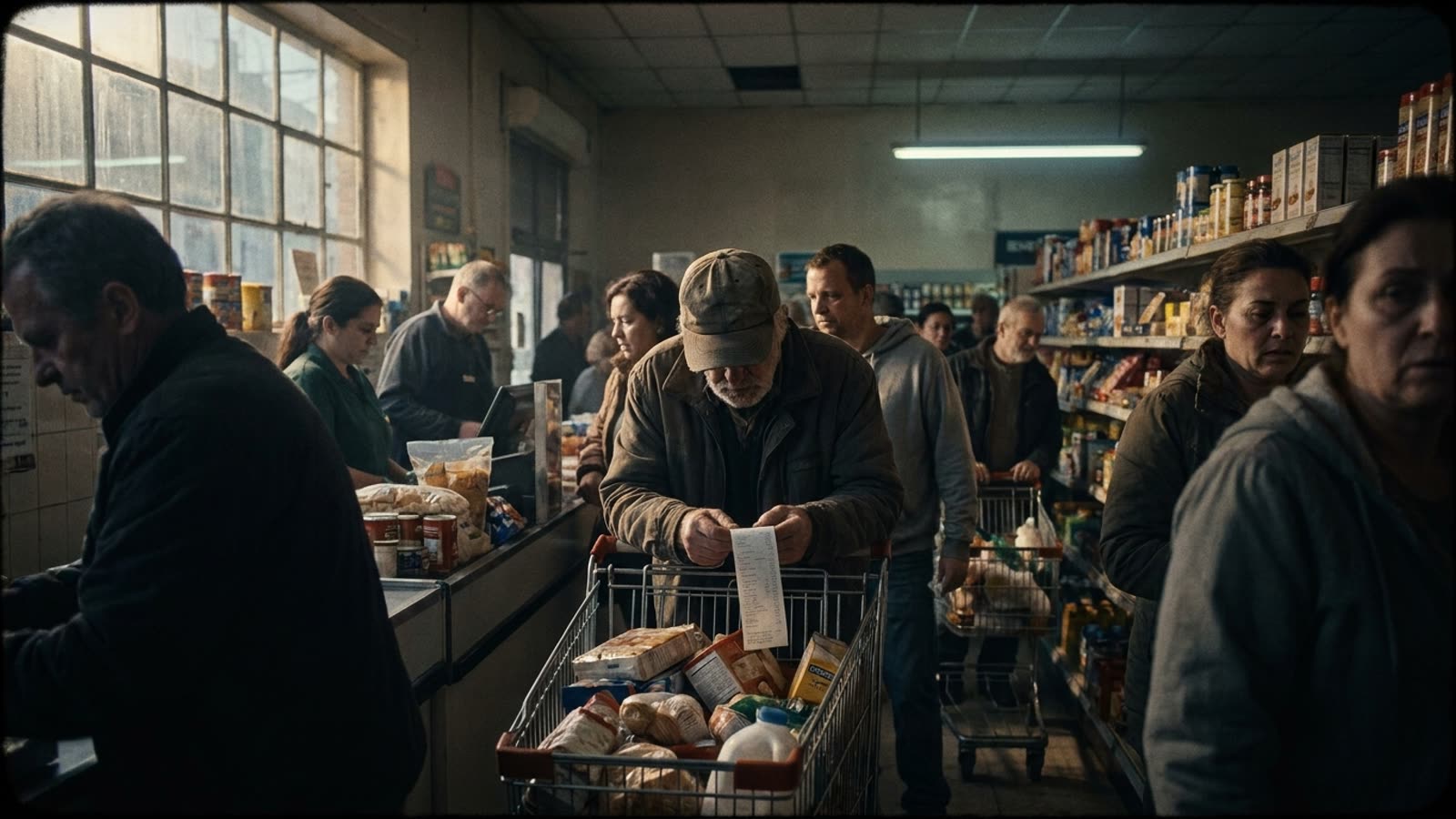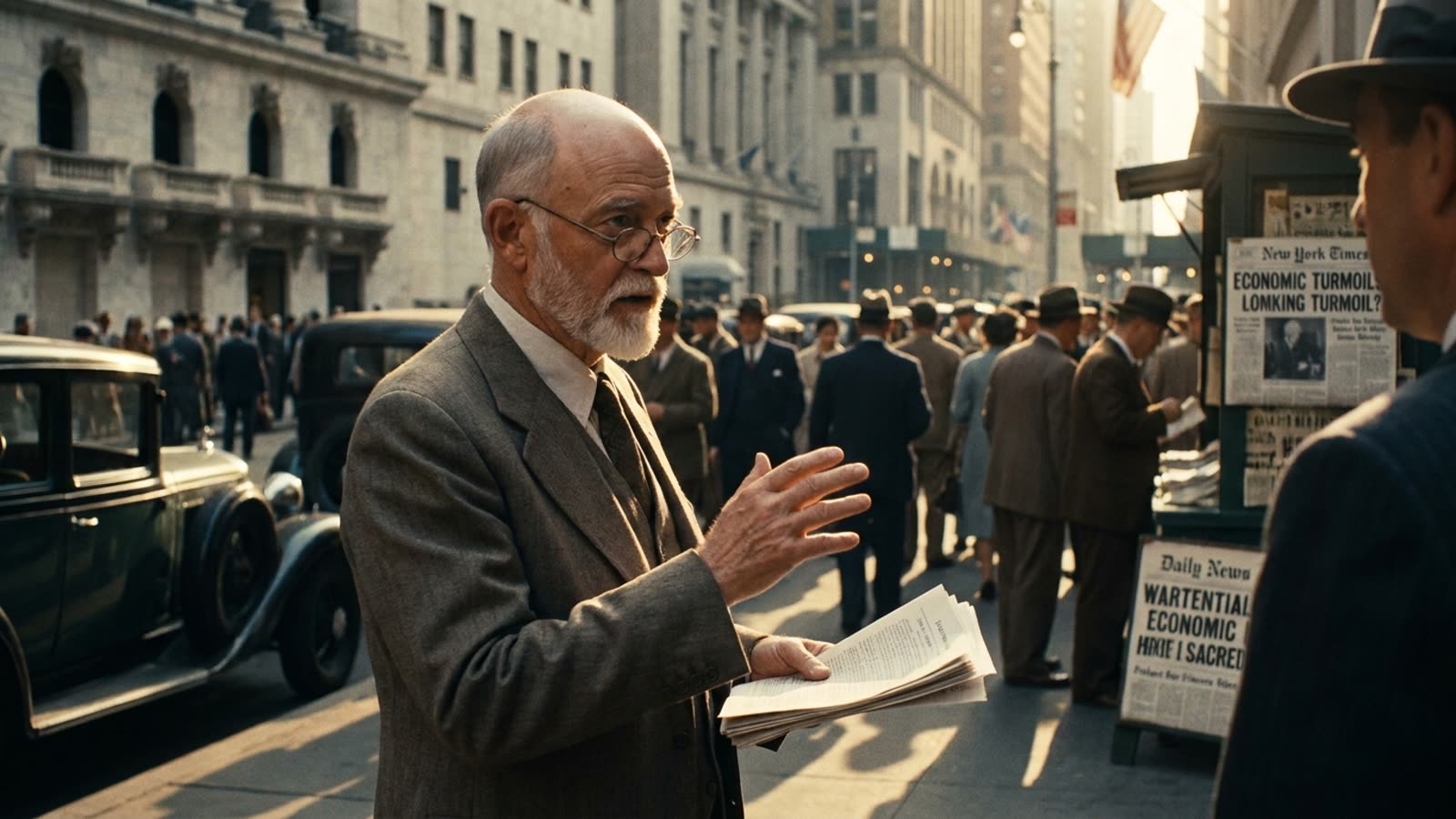
Economists have a term for the disconnect between what the numbers say and what your bank balance screams at you: the money illusion. Coined by Irving Fisher in the 1920s, it describes our stubborn tendency to think in nominal rather than real terms—to feel richer when our salary rises by three percent even if prices rose by four. The illusion cuts both ways, and understanding it explains much of the frustration that pervades conversations about the economy even when headline figures look benign.
The concept is deceptively simple. If you earned fifty thousand dollars last year and fifty-two thousand this year, your brain registers a win. But if the cost of your regular expenses climbed by six percent, you've actually lost ground. Most people know this intellectually. Almost nobody feels it intuitively. We anchor to the number on the paycheck, not the purchasing power it represents.
Why the Gap Persists
Part of the problem is measurement. Official inflation indices track a vast basket of goods and services, weighted to reflect average spending patterns across millions of households. But no individual household is average. If you rent in a city where housing costs surged while national shelter inflation stayed moderate, your personal inflation rate diverges sharply from the official figure. If you have young children, you're disproportionately exposed to childcare costs. If you're retired and spend heavily on healthcare, the consumer price index may understate your reality by a meaningful margin.
Then there's frequency bias. We notice the prices we encounter repeatedly—fuel, coffee, eggs—far more than the prices of things we buy rarely. A television that costs thirty percent less than it did a decade ago doesn't register because you bought one television in that span. The carton of eggs you buy weekly, however, becomes a running tally of grievance.
The Psychological Weight of Losses
Behavioral economics adds another layer. Humans feel losses roughly twice as intensely as equivalent gains, a phenomenon Daniel Kahneman and Amos Tversky documented extensively. When prices rise, we experience each increase as a small loss. When prices fall or wages rise, the corresponding gain feels muted. Over time, this asymmetry accumulates into a pervasive sense that things are getting worse even when aggregate data suggests stability or modest improvement.
The money illusion also distorts policy debates. Voters punish governments for inflation they can see and touch, even if real wages are rising. Politicians respond with measures that address the perception rather than the underlying mechanics. The result is often policy that feels responsive but accomplishes little, or worse, policy that exacerbates the problem it claims to solve.
Living With the Illusion
Fisher believed education could cure the money illusion, that if people simply understood real versus nominal values, they'd make better decisions. A century of evidence suggests he was optimistic. The illusion persists because it's rooted in how our brains process information, not in ignorance. We can know the math and still feel the pain.
The practical response is not to fight the illusion but to account for it. Track your own spending against your own income, not against national averages. When evaluating a raise or a new job, calculate the real change in purchasing power, not just the nominal bump. And when the official data says inflation is under control but your grocery bill says otherwise, recognize that both can be true simultaneously—for different definitions of "you."
Our take
The money illusion isn't a bug in human cognition; it's a feature of how we navigate a world denominated in arbitrary units. Economists who dismiss public frustration as innumeracy miss the point. The frustration is rational, even if the math isn't. Until policymakers and commentators learn to speak to lived experience rather than aggregate statistics, the gap between what the data says and what people feel will remain a source of political volatility and personal anxiety. Fisher identified the problem a hundred years ago. We're still waiting for a solution.