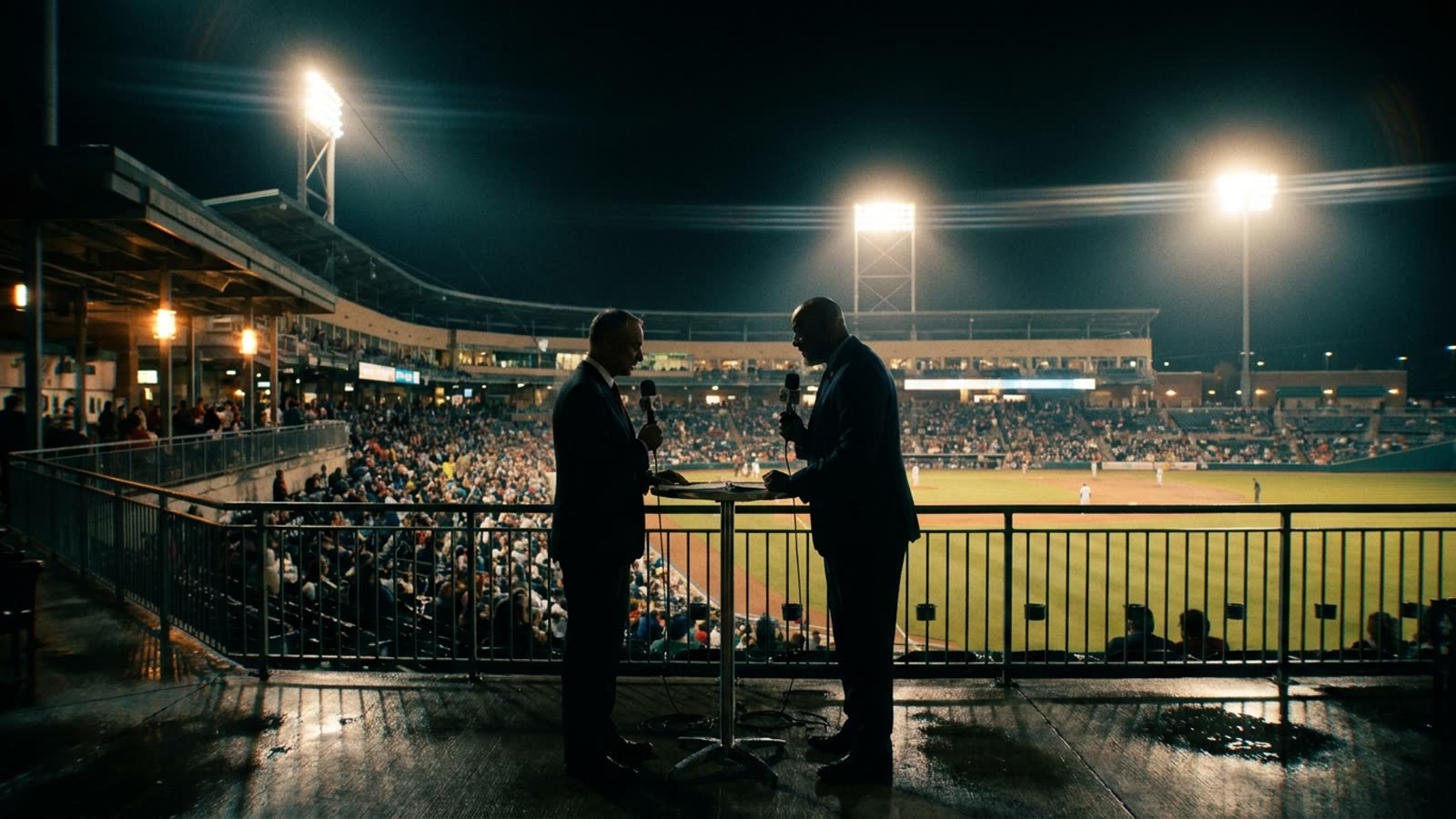
Major League Baseball's labor peace was always a ceasefire, not a settlement. The five-year collective bargaining agreement that ended the 2021-22 lockout expires in December, and both sides are already positioning for a fight that could dwarf the 99-day work stoppage that delayed Opening Day four years ago.
The core dispute hasn't changed: players believe they're capturing a shrinking share of a growing pie, while owners insist competitive balance requires cost discipline. What's different now is the data. Player compensation as a percentage of league revenue has fallen from roughly 56% at its peak to somewhere in the low-to-mid 40s, according to union estimates that ownership disputes but hasn't convincingly rebutted.
The salary floor nobody wants to build
The players' union has made a minimum team payroll its flagship demand—a floor that would force bottom-feeders to spend rather than pocket revenue-sharing checks. Owners counter that a floor without a corresponding hard cap would squeeze mid-market teams from both directions. The current competitive balance tax, which functions as a soft cap, punishes spending above roughly $240 million but does nothing to teams that field $60 million rosters while cashing nine-figure media deals.
Small-market franchises have become remarkably profitable precisely because they don't try to win. The Oakland Athletics' relocation saga and the Tampa Bay Rays' perpetual stadium limbo illustrate how ownership groups can extract value from communities while minimizing on-field investment. A salary floor would break that model—which is exactly why it faces such resistance.
Service time and the prospect pipeline
The other flashpoint is service-time manipulation, the practice of holding elite prospects in the minors for a few extra weeks to delay free agency by a full year. The 2022 CBA introduced modest reforms, but the union argues they haven't changed behavior. Teams still game the system, and young stars still lose earning years during their physical primes.
Ownership's counterargument—that earlier promotion would accelerate tanking by teams racing to accumulate draft picks—has some merit, but it's also self-serving. The draft and international signing systems are themselves artifacts of labor negotiations designed to suppress wages for amateur talent.
Our take
Baseball's economic model is a monument to collective action by billionaires and collective inaction by everyone else. The sport generates more than $11 billion annually, yet its labor relations remain stuck in the 1990s, when owners successfully broke the union's strike and extracted a luxury-tax regime that has calcified into orthodoxy. A salary floor is overdue, and so is an honest accounting of where the money actually goes. The players will strike if they have to. The question is whether fans, already drifting toward faster-paced entertainment, will bother coming back.