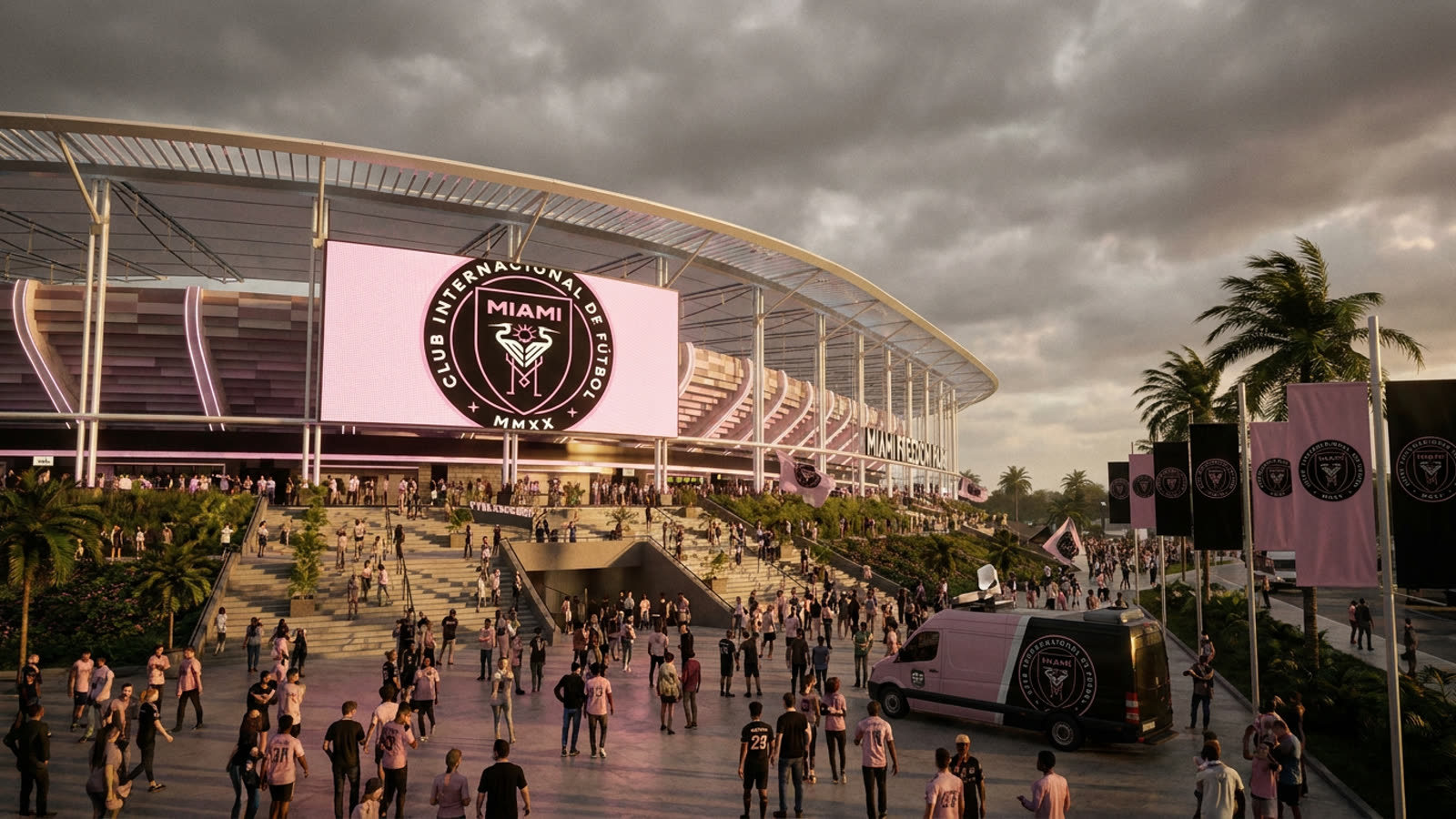
The final whistle in Fort Lauderdale on Saturday night marked another routine victory for Inter Miami, complete with a record-breaking first half that would normally dominate headlines. Instead, the conversation centered on what everyone already knows: Lionel Messi's American chapter is closing, and Major League Soccer must now prove it can survive without the man who made it relevant.
Messi's departure—widely expected by summer's end—represents the most significant inflection point in MLS history since David Beckham's arrival in 2007. But where Beckham's Galaxy tenure was a proof-of-concept, Messi's Miami stint was supposed to be graduation. The league bet that the greatest player of his generation could permanently elevate American soccer's commercial standing. The returns have been spectacular: attendance records shattered, broadcast deals renegotiated, and a generation of American fans who now understand what world-class football actually looks like.
The economics of stardom
Inter Miami's valuation has roughly tripled since Messi's 2023 arrival, and the league's Apple TV deal—worth a reported $2.5 billion over a decade—was negotiated with Messi as the centerpiece attraction. Sponsorship revenue across MLS clubs has surged, with Miami alone commanding rates that rival mid-table Premier League sides. The question is whether these gains are structural or merely borrowed against Messi's presence.
History suggests caution. The Beckham-era bump proved temporary; MLS attendance and television ratings stagnated for years after his departure. The league's subsequent strategy—signing aging European stars past their prime—produced diminishing returns and reinforced perceptions of MLS as a retirement league rather than a destination.
A different departure
Messi's exit differs in one crucial respect: he leaves behind infrastructure that Beckham never built. Miami's academy has become one of the continent's most competitive, and the club's ownership—which includes Beckham himself—has invested in scouting networks across South America. The league has also matured; clubs like LAFC, Atlanta United, and Cincinnati have demonstrated that sustainable success is possible without a singular galáctico.
Yet the broadcast numbers tell a more complicated story. Miami's nationally televised matches draw roughly three times the audience of a typical MLS game. When Messi doesn't play, ratings drop by nearly half. The league has not yet solved its fundamental problem: outside of a handful of markets, American soccer remains a niche product competing against the NFL, NBA, and increasingly, European leagues available on streaming platforms.
Our take
MLS made the right bet on Messi, and it would be churlish to pretend otherwise. The league is measurably larger, richer, and more credible than it was three years ago. But the true test of any investment is what remains when the asset is gone. American soccer's long-term viability depends not on finding the next Messi—there isn't one—but on convincing fans that the product is worth watching regardless of who's on the pitch. That's a harder sell, and one the league has never successfully made.