The longest theatrical drought in Star Wars history ends next week, and the franchise is greeting audiences with the cinematic equivalent of a shrug. Press screenings for The Mandalorian and Grogu have yielded the kind of bifurcated response that has become Disney's signature: some reviewers are calling it a perfect summer movie, others are reaching for phrases like "one of the weakest Star Wars movies" and "snooze fest." For a studio that bet its streaming future on Baby Yoda's merchandising appeal, the lukewarm consensus suggests that translating small-screen charm to IMAX proportions is harder than it looks.
The California homecoming
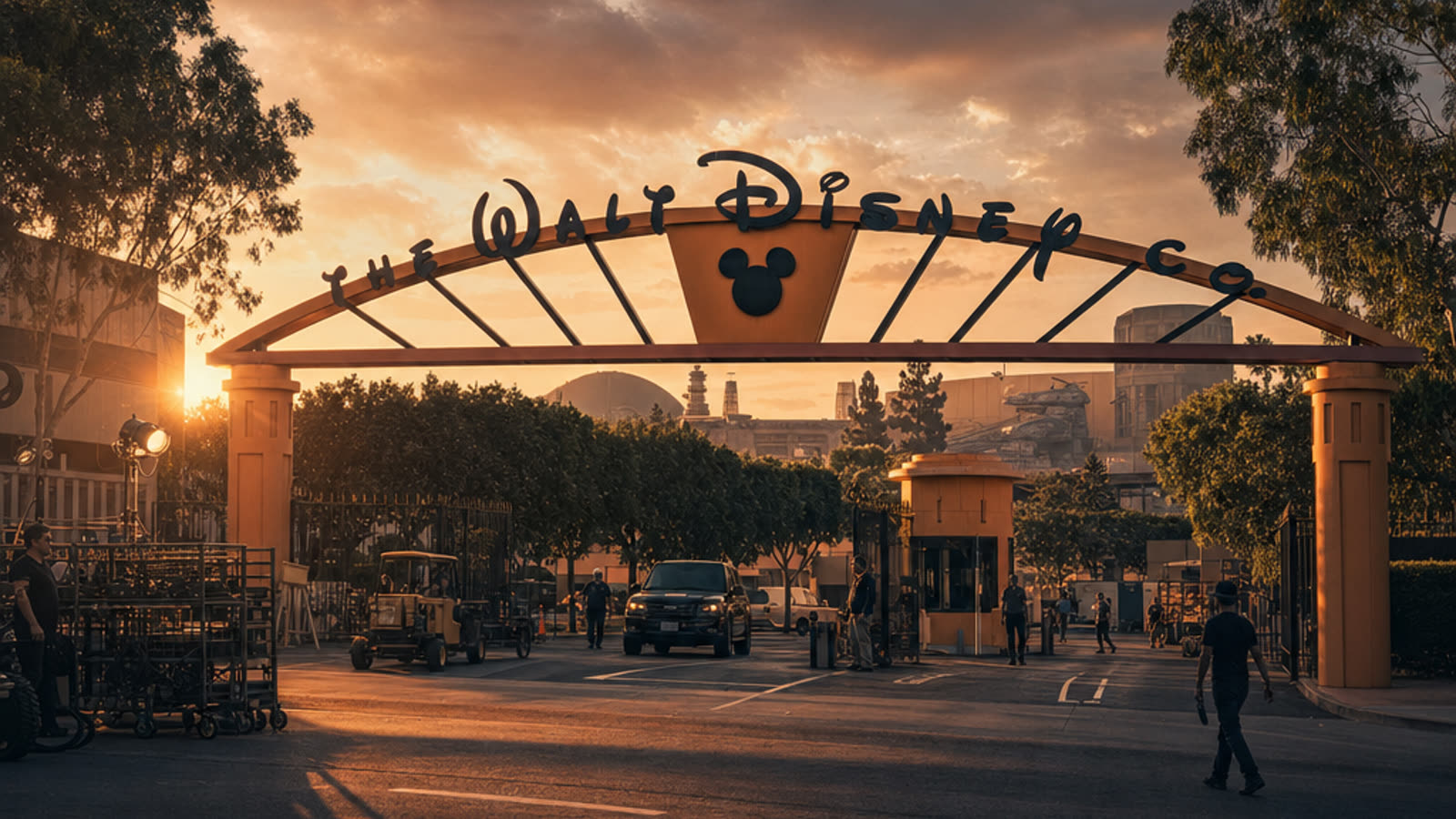
Director Jon Favreau made a point of thanking the California Film Commission at the film's premiere, and for good reason: The Mandalorian and Grogu is the first Star Wars feature shot entirely in Los Angeles, a fact made possible by the state's expanded tax incentives. After nearly five decades of Tunisian deserts, British soundstages, and Atlanta warehouses, the franchise has finally come home to Hollywood—literally. Whether that geographic shift registers on screen is another matter. The Volume, Favreau's LED-wall technology that defined the show's visual language, remains the dominant aesthetic. Critics who praised the series for its intimate, Western-inflected storytelling are now questioning whether that approach scales to a two-hour theatrical experience.
The streaming-to-cinema problem
Disney's strategy of mining its streaming hits for theatrical tentpoles has produced mixed results. The company clearly hopes that three seasons of built-in audience affection will translate to opening-weekend box office, but the early reviews suggest a fundamental tension: television pacing and theatrical pacing are not the same thing. Several critics noted that the film feels episodic, a collection of set pieces rather than a propulsive narrative. Others praised precisely that quality, arguing that Star Wars works best as a series of adventures rather than a mythology-heavy epic. The divide mirrors the broader identity crisis that has plagued the franchise since the sequel trilogy concluded in 2019.
What Grogu means now
The character once known as Baby Yoda became a cultural phenomenon in 2019, spawning memes, merchandise, and a genuine emotional connection that the sequel trilogy's new characters never achieved. But cultural moments have shelf lives. Grogu plushies no longer sell out in hours, and the character's appeal—wordless, cute, vaguely mystical—may not sustain a feature film's dramatic weight. Early reactions suggest the film leans heavily on the Din Djarin-Grogu relationship without deepening it meaningfully. For audiences who haven't kept up with the Disney+ series, the emotional stakes may feel unearned.
Our take
Star Wars has always been a franchise at war with itself—between nostalgia and novelty, between fan service and artistic ambition, between the demands of quarterly earnings calls and the patience required to build something lasting. The Mandalorian and Grogu appears to be another chapter in that ongoing negotiation, competent enough to satisfy the faithful, insufficient to convert the skeptical. The real question isn't whether the film will make money—it will—but whether Disney has any idea what a Star Wars movie should actually be in 2026. Seven years of silence, and this is the answer: a television show projected onto a bigger screen, hoping that size alone constitutes an event.