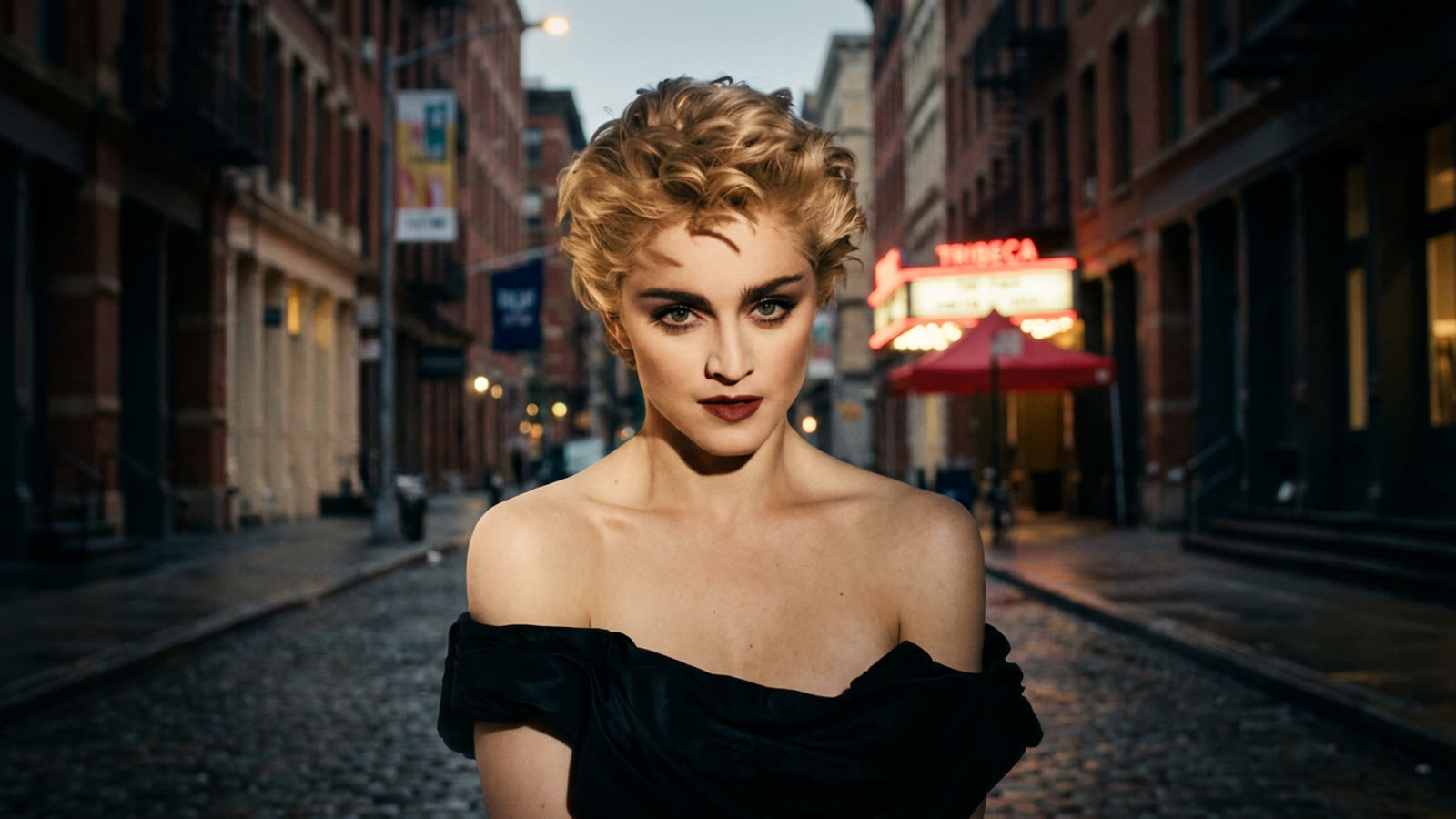
Three decades after she turned music videos into an art form worthy of museum retrospectives, Madonna is doing what she does best: arriving at a cultural moment she anticipated long before anyone else.
The announcement that she will world-premiere Confessions II, a visual film built around the first six tracks of her forthcoming studio album, at the 2026 Tribeca Festival is more than a promotional gambit. It is a statement of authorship. In an industry where Beyoncé's Lemonade and Taylor Swift's Eras Tour film have normalized the visual album as prestige product, Madonna is reminding everyone who wrote the playbook.
The format she pioneered, reclaimed
Visual albums are now standard practice for artists seeking critical legitimacy alongside commercial success. But when Madonna released Blond Ambition tour footage and the Erotica-era Sex book in the early 1990s, she was pilloried for conflating pop music with high art. The Tribeca premiere—complete with a post-screening conversation featuring Jimmy Fallon and directors David Toro and Solomon Chase—positions her not as a legacy act chasing trends but as an originator collecting her due.
The choice of venue matters. Tribeca has spent two decades cultivating a reputation as the festival for work that blurs boundaries between film, music, and immersive media. For Madonna, it offers something Cannes or Venice cannot: a New York homecoming on turf associated with downtown credibility rather than red-carpet pageantry.
Why now, and why this album
Confessions on a Dance Floor, released in 2005, remains her most critically acclaimed late-career work, a seamless disco-house odyssey that proved she could still command a zeitgeist. A sequel album carries obvious risk—nostalgia plays are rarely kind to artists who once defined the future. But by framing the release as a cinematic event rather than a conventional rollout, Madonna sidesteps the streaming-era metrics game entirely. The story becomes the premiere, not the first-week numbers.
At sixty-seven, she is also navigating a music industry that has grown increasingly uncomfortable with aging female superstars. The Tribeca stage allows her to control the narrative: this is an artist presenting a finished work on her terms, not a legacy act submitting to algorithmic judgment.
Our take
Madonna has spent forty years forcing the culture to accommodate her. The Tribeca premiere is the latest iteration of that project—a refusal to cede the visual-album territory she pioneered to successors who learned from her example. Whether Confessions II justifies the framing remains to be seen, but the positioning is flawless. She is not asking for a seat at the table; she is reminding everyone who built it.