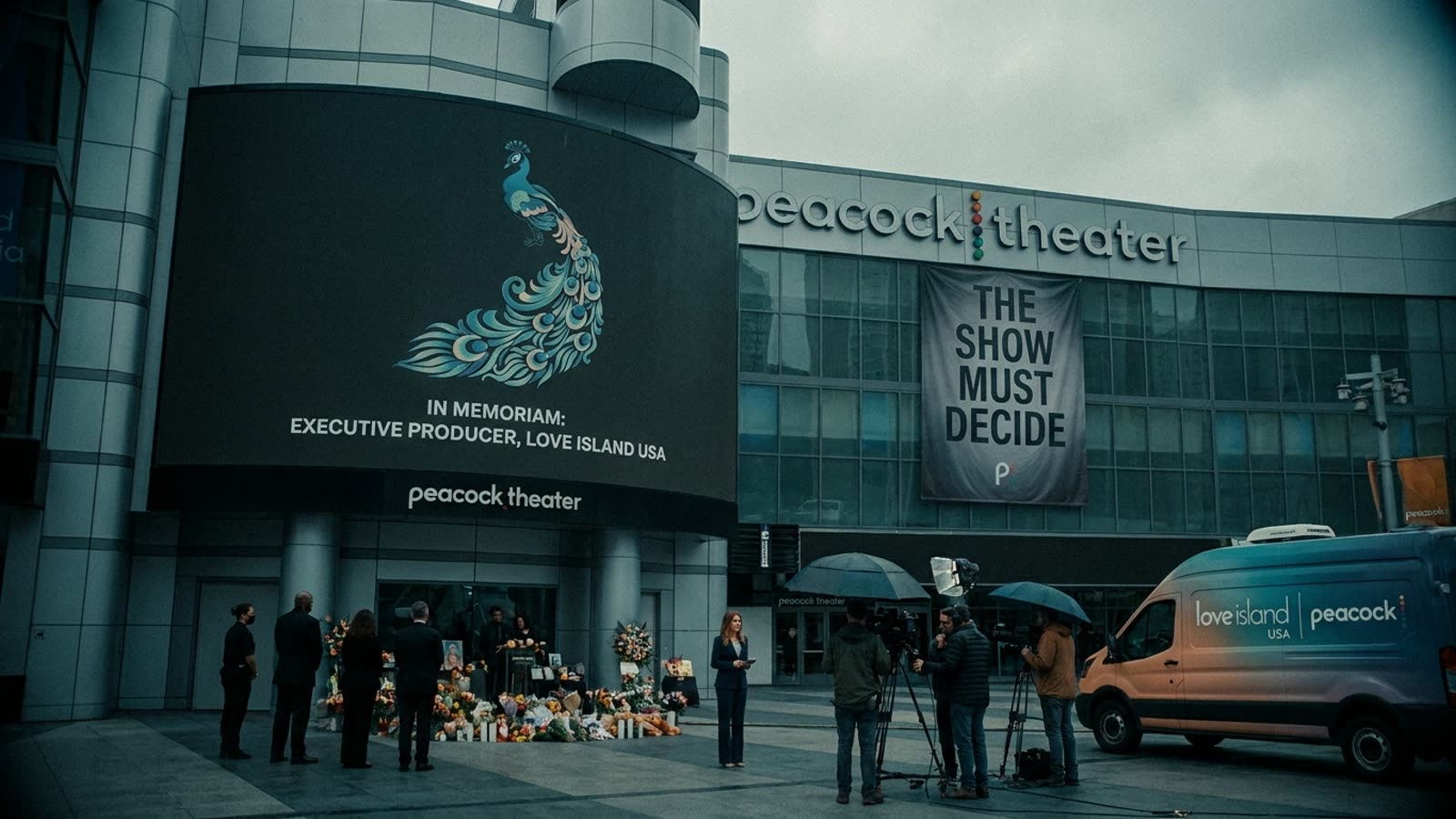
Reality television sells the fantasy of paradise, but the machinery behind it operates under conditions that are anything but leisurely. The death of an executive producer during the filming of Love Island USA's eighth season in Fiji has cast a pall over one of Peacock's flagship franchises and forced an industry-wide reckoning with production practices that prioritize content velocity over crew welfare.
The producer, whose identity has not been publicly confirmed pending family notification, died on location during active production. Details remain sparse — neither NBCUniversal nor the production company ITV Entertainment has issued a substantive statement beyond confirming the death and expressing condolences. What is known is that Love Island USA shoots on a punishing schedule, with episodes turning around in near-real time to maintain the live-ish quality that distinguishes the format from its scripted competitors.
The economics of always-on television
Love Island's business model depends on volume. The American version, like its British parent, produces episodes at a pace that would be unthinkable for traditional television — sometimes daily during peak runs. This creates an assembly-line dynamic where producers, editors, and crew work in overlapping shifts, often in remote locations with limited medical infrastructure. Fiji, while visually stunning, is not a place where you want to have a medical emergency. The nearest major hospital is in Suva, and airlift logistics can be complicated by weather and geography.
The streaming wars have only intensified these pressures. Peacock needs Love Island USA to perform; it is one of the few unscripted properties that generates genuine social-media conversation and drives subscriber acquisition during summer months. That commercial imperative trickles down to production teams who are expected to deliver more content, faster, with budgets that have not kept pace with ambition.
A pattern, not an anomaly
This is not the first time a reality production has been marred by tragedy. The genre has a grim ledger: contestants who have died by suicide after appearing on shows, crew members injured in stunts gone wrong, and a general culture of NDAs and silence that makes accountability difficult. What distinguishes this case is the seniority of the victim — executive producers are not entry-level workers who can be dismissed as having accepted known risks. They are the people who set the pace, which suggests the pace itself may be the problem.
Unions representing below-the-line workers have long complained about reality television's exemptions from standard labor protections. Many reality productions are classified in ways that allow them to skirt overtime rules and safety protocols that apply to scripted shows. The International Alliance of Theatrical Stage Employees has pushed for reform, but the fragmented nature of unscripted production — often involving multiple subcontractors across jurisdictions — makes enforcement difficult.
Our take
Love Island USA will almost certainly continue. The show is too valuable to Peacock's summer lineup to be shelved, and the entertainment industry has a long history of mourning briefly before returning to business. But this death should prompt more than a moment of silence. The reality-television industrial complex has grown too large and too lucrative to operate like a scrappy startup where burnout is a badge of honor. Someone died making a dating show. That sentence should be absurd. The fact that it is not tells you everything about what the genre has become.