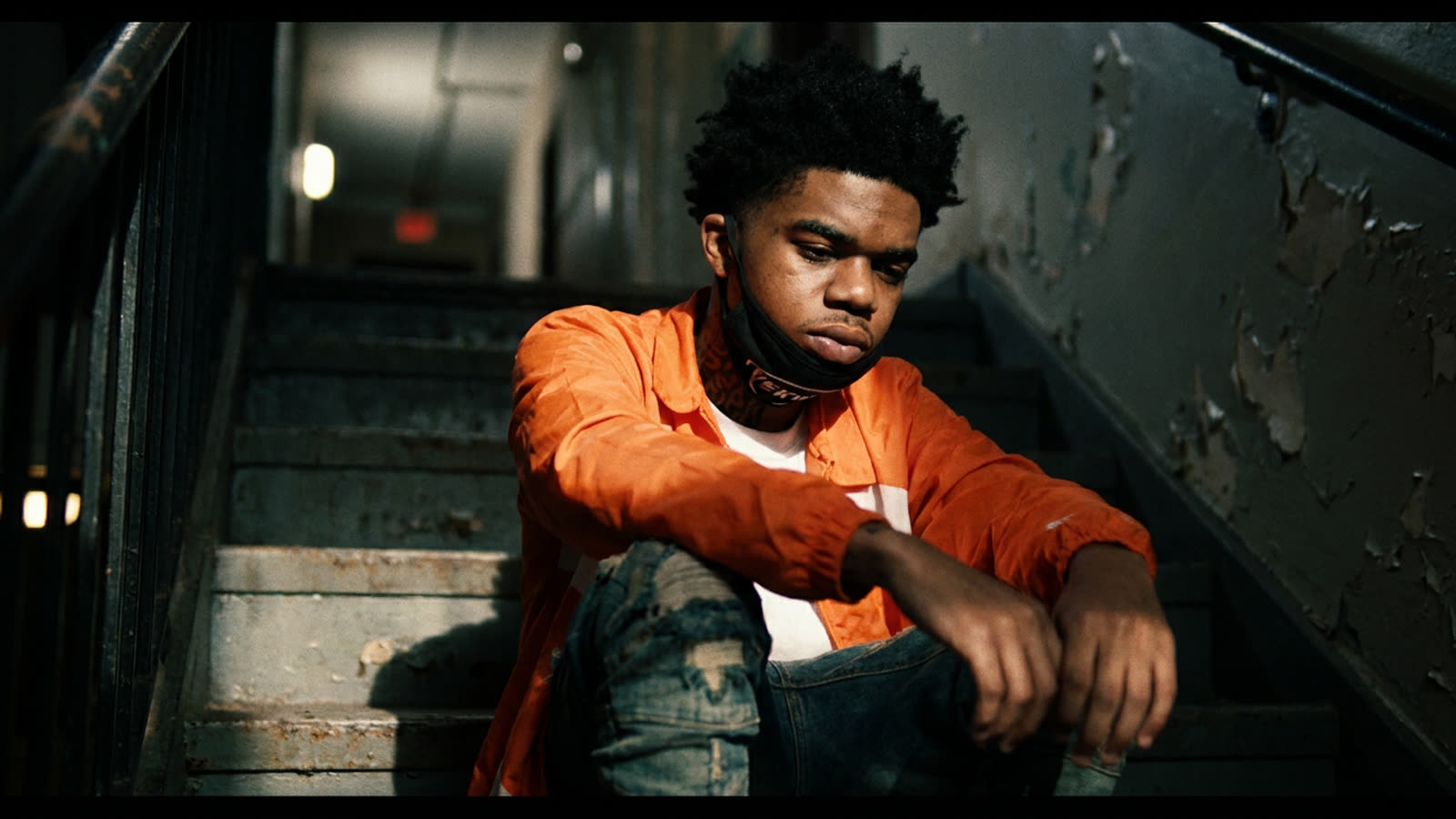
Another Jacksonville rapper has been reduced to paperwork. The coroner's report on Lil Poppa, born Javon Bennett, now circulates through official channels, adding clinical detail to a death that shocked Florida's hip-hop community earlier this year. The document confirms what everyone already knew: a young man with genuine talent and commercial momentum was killed before he could fully escape the gravitational pull of his environment.
Lil Poppa was not a marginal figure. His 2020 track "For the Night" featuring Lil Durk demonstrated real crossover potential, and his mixtapes had accumulated tens of millions of streams. He possessed that rare combination of melodic sensibility and street credibility that labels spend years trying to manufacture. At 24, he was entering what should have been his prime earning years.
The Jacksonville curse
The city's rap scene has become synonymous with a particular kind of tragedy. Foolio, shot dead in Tampa last year. SpotemGottem, surviving multiple attempts on his life. The list extends backward and, one suspects, will extend forward. Jacksonville drill emerged as a distinct subgenre precisely because of its unflinching documentation of local beefs and block-level warfare. The music's authenticity is also its curse—the feuds it chronicles are real, and the consequences are fatal.
What separates Jacksonville from Chicago or Atlanta is scale. The scene is small enough that everyone knows everyone, that old neighborhood conflicts cannot be escaped through fame, that success often just means you become a more valuable target. Record deals do not confer immunity. Streaming royalties do not buy peace.
The industry's complicity
Labels have long profited from proximity to danger. They sign artists whose credibility derives from genuine criminal exposure, promote beefs that drive engagement, and then express shock when the content becomes prophecy. The calculation is straightforward: controversy sells, and dead artists' catalogs often perform better than living ones. There is no incentive structure that rewards keeping young rappers alive.
This is not to absolve the artists themselves, many of whom actively cultivate the personas that endanger them. But the ecosystem rewards escalation. A diss track generates more attention than a love song. A shooting generates more attention than a diss track. The algorithm does not distinguish between engagement and tragedy.
Our take
Lil Poppa's coroner's report will be filed alongside dozens of similar documents from the past decade, another data point in a pattern everyone acknowledges and no one disrupts. The music industry will continue signing Jacksonville artists, fans will continue streaming their catalogues, and the streets will continue claiming them before they reach thirty. We have built a system that monetizes young Black men's proximity to death and then performs surprise when death arrives. The coroner's report is just the receipt.