The woman who taught the internet to twerk is, at 35, confronting a problem that would have seemed absurd a decade ago: she may have become too legitimate for her own origin story.
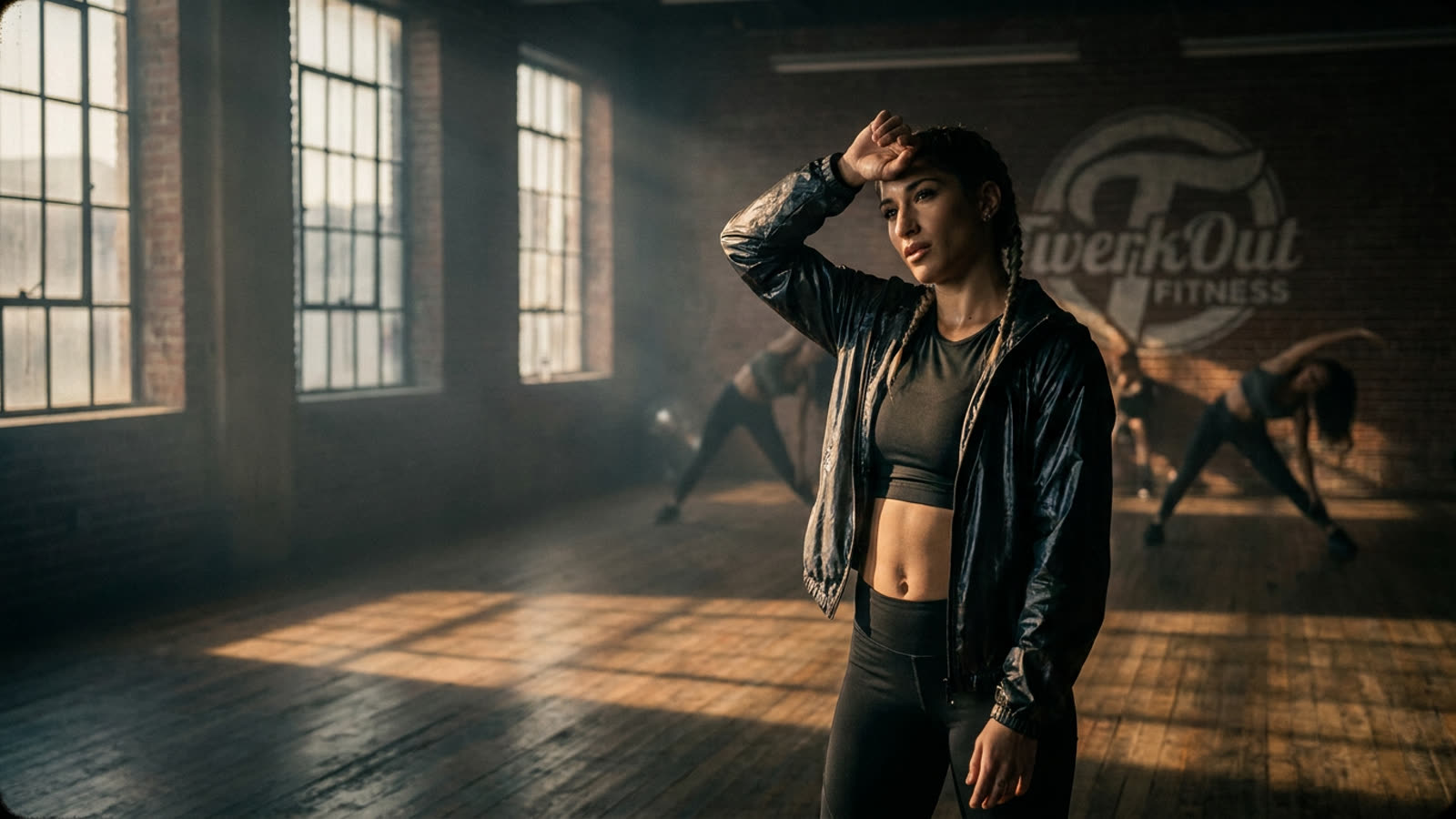
Lexy Panterra emerged from the mid-2010s YouTube explosion as the face of "LexTwerkOut," a fitness program that married hip-hop dance moves with high-intensity interval training. The premise was simple and slightly transgressive—toning your glutes while doing something your mother might disapprove of. It worked spectacularly. The brand spawned DVDs, a clothing line, studio partnerships across three continents, and the kind of devoted following that fitness influencers a generation older had spent decades cultivating.
The respectability pivot
But Panterra's recent moves suggest a strategic repositioning. Her social media presence has shifted noticeably toward broader wellness content—meditation snippets, nutrition partnerships, and collaborations with athleisure brands that wouldn't have touched "twerk fitness" in 2016. The bikini shots still appear, as evidenced by this week's viral beach content, but they're increasingly framed as body-positivity messaging rather than pure provocation.
This is the classic influencer-to-entrepreneur transition, executed with unusual discipline. Where many viral fitness personalities flame out when their signature move becomes passé, Panterra has methodically built infrastructure: certified instructor programs, licensing deals, and a production company that creates content for other creators.
The algorithm problem
The challenge is structural. TikTok and Instagram's recommendation engines have moved decisively toward short-form educational content and away from the dance-forward material that built her brand. Panterra's engagement metrics, while still formidable by any reasonable standard, have declined from their 2021 peak. The audience she cultivated skews older now—loyal, but less valuable to advertisers chasing Gen Z.
Her response has been to lean into that maturity rather than fight it. Recent partnerships emphasize longevity, joint health, and sustainable fitness practices. The twerk remains part of the repertoire, but it's positioned as one tool among many rather than the entire identity.
Our take
Panterra represents something genuinely interesting about internet-era celebrity: the rare case of someone who understood, early, that virality is a launchpad rather than a destination. She built real business infrastructure while the attention was hot, and now she's attempting the pivot that defeats most of her peers. Whether the broader wellness market will embrace someone whose brand was built on making fitness explicitly sexual remains an open question. But she's playing the long game with more sophistication than the beach photos might suggest.