The cybercrime-as-a-service model depends on a surprisingly small number of chokepoints, and this week authorities found one.
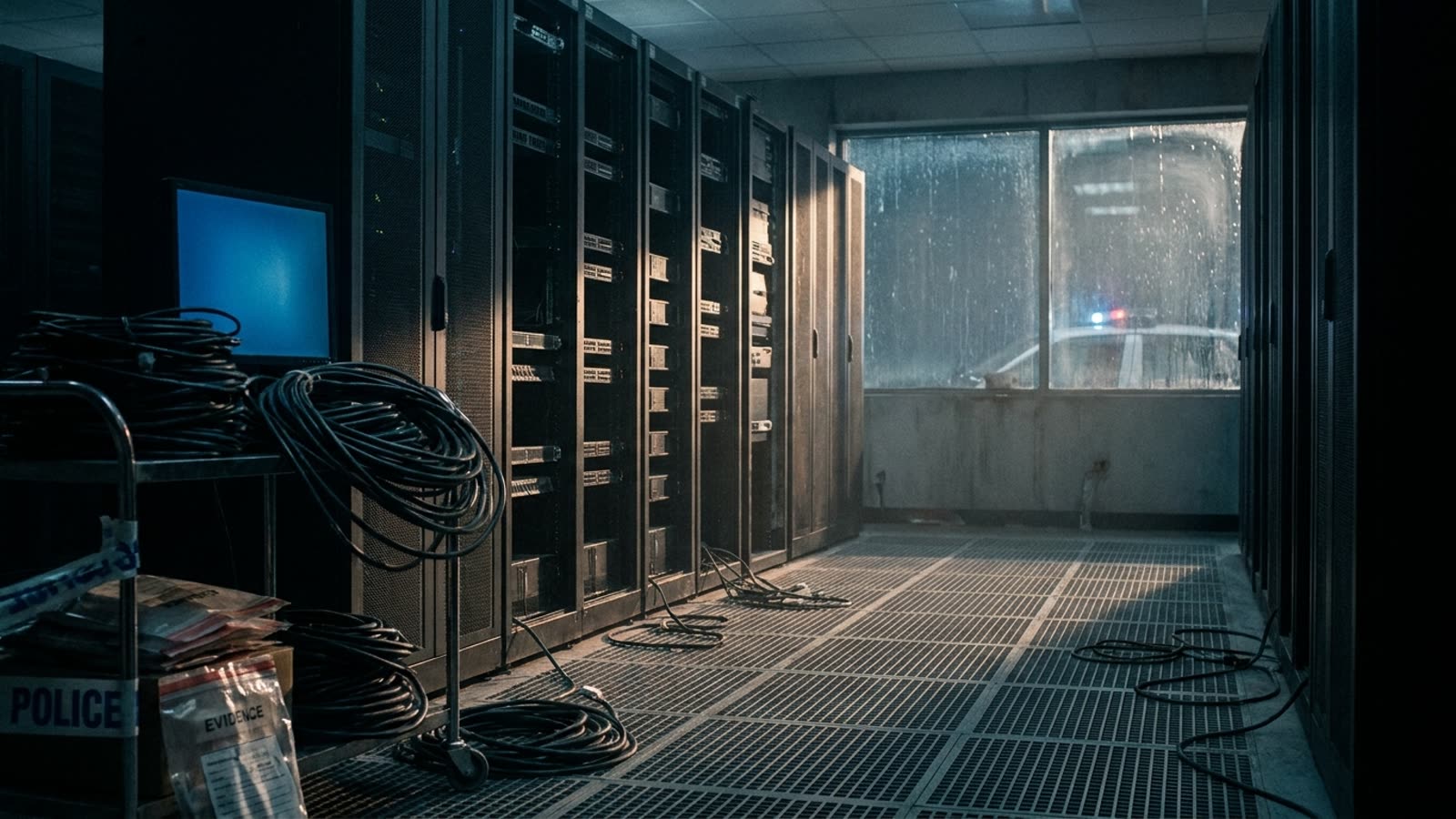
An international coalition of law-enforcement agencies has shuttered a VPN service that investigators say provided anonymity infrastructure to at least two dozen ransomware operations. The takedown, coordinated across multiple jurisdictions, targeted not the gangs themselves but the commercial plumbing they relied on to mask their identities, launder command-and-control traffic, and evade attribution. It is the clearest signal yet that Western governments have shifted from playing whack-a-mole with individual crews to attacking the shared services that make the entire ecosystem viable.
The economics of criminal infrastructure
Ransomware groups have long operated like franchise businesses: a core team develops the malware and negotiates ransoms, while affiliates handle intrusion and deployment. What receives less attention is the layer beneath—the hosting providers, bulletproof VPNs, and cryptocurrency mixers that every franchise needs. These services are relatively few in number because trust is scarce in criminal markets; once a provider earns a reputation for not cooperating with police, it becomes indispensable. Removing one doesn't end ransomware, but it imposes friction: gangs must find new vendors, rebuild operational security, and accept the risk that the replacement is already compromised.
Why this matters for corporate balance sheets
Ransomware costs are notoriously difficult to quantify, but insurers and CFOs feel them acutely. Premiums for cyber coverage have climbed for years, and underwriters increasingly demand evidence of specific controls before issuing policies. A sustained disruption to criminal infrastructure could, over time, bend the cost curve—fewer successful attacks mean smaller aggregate claims, which eventually feed through to pricing. The operative word is "sustained": past takedowns have produced temporary lulls before new services emerged. Whether this operation marks a durable shift depends on follow-up actions and whether intelligence gathered from the seizure leads to arrests.
The geopolitical subtext
Many ransomware operators are believed to reside in jurisdictions that tolerate their activity so long as they avoid domestic targets. The VPN takedown sidesteps that problem by focusing on infrastructure rather than individuals. It also sends a message to the gray-zone vendors who serve criminal clients while maintaining a veneer of legitimacy: neutrality is no longer a safe business model.
Our take
Going after shared services is smarter than chasing individual hackers, and it reflects a maturation in how governments think about cybercrime economics. But the real test is repetition. One high-profile bust makes headlines; a sustained campaign that raises the cost of doing business for every ransomware affiliate would actually move the needle. For now, this is a promising data point, not yet a trend.