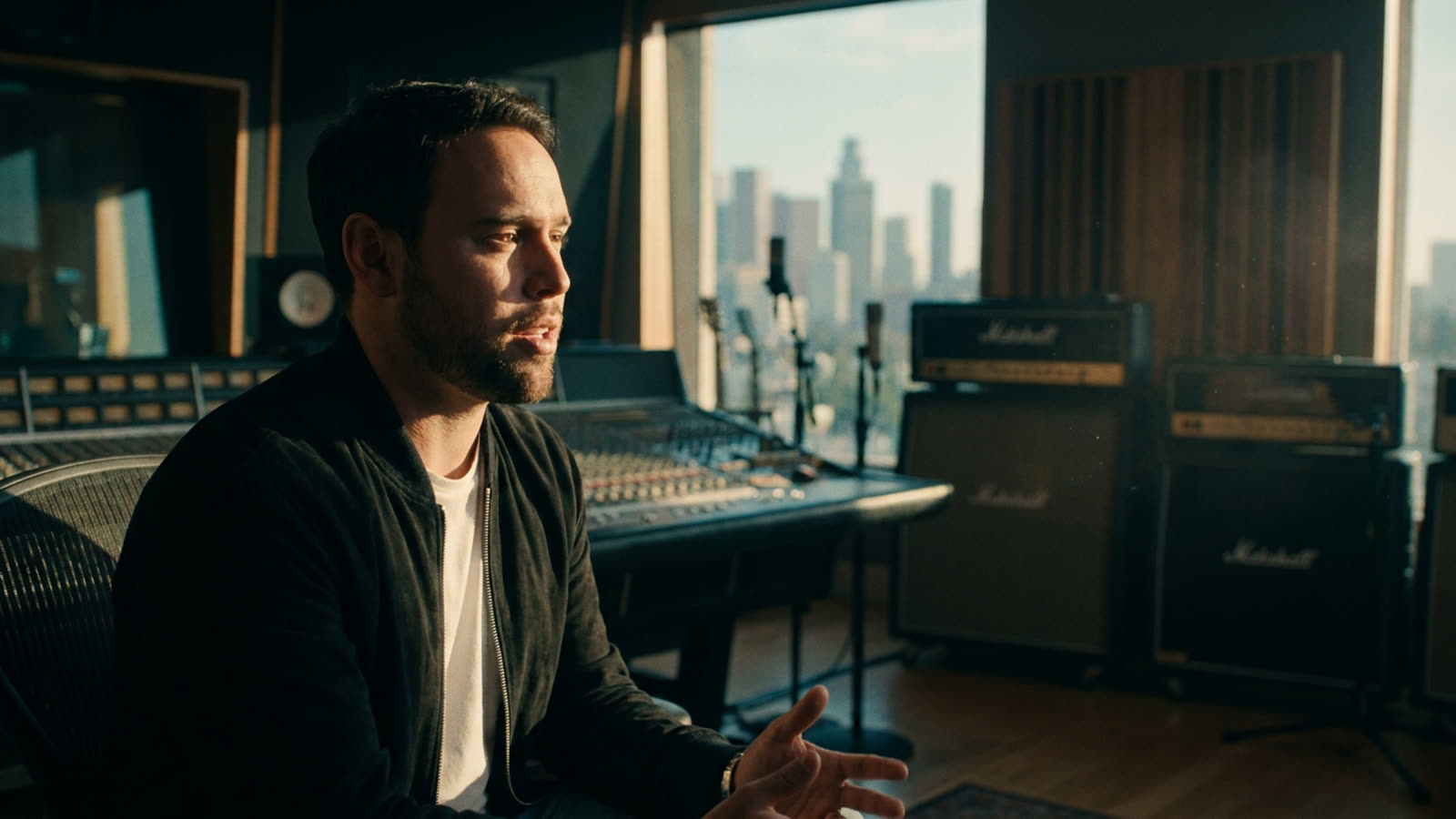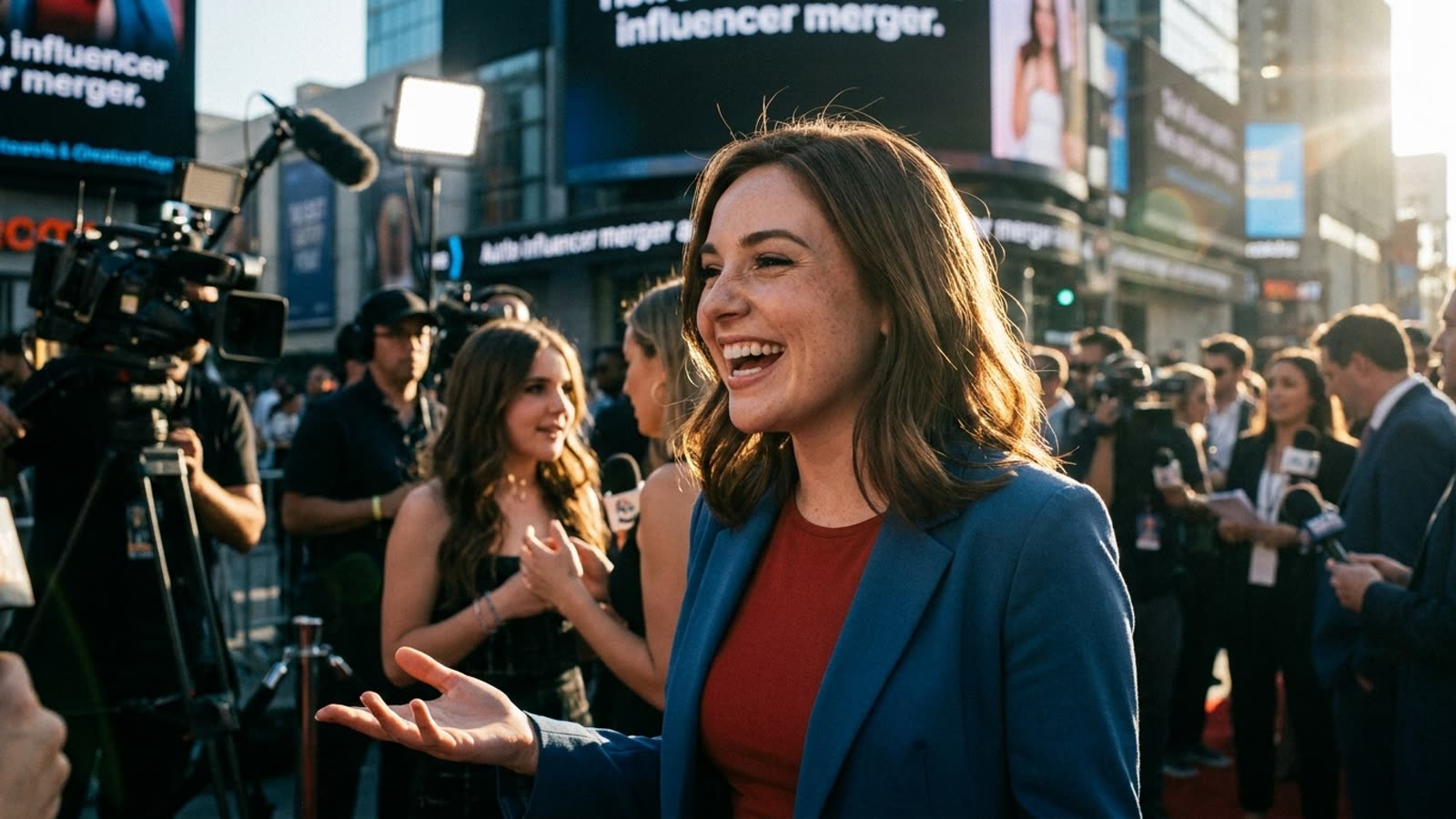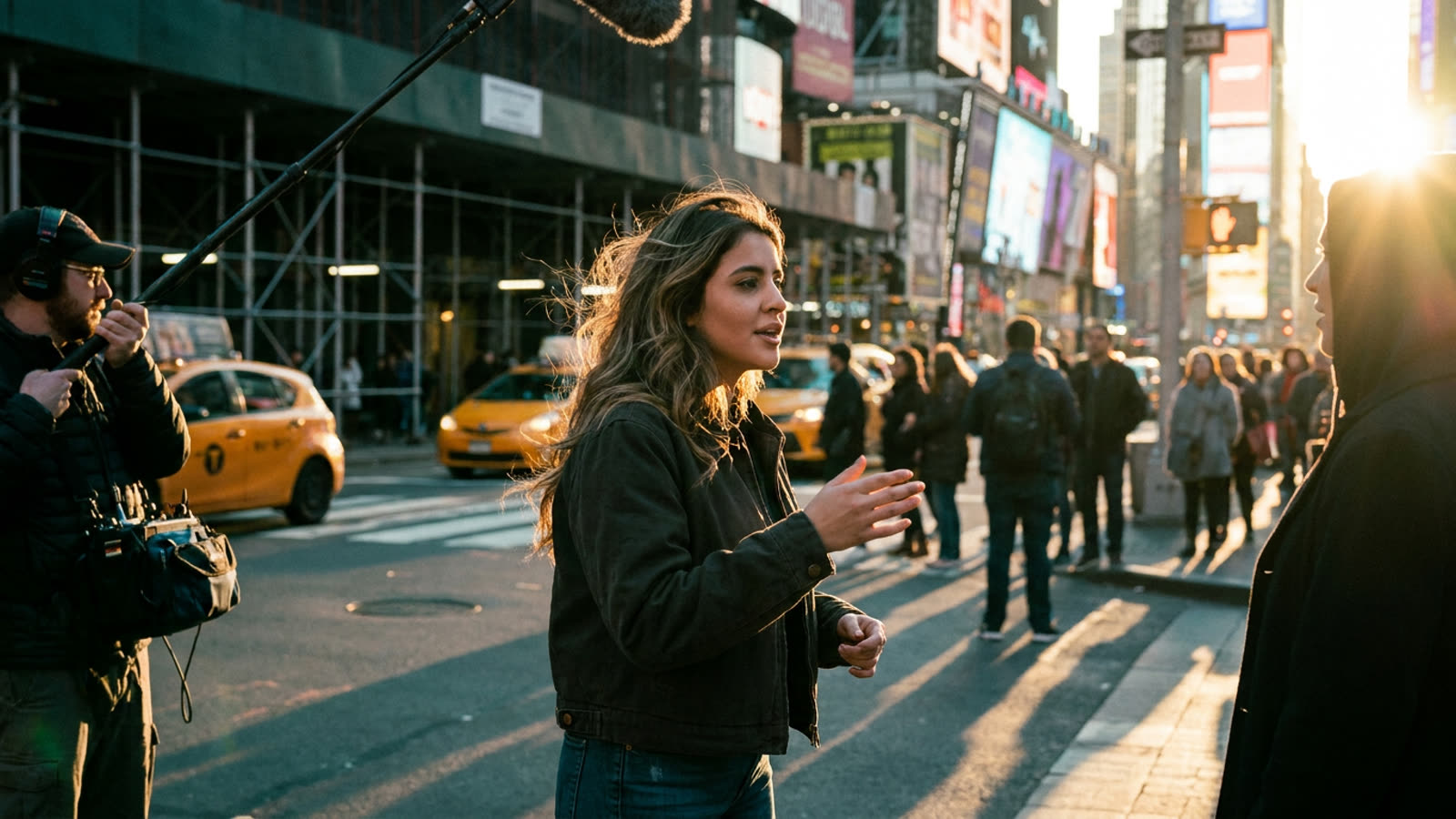
In an industry that treats creators like produce with expiration dates, Lauren Giraldo's continued relevance feels almost subversive.
The 27-year-old influencer, who first gained traction on Vine in the early 2010s before migrating to YouTube and Instagram, has outlasted platform deaths, algorithm shifts, and approximately seventeen generations of TikTok stars. She's not the biggest name in the creator economy—she never was—but she's still working, still posting, still monetizing. In a landscape littered with the digital corpses of once-viral personalities, that durability is itself remarkable.
The mathematics of staying power
Giraldo's career arc illustrates an uncomfortable truth about the creator economy: virality is easy; longevity is rare. The average lifespan of a social media star's peak relevance has been estimated at somewhere between eighteen months and three years. Giraldo is now operating in her twelfth year of content creation, having survived the collapse of Vine, the rise and plateau of YouTube, and the complete transformation of Instagram from photo-sharing app to short-form video platform.
Her strategy appears deceptively simple: consistent output, platform diversification, and a refusal to chase whatever format is currently being rewarded by the algorithm gods. She's never had a single viral moment that defined her career, which paradoxically may be why she's still here. Creators who spike hard tend to crater hard.
The new creator middle class
Giraldo represents an emerging category in the influencer economy: the working professional. Not a megastar commanding seven-figure brand deals, not a flash-in-the-pan hoping to convert fifteen minutes into a sustainable income, but something more prosaic—a content creator with a job. She has a recognizable audience, reliable engagement, and the kind of steady brand partnerships that suggest advertisers see her as a safe investment rather than a speculative bet.
This middle tier of the creator economy rarely gets discussed. Media coverage tends to focus on either the astronomical success stories (MrBeast, the D'Amelios) or the cautionary tales of burnout and bankruptcy. But there's a growing cohort of creators who've figured out how to make this work as a career rather than a lottery ticket. Giraldo's trajectory suggests the formula involves treating content creation less like performance art and more like running a small business.
Our take
The influencer economy has spent a decade promising democratized fame and fortune while delivering, for most participants, neither. Lauren Giraldo's quiet persistence won't generate the breathless coverage reserved for explosive rises or spectacular falls, but it might be the more honest template for what success in this industry actually looks like. Not everyone can be a billionaire; not everyone flames out. Some people just keep showing up, adapting, and cashing checks. In an economy built on manufactured urgency and artificial scarcity of attention, that's almost revolutionary.