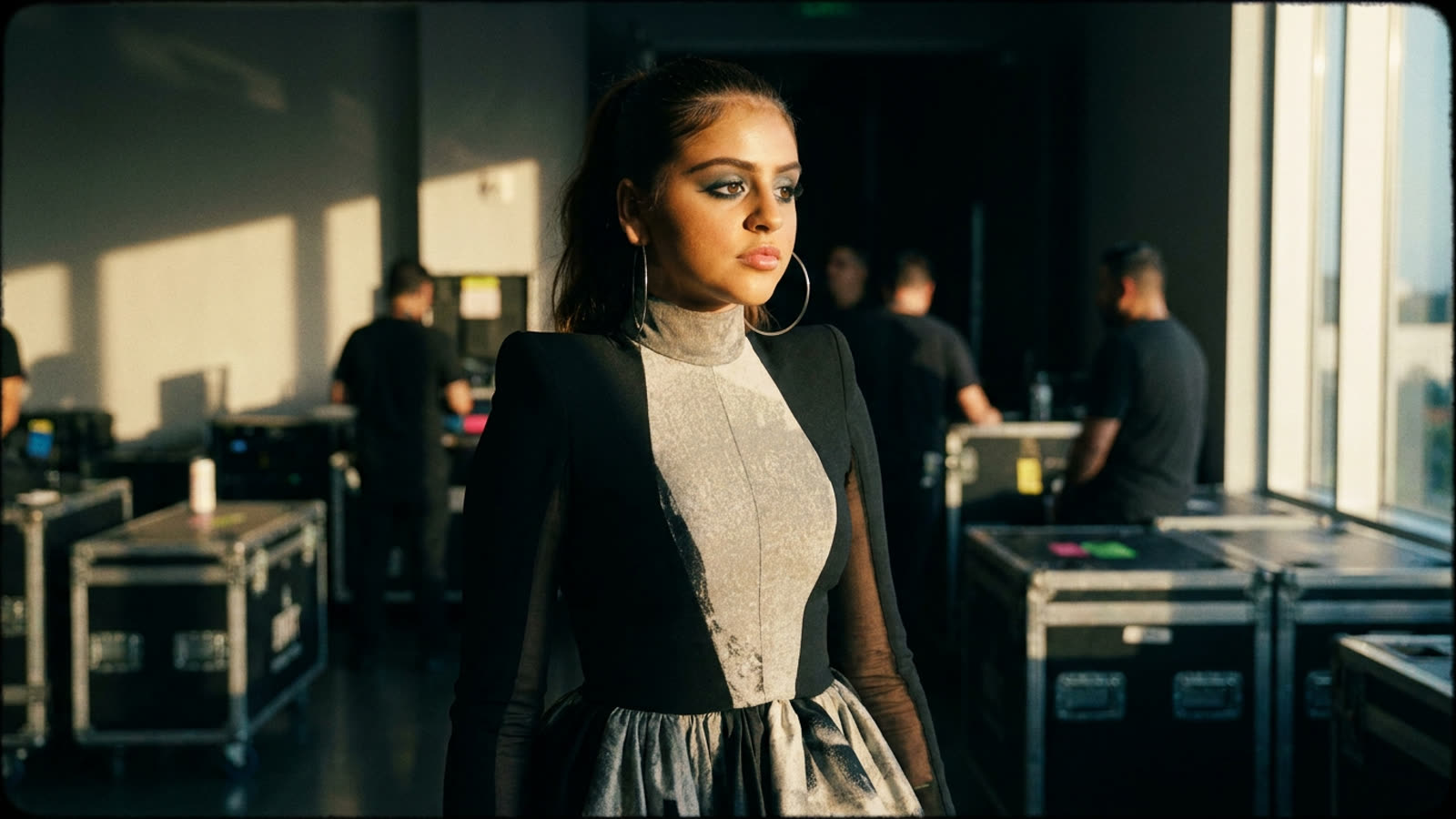
Lauren Giraldo became famous by giving everything away. The Venezuelan-American creator, who first went viral on Vine in the early 2010s, built her following on radical transparency—documenting her anxiety, her relationships, her body image struggles with the kind of unfiltered honesty that felt revolutionary before every teenager on TikTok started doing the same thing.
Now, at 27, Giraldo finds herself in an increasingly common predicament: how do you sustain a career built on confessional content when you've already confessed everything?
The authenticity trap
Giraldo represents a specific generation of internet celebrity—the post-Vine, pre-TikTok cohort who came of age performing vulnerability before anyone understood the psychological toll. These creators didn't have the benefit of hindsight. They couldn't look at burned-out predecessors and calibrate accordingly, because they were the predecessors.
The economics of the attention economy have only intensified since Giraldo's early days. Platforms now reward frequency and intimacy with algorithmic favor, creating a perverse incentive structure where boundaries become career liabilities. Creators who pull back often watch their engagement metrics crater; those who don't risk the kind of public unraveling that has become its own content genre.
Giraldo has spoken openly about her efforts to establish healthier relationships with both her audience and the platforms that mediate that relationship. She's experimented with longer gaps between posts, with content that's entertaining rather than excavating, with the radical notion that her followers don't need to know everything.
The business of being relatable
The influencer economy has matured considerably since Giraldo's Vine days, and with that maturation has come a more sophisticated understanding of what "authenticity" actually means in a commercial context. Early influencer culture operated on the premise that audiences craved unmediated access to real people living real lives. That premise has proven both true and unsustainable.
Brands, too, have grown more discerning. The same confessional content that builds parasocial intimacy can also create liability—sponsors increasingly prefer creators who project relatability without the messiness of actual human complexity. Giraldo has navigated this tension by diversifying her content, moving into fitness, lifestyle, and more conventionally aspirational territory while maintaining enough personal disclosure to satisfy her core audience.
Our take
Giraldo's career arc tells us something important about the lifecycle of internet fame. The qualities that make someone go viral—rawness, spontaneity, the willingness to share what others won't—are precisely the qualities that become unsustainable at scale. The smartest creators figure this out and evolve; the unlucky ones become cautionary tales. Giraldo appears to be attempting the former, which is both less dramatic and considerably healthier. The algorithm may not reward moderation, but longevity does.