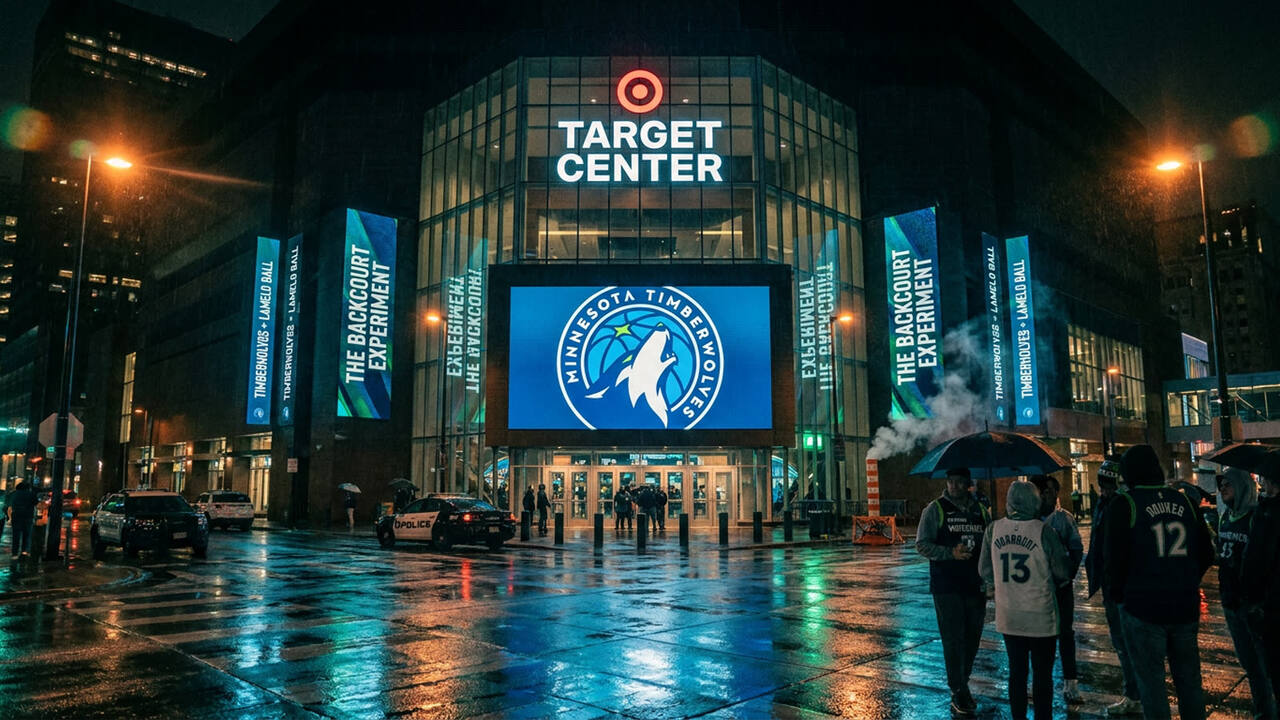
The Minnesota Timberwolves have spent the better part of a decade searching for a second star to complement Anthony Edwards. They found one in Charlotte, and the basketball world is now divided on whether this is the move that finally elevates Minnesota to contender status or the one that fractures an already fragile ecosystem.
LaMelo Ball is heading to Minneapolis. The trade, which sends a package back to the Hornets that reportedly earned Charlotte's rebuild a modest grade, represents the most significant roster gamble in Timberwolves history since the Kevin Garnett era. Minnesota is betting that two players who have built their games around controlling the basketball can learn to share it.
The fit question everyone is asking
Edwards averaged north of six assists last season while shouldering an enormous scoring burden. Ball, when healthy, is one of the league's most creative playmakers, a player whose court vision occasionally borders on the supernatural. On paper, the pairing offers Minnesota something it has never had: two players capable of creating offense from nothing.
The skeptics point to usage rates. Both players thrive with the ball in their hands. Both prefer to operate in transition. Both have occasionally been accused of prioritizing style over substance. The Timberwolves are gambling that maturity and playoff pressure will sand down those edges, that Ball at 24 and Edwards at 25 are ready to subordinate ego to winning.
Charlotte's rebuild enters a new phase
For the Hornets, this trade represents an acknowledgment that the Ball experiment never quite delivered what Charlotte hoped. Injuries robbed him of continuity. The supporting cast never materialized. The franchise that drafted him third overall in 2020 is now pivoting toward a longer timeline, armed with whatever assets Minnesota surrendered and a clearer path for younger players.
The grading consensus on Charlotte's return has been lukewarm at best, with some analysts suggesting the Hornets sold low on a player whose ceiling remains tantalizing. But rebuilds require patience, and Charlotte has learned the hard way that waiting for a fragile star to fulfill his potential can cost you years.
Our take
Minnesota needed to do something bold, and this qualifies. The Western Conference remains a gauntlet, and the Timberwolves were not going to leapfrog Oklahoma City or Denver by standing pat. Ball's injury history is a legitimate concern, and the fit with Edwards will require both players to evolve in ways neither has fully demonstrated. But the upside is a backcourt that can match any in the league for sheer creativity. If it works, Minnesota finally has its answer. If it fails, the Timberwolves will have learned an expensive lesson about the difference between talent and compatibility.