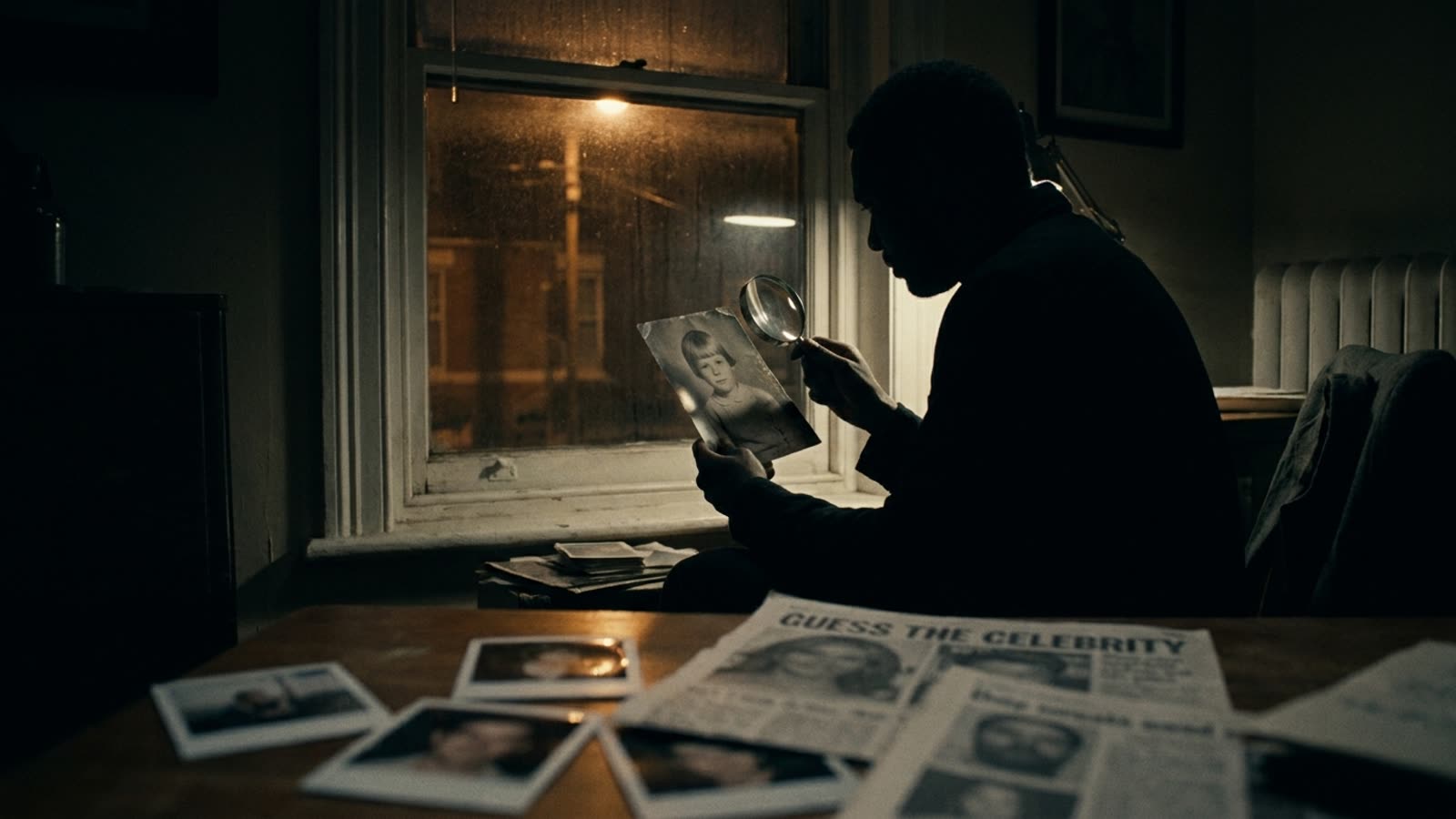
The format is older than the internet itself: a grainy childhood photograph, an invitation to guess which famous face it became, and the peculiar pleasure of being wrong. This week, as outlets circulate yet another round of celebrity transformation reveals—including an unidentified Los Angeles Laker whose cherubic youth belies his current athletic frame—the genre continues its quiet reign as one of digital media's most durable forms.
What explains its persistence? Not nostalgia, exactly, though that's part of it. The guessing game endures because it offers something increasingly rare online: genuine uncertainty followed by genuine resolution. In an algorithmic landscape designed to confirm what you already believe and show you what you already like, the childhood photo asks you to be wrong. It invites failure. And then it rewards you with an answer.
The democracy of awkwardness
There's a leveling quality to these images that celebrity culture otherwise resists. The machinery of fame—stylists, publicists, personal trainers, cosmetic interventions both subtle and dramatic—exists precisely to create distance between the star and the ordinary person. The childhood photograph collapses that distance. Here is proof that the Lakers player with the sculpted physique was once a kid with an uncertain smile. Here is evidence that the bone structure you admire was, at some point, buried under baby fat.
This is why the format works best with athletes and actors rather than musicians or artists. Physical transformation is the point. The viewer is meant to marvel at the gap between then and now, to appreciate the work—genetic, athletic, cosmetic—that separates the two images.
The parasocial paradox
Celebrity culture in 2026 operates on manufactured intimacy. Stars share their morning routines, their skincare regimens, their therapy breakthroughs. They address fans directly through Stories and livestreams. The relationship feels close, even reciprocal. But the guessing game reveals the lie at the heart of this intimacy: you don't actually know these people. You can't recognize them without the scaffolding of their fame. Strip away the context—the jersey, the red carpet, the verified account—and they become strangers again.
This should be humbling, but instead it's oddly comforting. The celebrity remains, at some fundamental level, unknowable. The parasocial relationship has limits. You are not, in fact, friends.
Our take
The childhood celebrity photo is a minor art form, but it's an honest one. It doesn't pretend to offer access or insight. It simply presents a puzzle and a payoff, a before and an after, and trusts the viewer to find meaning in the gap. In an attention economy built on false intimacy and endless engagement, that modesty is almost radical. The format will outlast whatever platform currently hosts it, because the question it asks—who did this person become?—is really the question we ask ourselves every time we look at our own old photographs.