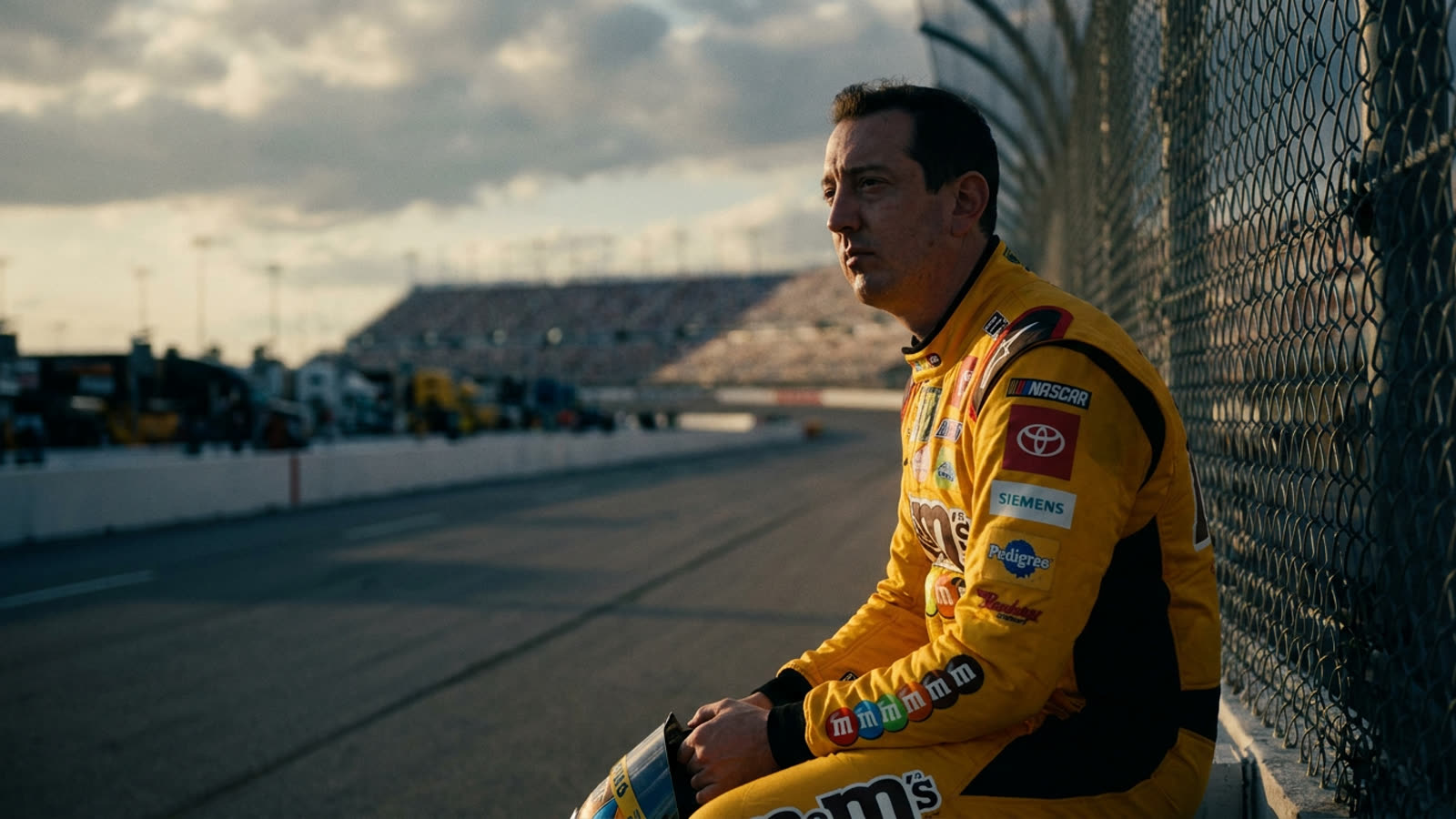
Kyle Busch was never supposed to be likable, and he understood this better than anyone. The Las Vegas native who died this week at 41 built a Hall of Fame career on a foundation of raw talent and weaponized antagonism, winning two Cup Series championships while cultivating a villain persona that made him the most watchable driver of his generation. In an era when NASCAR desperately needed personalities, Busch delivered one that fans could not ignore.
The circumstances surrounding his death have not been fully disclosed, but the outpouring of tributes from across motorsport suggests that even those who booed him loudest understood what they were watching. Busch won 63 Cup Series races, placing him ninth on the all-time list, and his 224 victories across NASCAR's three national series remain an untouchable record. He was, by any statistical measure, one of the greatest stock car racers ever to strap into a seat.
The villain NASCAR needed
Busch arrived in Cup competition in 2005 as a 20-year-old with a chip on his shoulder and a tendency to wreck competitors who crossed him. Where other drivers cultivated corporate-friendly images, Busch leaned into confrontation. He smashed trophies when he felt slighted, feuded publicly with everyone from Dale Earnhardt Jr. to Joey Logano, and once celebrated a win at a track where fans had pelted his car with beer cans by pretending to cry into the microphone. The crowds hated it. They also could not look away.
This was not accidental. Busch recognized that NASCAR's transition away from its Southern roots had left the sport searching for characters who could generate genuine emotion. Jeff Gordon had been booed for being too polished; Busch got booed for being too honest about his own excellence. The distinction mattered. When Busch said he was the best, he usually had the results to back it up.
The late-career reinvention
His 2023 move to Richard Childress Racing after a decade at Joe Gibbs Racing was supposed to be a graceful exit toward retirement. Instead, Busch found himself fighting for relevance in equipment that could not match his ambition. The wins dried up, but something unexpected emerged: a version of Kyle Busch that fans could almost root for. He became an underdog for the first time in his career, scrapping for top-tens in a sport that had moved on to younger stars.
The irony is that Busch's final seasons may have done more for his legacy than his championship years. Watching him rage against diminished circumstances reminded everyone why they had paid attention in the first place. He never stopped believing he was the best driver on the track, even when the evidence suggested otherwise. That delusion, or confidence, depending on your perspective, was the essence of his appeal.
Our take
NASCAR will eulogize Kyle Busch as a champion, which he was. But the sport should also acknowledge that it benefited enormously from his willingness to be hated. In an age of media-trained athletes who say nothing interesting, Busch said whatever he wanted and dared you to have a problem with it. The 41-year-old who died this week was not a hero in the traditional sense. He was something rarer: a competitor who made you feel something every time he took the green flag, even if that feeling was hoping he would wreck.