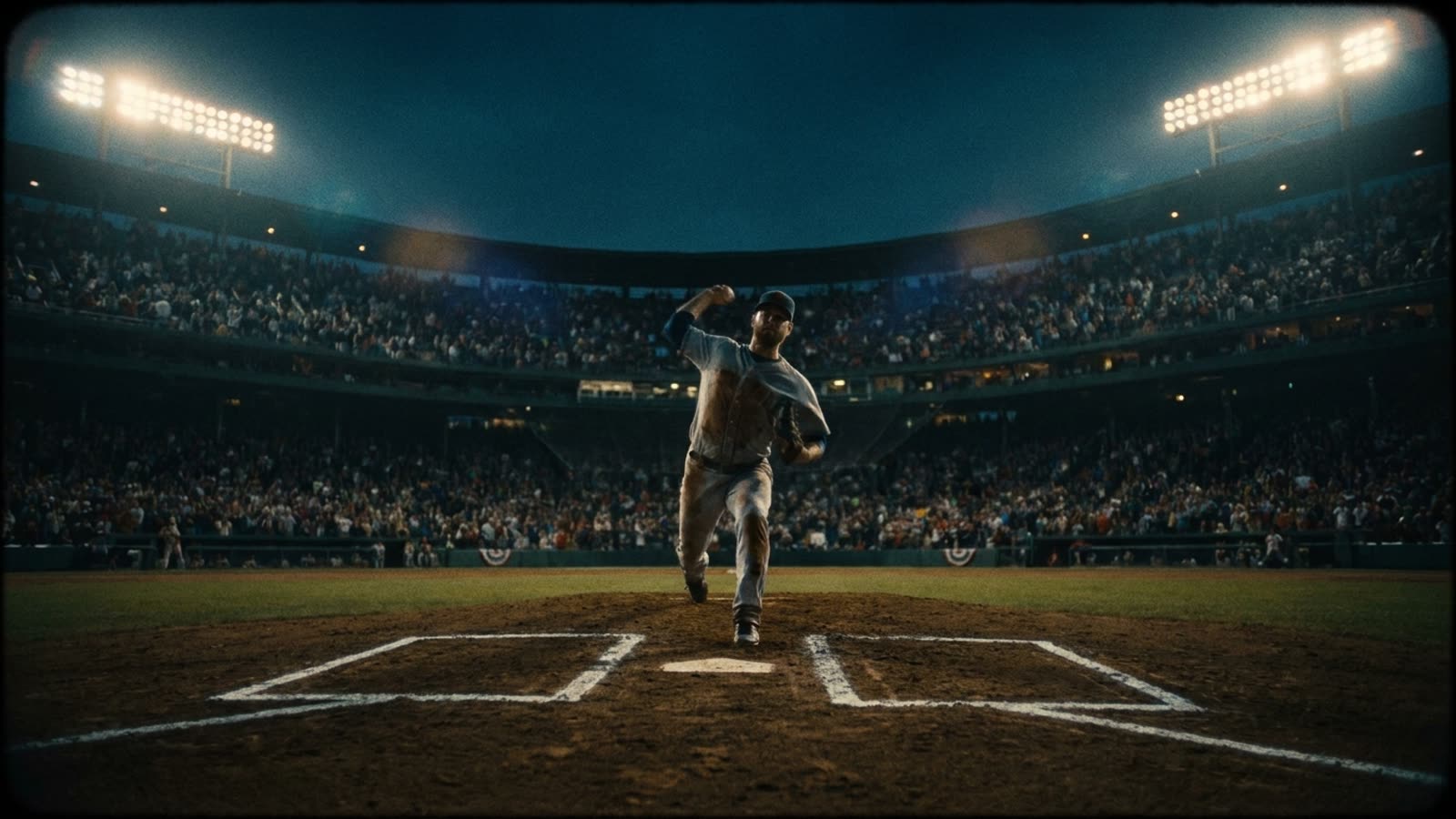
The surest way to lose a decade in Major League Baseball is to draft pitchers early and watch them dissolve into Tommy John scars and minor-league rehab assignments. Yet here we are, six weeks from the 2026 amateur draft, and the consensus board is dominated by college arms—the very category that has broken more rebuilding timelines than any free-agent bust ever could.
Kiley McDaniel's latest ESPN mock, published this week, crystallizes the dilemma. The top tier features polished right-handers from SEC and ACC programs, players who could slot into big-league rotations by 2027 but who carry the actuarial profile of a coastal Florida condo. Teams picking in the top ten are being asked to bet eight-figure bonuses on shoulders and elbows that, statistically, have a one-in-three chance of requiring major surgery before arbitration.
The college-arm paradox
College pitchers offer something position players cannot: proximity. A 22-year-old with 200 innings of high-leverage conference work can skip levels, compress development costs, and fill a rotation hole while a high-school bat is still learning to hit a slider in Low-A. For small-market clubs facing competitive windows, that timeline compression is irresistible.
But the math is brutal. Since 2015, roughly 35 percent of college pitchers drafted in the first round have undergone elbow reconstruction. The survivors often outperform their positional peers—when they survive. The 2026 class is especially top-heavy with arms, meaning teams drafting outside the top five may find the best available talent is, once again, a right-hander with electric stuff and a ticking clock in his elbow.
What the mock reveals
McDaniel's board suggests the Rockies, picking first, are leaning toward a college arm despite Coors Field's historic cruelty to pitchers. The logic: a frontline starter is worth more to a franchise that has never developed one internally than the marginal gains from another bat in the thin air. Whether that logic survives June's medical re-checks is another matter.
Further down, the mock shows teams diverging sharply. Some are loading up on prep bats, accepting longer timelines in exchange for healthier bodies. Others are doubling down on arms, betting that modern biomechanics and pitch-count management have bent the injury curve. The data, so far, does not support that optimism.
Our take
Drafting pitchers is not irrational; it is simply higher-variance gambling dressed in scouting jargon. The 2026 class forces front offices to confront an uncomfortable truth: the sport's most valuable commodity is also its most fragile. Teams that emerge from July with rotation depth will have won a lottery. Teams that emerge with surgical candidates will have learned, again, that the draft rewards patience more often than aggression. The smart money hedges. The desperate money swings for aces. We will know which is which by 2029.