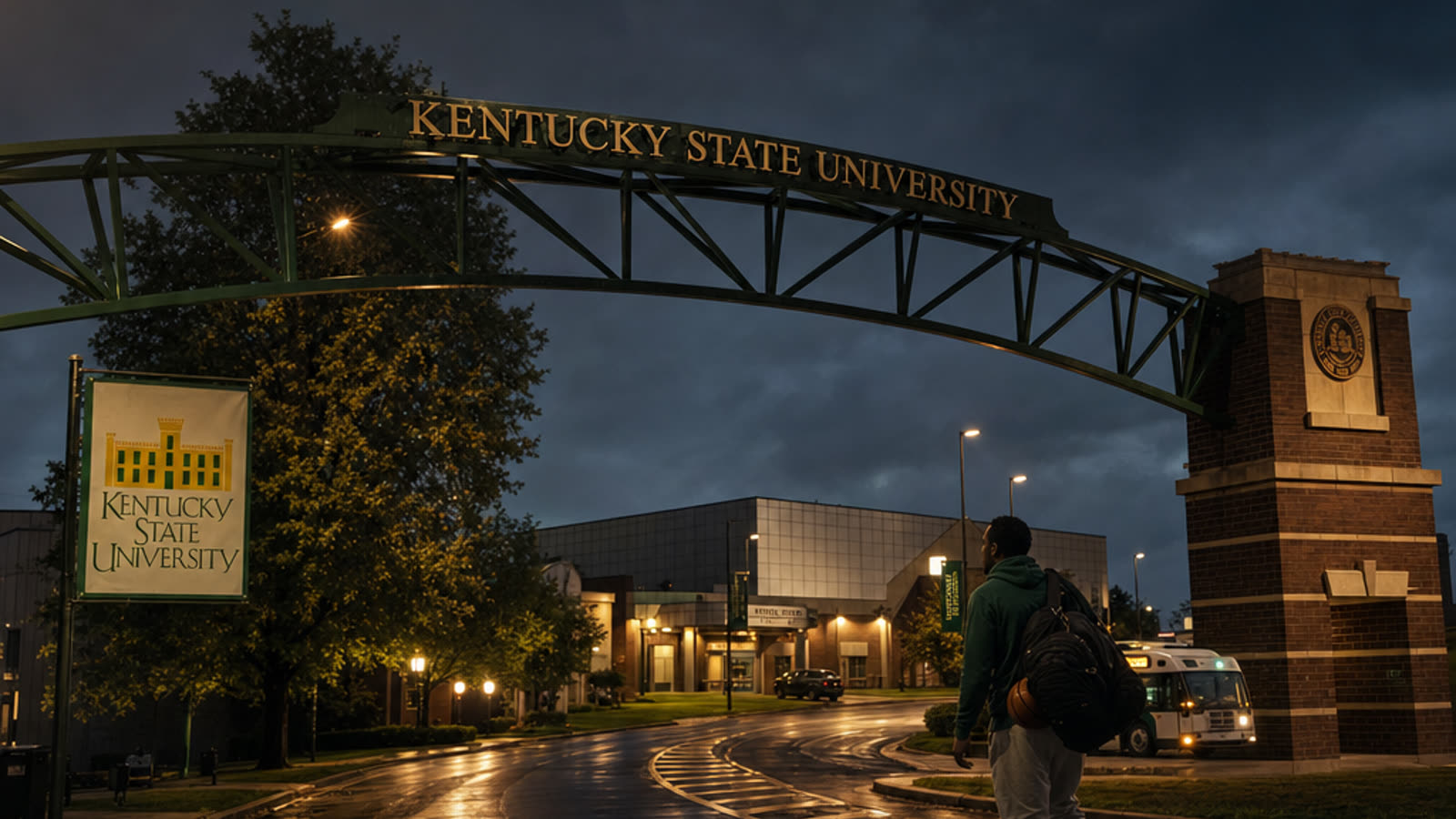
A Kentucky State University basketball player has been released on bond after spending two months in Immigration and Customs Enforcement custody, a case that illustrates how international student-athletes can find themselves caught in enforcement actions with little warning and even less recourse.
The player, whose detention began following what was described as a routine traffic stop, represents a growing category of vulnerability in American college sports: foreign nationals whose visa status can shift from secure to precarious with a single bureaucratic hiccup or law enforcement encounter. While the specifics of his immigration situation remain unclear, the duration of his detention—two months, during what should have been preseason preparation—speaks to a system where due process moves at a pace incompatible with athletic careers.
The economics of international recruitment
Division II programs like Kentucky State have increasingly relied on international talent pipelines to remain competitive. These players often arrive on student visas with strict conditions: maintain full-time enrollment, don't work off-campus, stay in good academic standing. The arrangement works until it doesn't. A missed class, a paperwork delay, a misunderstanding at a traffic stop—any of these can trigger consequences that seem wildly disproportionate to American-born teammates who've never had to think about their right to remain in the country where they play.
The athletic departments recruiting these players rarely have the immigration expertise to support them when things go wrong. Compliance offices focus on NCAA eligibility, not visa maintenance. International student services handle academics, not athletics-related travel. The player falls through institutional gaps.
What bond means and doesn't mean
Release on bond is not exoneration. It means an immigration judge determined the player is neither a flight risk nor a danger to the community—a relatively low bar that still took two months to clear. He now faces removal proceedings that could stretch for years, during which his ability to play, to practice, even to remain enrolled may remain uncertain. His basketball career, such as it was at the Division II level, has already been fundamentally disrupted.
Our take
This story will get less attention than it deserves because it involves a program most sports fans have never heard of and a player whose name won't appear on any draft boards. But that's precisely what makes it significant. The international student-athlete population in American college sports numbers in the tens of thousands. Most will never encounter ICE. But the ones who do will discover that their athletic value provides no protection whatsoever, and that the institutions that recruited them across oceans have limited ability—or willingness—to intervene when the state comes calling.