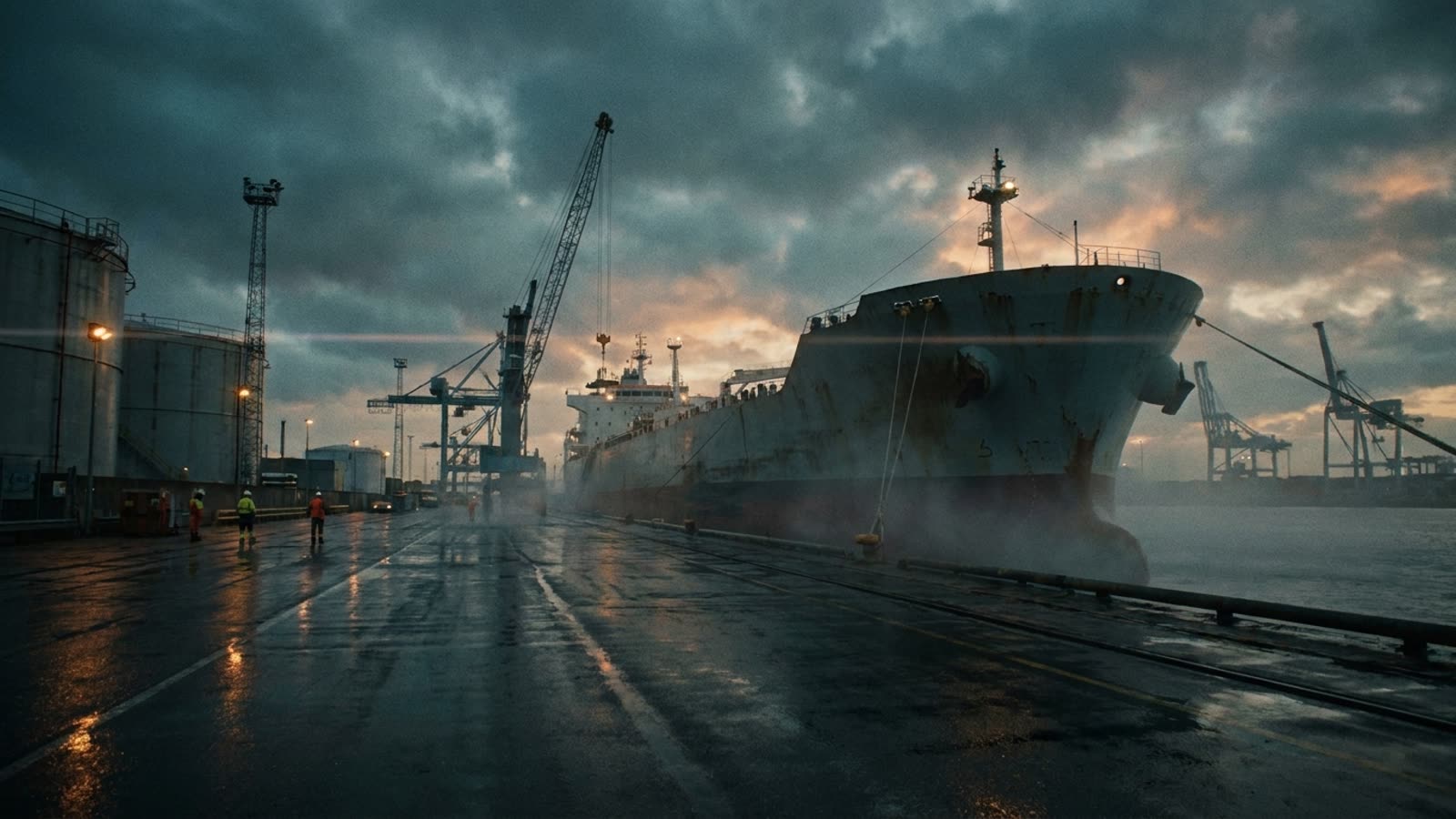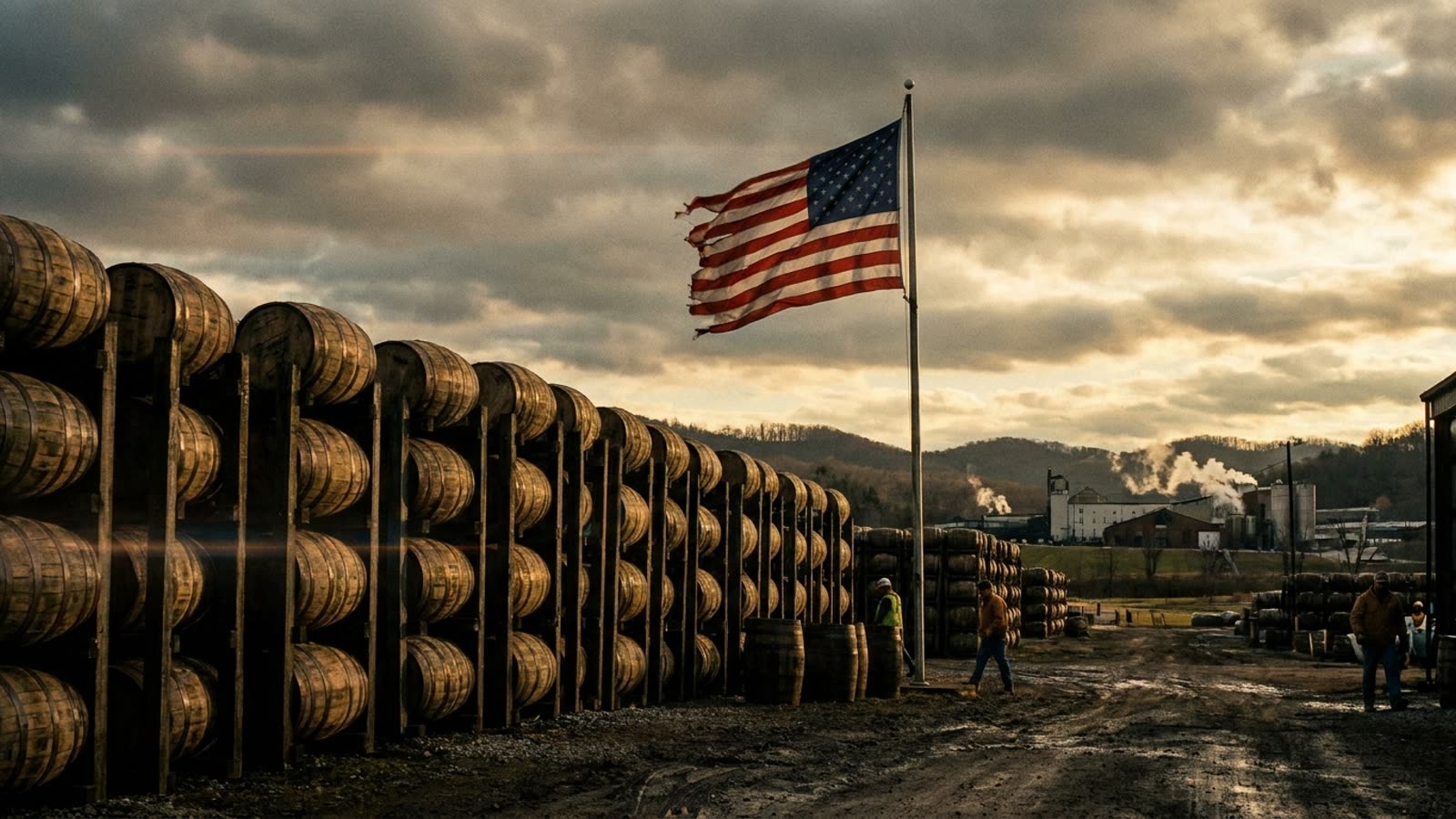
The amber liquid in your glass has become a political football, and the game is getting ugly.
Kentucky's bourbon industry—a $9 billion annual contributor to the state economy and custodian of a craft older than the republic—is hemorrhaging market share as Canadian tariffs make American whiskey prohibitively expensive north of the border. The levies, imposed in retaliation for U.S. steel and aluminum duties that the Trump administration revived and expanded in early 2026, have cut bourbon exports to Canada by more than a third since spring. For an industry where aging inventory ties up capital for years and international markets provide crucial margin, the pain is acute and compounding.
Distillers from Louisville to Bardstown are now staring at warehouses full of product they cannot move at profitable prices, while their Canadian competitors—and Scottish single-malt producers—gleefully absorb the displaced demand.
The political math
Kentucky is not a swing state, but bourbon's troubles extend into ones that are. Tennessee whiskey producers face identical headwinds, and the supply chain stretches into Indiana, Missouri, and Ohio—all states with competitive House races and, in Ohio's case, a Senate seat that could determine chamber control. Democratic candidates in these districts have seized on the tariff war as evidence of economic mismanagement, while Republicans argue the levies are necessary leverage for broader trade concessions.
The bourbon caucus in Congress, a bipartisan group that once focused on labeling regulations and export promotion, has fractured along party lines. Senator Rand Paul, whose libertarian instincts make him a reliable tariff skeptic, has found himself in the awkward position of criticizing his own party's trade policy while facing primary threats from the right.
Why Canada matters more than you think
Canada is bourbon's second-largest export market after the European Union, and unlike Europe—where tariffs have been a recurring irritant for years—the Canadian relationship was, until recently, stable and growing. The North American trade corridor allowed distillers to treat Canada almost as a domestic market, with minimal friction and predictable demand. That predictability is now gone.
Canadian retailers report that bourbon shelf space is shrinking as buyers trade down to domestic rye or switch to Scotch. Once those habits form, they are difficult to reverse. The industry's fear is not just lost sales today but permanently diminished brand equity in a market it spent decades cultivating.
Our take
Trade wars are easy to start and miserable to end, and bourbon's predicament illustrates why. The distillers did nothing to provoke Canadian retaliation; they are simply convenient targets because their product is iconic, identifiable, and disproportionately produced in states that voted for the administration imposing the original tariffs. That political logic makes resolution harder, not easier—Canada has little incentive to relent when the pain falls on the other side's base. Kentucky's bourbon barons are learning what farmers discovered in the last trade war: being a symbol of America is a liability when America is the enemy.