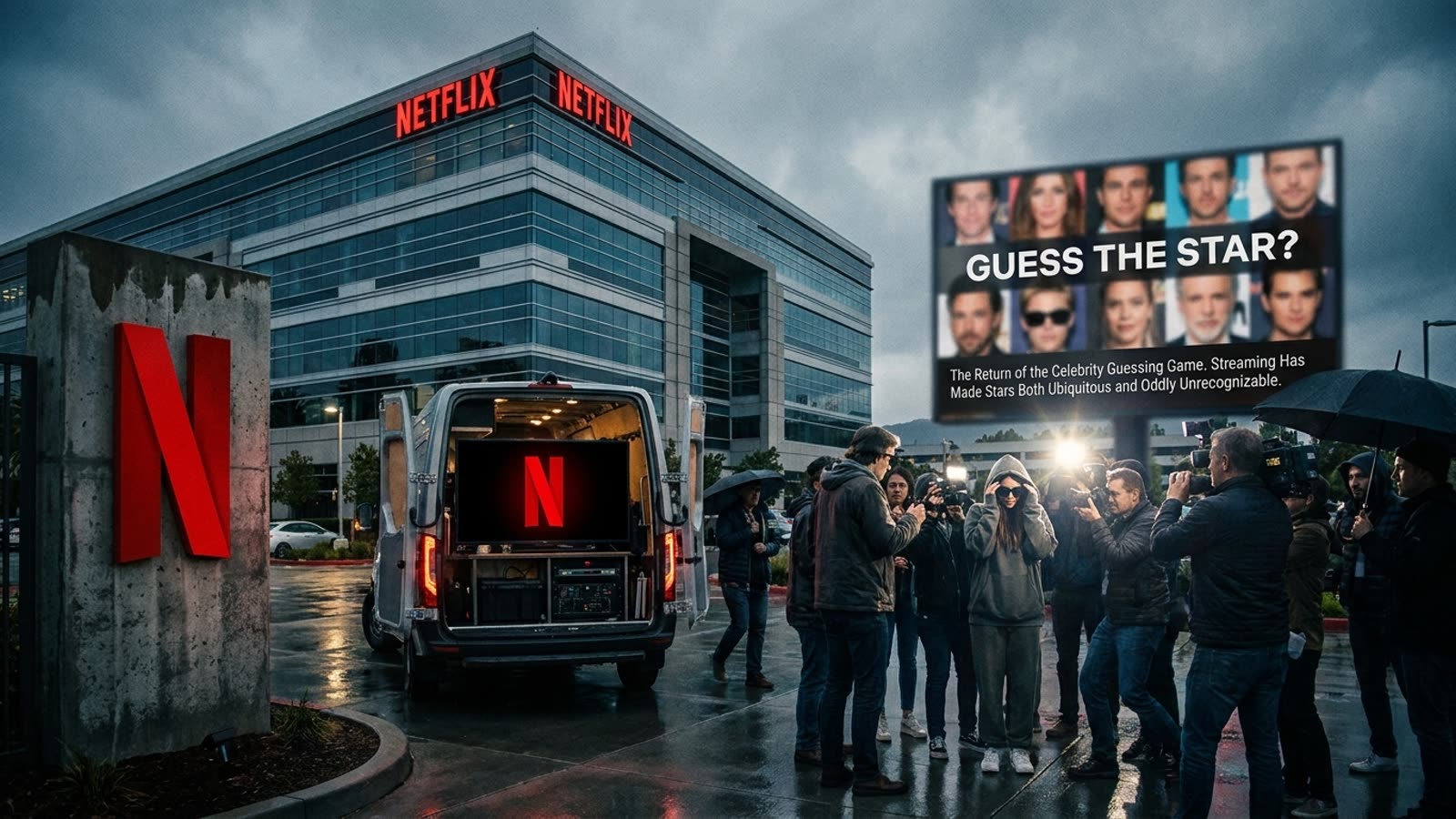
The streaming era has resurrected nearly every sitcom that aired between 1990 and 2003, yet somehow the performers who anchored Black-led network comedies outside the top tier remain invisible. Kenny Martin, who starred in BET's In the City, represents a generation of actors who did the work, drew the audiences, and then watched their shows vanish into licensing limbo while Friends reruns generated billions.
The mid-tier problem
Hollywood's nostalgia economy operates on a brutal hierarchy. Shows that cleared certain syndication thresholds—Martin, Living Single, The Fresh Prince of Bel-Air—eventually found their streaming homes and their cast reunions. But the next rung down, the comedies that ran two or three seasons on UPN or BET, exist in a peculiar purgatory. Their stars built real careers, their episodes drew respectable ratings, and their cultural footprint among Black audiences was genuine. Yet because no major platform has acquired the rights, they've been functionally erased from the collective memory that streaming now curates.
Martin's work on In the City was solid, professional, the kind of performance that kept a show on the air. He wasn't a breakout star who transcended the vehicle; he was the vehicle. And that distinction has proven fatal to legacy in an era that only rewards extremes.
Why the gap persists
The economics are straightforward. Acquiring a catalogue show requires negotiating with rights holders who often have unrealistic expectations based on what Netflix paid for Seinfeld. Meanwhile, the audience for a BET sitcom from 1997 skews older and less valuable to advertisers than the millennials who'll watch Boy Meets World ironically. The result is a systematic undervaluation of an entire programming category.
This isn't just about money. It's about whose cultural memory gets preserved. When a generation of Black viewers can't show their children the shows they actually watched—not the crossover hits, but the Tuesday-night comfort food—something is lost that no algorithm can measure.
Our take
Kenny Martin and his peers deserve better than digital oblivion. The entertainment industry's current obsession with IP exploitation should, in theory, create opportunities for exactly this kind of deep-catalogue revival. Instead, the same platforms that will greenlight a Frasier continuation leave In the City to rot. It's a market failure dressed up as curation, and it reveals whose nostalgia the industry considers worth monetizing.