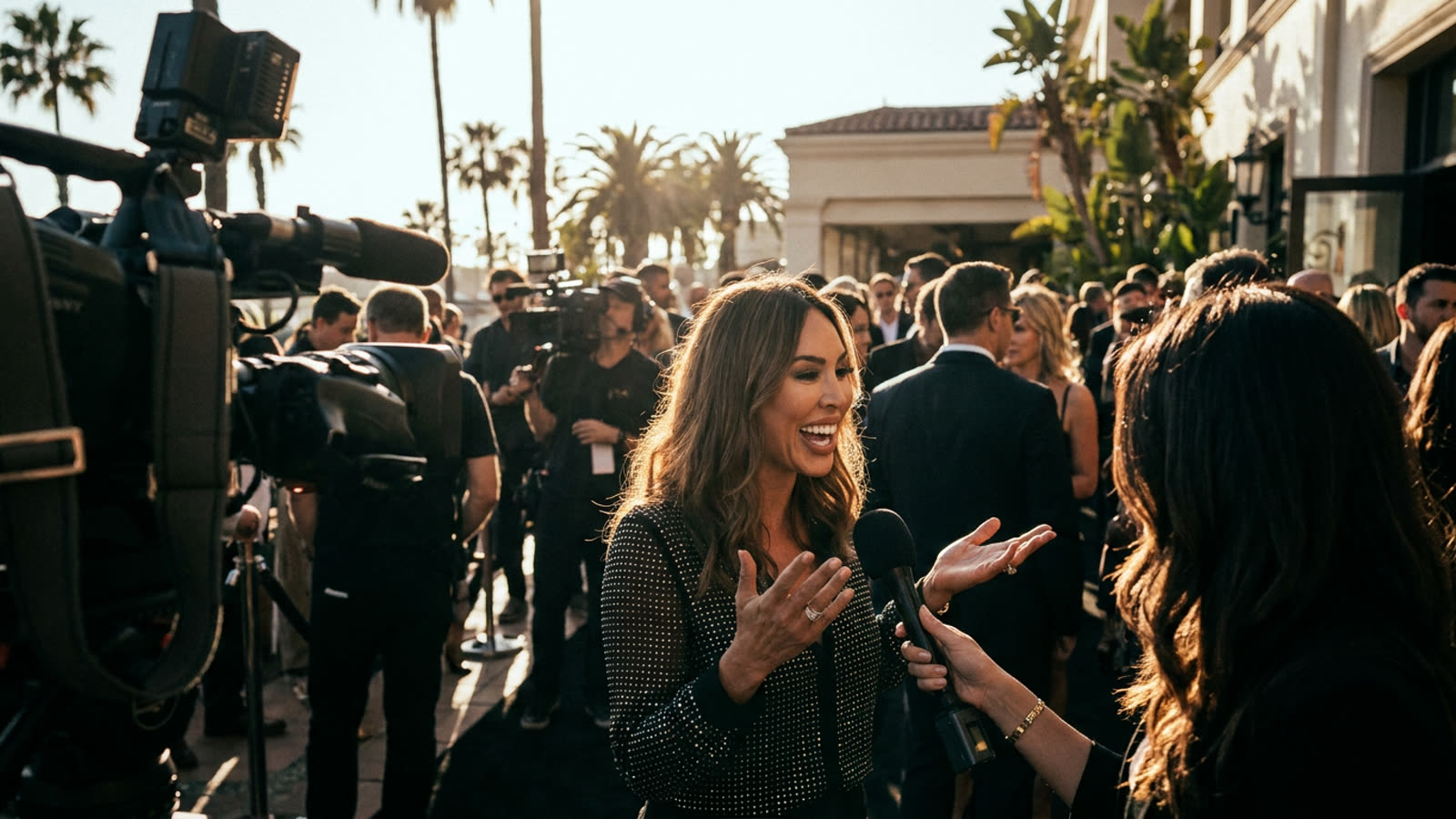
Kelly Dodd's career should be over by any conventional measure of professional consequence. The former Real Housewives of Orange County star has weathered COVID denialism, accusations of racism, a messy exit from the franchise in 2021, and the kind of tabloid omnipresence that typically signals a celebrity's final act. Five years later, she remains lodged in the reality television discourse like a splinter the industry cannot quite extract.
This is not a story about rehabilitation. It is a story about how the Bravo-adjacent universe has evolved into something that no longer requires rehabilitation at all.
The controversy-to-content pipeline
Dodd joined RHOC in 2016 and quickly established herself as the cast member most likely to generate headlines for reasons that made network executives nervous. Her tenure included physical altercations, inflammatory social media posts during the pandemic, and a wedding to conservative commentator Rick Leventhal that seemed designed to maximize cultural friction. Bravo parted ways with her after Season 15, citing the usual corporate euphemisms about "evolving" programming needs.
What followed was instructive. Rather than fading into the where-are-they-now obscurity that claims most dismissed Housewives, Dodd pivoted to podcasting, YouTube, and the sprawling ecosystem of reality TV commentary that has become its own parallel industry. She remains a fixture at BravoCon-adjacent events, a reliable source for tabloid quotes about her former castmates, and a case study in how the attention economy rewards those who refuse to leave the room.
The new rules of reality fame
The traditional celebrity arc—rise, scandal, apology tour, either redemption or exile—no longer applies to reality television personalities. The genre has developed its own physics. Controversy generates engagement. Engagement generates relevance. Relevance, in the streaming era, is the only currency that matters.
Dodd's continued presence reflects a broader truth about the Housewives franchise and its imitators: the audience's relationship with these figures is not parasocial in the conventional sense. Viewers do not necessarily like these women. They find them watchable, which is an entirely different metric. The distinction explains why someone can be simultaneously cancelled and omnipresent.
Our take
Kelly Dodd is neither a cautionary tale nor a comeback story. She is simply what happens when an entertainment ecosystem optimizes for engagement over ethics. Bravo built a machine that converts human messiness into quarterly earnings, and it should surprise no one that the machine keeps running even after the network officially unplugs a particular unit. The Real Housewives universe does not forgive or forget—it just keeps filming, with or without the cameras.