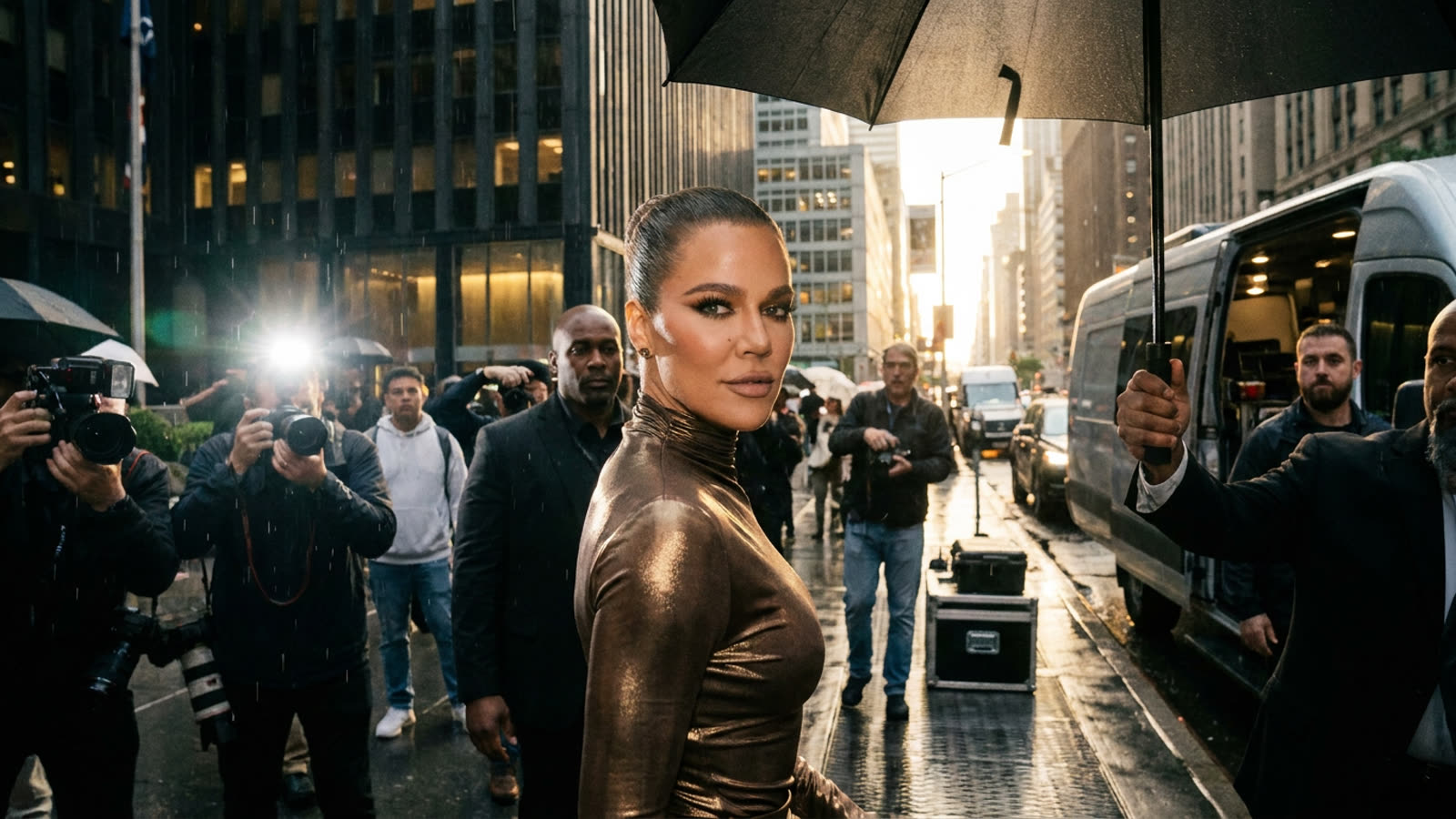
The Kardashian industrial complex runs on a single, inexhaustible fuel: the appearance of authentic connection in a family that has monetized every conceivable aspect of human experience. This week's latest dispatch from the empire—Kim and Khloé presenting yet another united front—is less heartwarming than it is strategically inevitable.
The sisters have spent nearly two decades perfecting the art of turning private moments into public commodities. What began with a sex tape and a reality show has evolved into a multi-billion-dollar conglomerate spanning shapewear, cosmetics, streaming content, and an ever-expanding constellation of brand partnerships. The through-line connecting all of it isn't entrepreneurial genius, though there's certainly some of that. It's the relentless performance of family.
The business of being close
Kris Jenner understood something early that most celebrity handlers miss: audiences don't actually want to see the rich and famous living lives completely alien to their own. They want to see recognizable family dynamics—the bickering, the reconciliations, the holiday gatherings—played out with better lighting and more expensive real estate. Every public display of Kardashian sisterhood reinforces the brand's core promise: these people are just like you, except they're wearing Balenciaga.
The timing of any given unity display is rarely accidental. When one sister faces public criticism, the others materialize with supportive Instagram stories. When a business venture launches, the family amplification machine activates with the precision of a military operation. Kim's SKIMS drops coordinate with Khloé's Good American promotions, which align with Kylie's cosmetics releases, creating a perpetual content ecosystem where supporting one sister means engaging with all of them.
The diminishing returns of authenticity
Seventeen years into this experiment, the formula shows signs of strain. The family's Hulu series, now deep into its run, struggles to generate the cultural conversation that "Keeping Up" once commanded. The children are growing into their own public personas, diluting the original cast's dominance. And the broader celebrity landscape has fragmented so thoroughly that even the Kardashians' formidable media presence can't command the attention it once did.
Yet they persist, because the alternative—genuine privacy, actual boundaries, the luxury of family relationships that exist outside the content calendar—would mean dismantling the very architecture that made them rich. The Kardashians are trapped in a prison of their own construction, one with excellent amenities but no exit.
Our take
There's something almost admirable about the Kardashians' commitment to their particular form of emotional capitalism. They've never pretended to be anything other than what they are: a family that turned itself into a product and has been iterating on that product ever since. The latest sisterly solidarity isn't cynical, exactly—the affection is probably real enough. But it's also never just affection. In the Kardashian universe, love is always also content, and content is always also commerce. The rest of us get to decide whether we're buying.