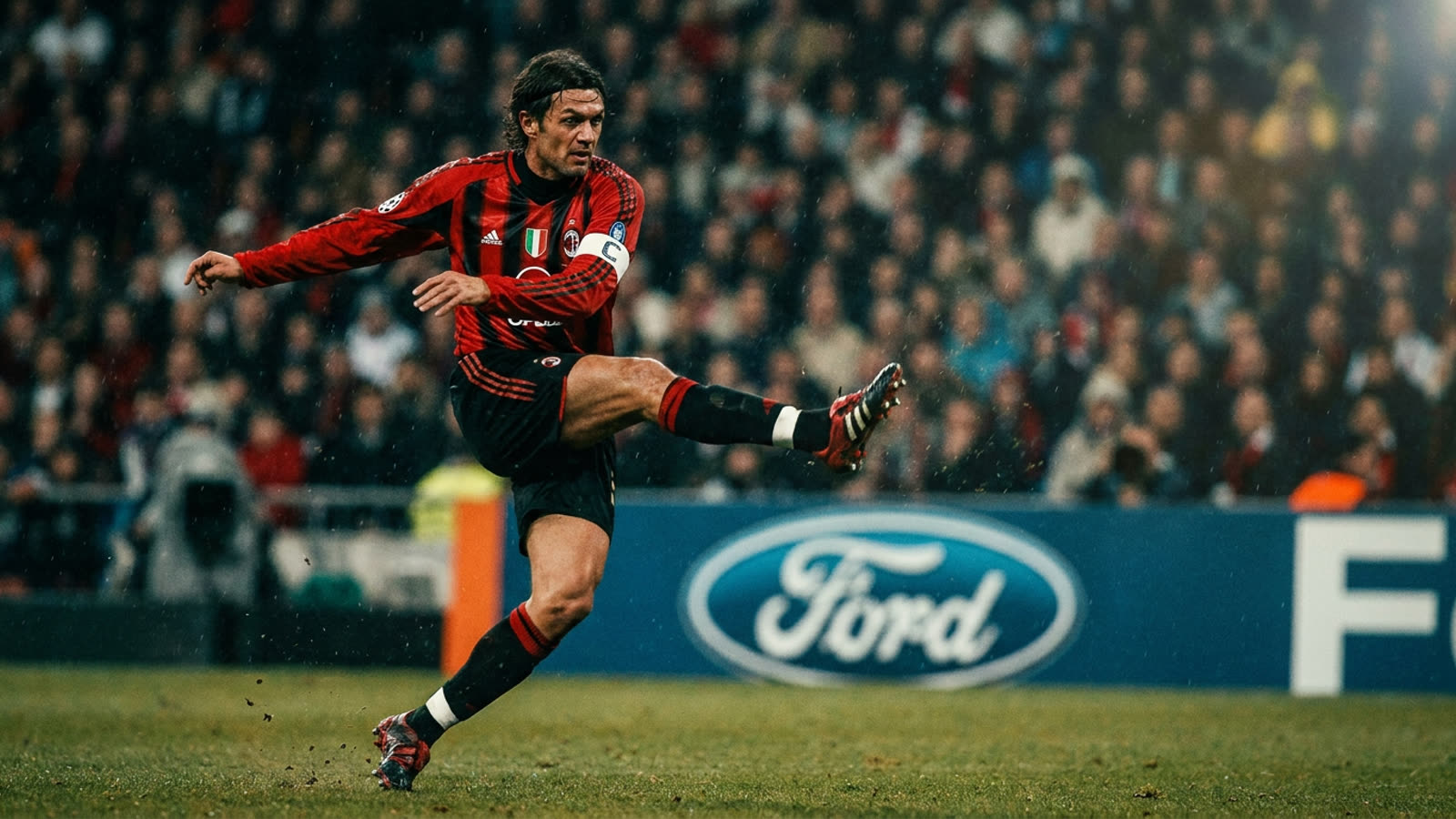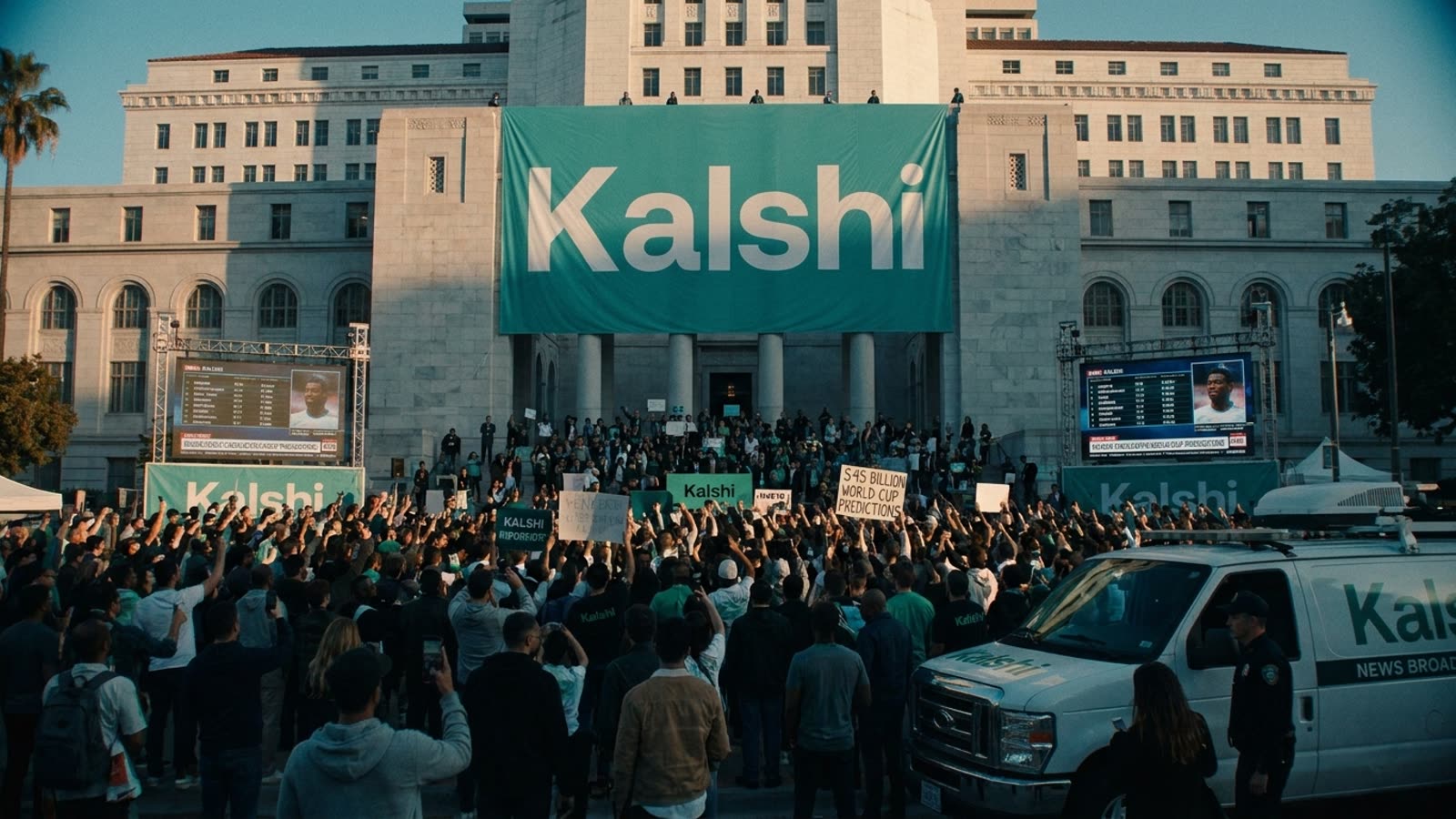
The World Cup has always been a quadrennial festival of national fervor, tactical arguments, and ill-advised wagers. But 2026 is adding a new subplot: the tournament is turbocharging prediction markets into a genuine financial phenomenon, with Kalshi and Polymarket combining for $45 billion in trading volume during June alone—a 75 percent surge from May.
The timing is not coincidental. Prediction markets thrive on discrete, time-bound events with clear outcomes, and nothing delivers those conditions quite like a knockout-round penalty shootout or a group-stage goal-difference tiebreaker. Where traditional sportsbooks offer fixed odds and vigorish, prediction markets let participants trade contracts like securities, adjusting prices in real time as information flows. It turns out that watching Christian Pulisic curl one into the top corner is even more engaging when you can immediately sell your "USA advances" contract at a profit.
The regulatory tailwind
Kalshi's ascent has been particularly notable. The CFTC-regulated exchange spent years fighting for the right to list event contracts on everything from elections to economic data, and its legal victories have coincided with a cultural moment when Americans are newly comfortable treating speculation as entertainment. Polymarket, operating offshore with a crypto-native architecture, has captured a different demographic—one that views on-chain settlement as a feature, not a regulatory workaround. Together, they've demonstrated that prediction markets are no longer a niche curiosity for quant-adjacent hobbyists.
The World Cup's month-long structure is ideal for this model. Unlike a single Super Bowl or Champions League final, the tournament offers dozens of tradable events across weeks, allowing volume to compound as participants reinvest winnings and hedgers adjust positions. June's group stage alone produced 48 matches, each generating its own micro-market for outcomes, goal totals, and player props.
What the money is actually doing
The $45 billion figure deserves some context. Prediction market volume is not the same as assets under management or even net betting handle—contracts trade back and forth, and a single dollar can generate multiple dollars of volume as positions change hands. But the growth rate is the real signal. A 75 percent month-over-month increase suggests the platforms are capturing new users, not just churning existing ones. Kalshi has reportedly seen its sports-related contracts triple in open interest since the tournament began, while Polymarket's World Cup markets have become its most liquid offerings.
The crypto dimension matters here. Polymarket's stablecoin-denominated contracts appeal to a generation that holds USDC as a savings vehicle and views decentralized settlement as philosophically preferable to trusting a Vegas sportsbook. For these users, betting on Brazil versus Argentina is just another form of on-chain activity, no different in kind from providing liquidity on Uniswap or minting an NFT. The World Cup is teaching them that prediction markets can be fun.
Our take
Prediction markets have spent two decades as the perpetual "next big thing" in finance, always promising to aggregate information more efficiently than polls or pundits, always stumbling over regulatory skepticism and thin liquidity. The World Cup is proving that the missing ingredient was never technology or theory—it was simply a reason for normal people to care. Sports provide that reason in abundance. If Kalshi and Polymarket can convert even a fraction of their June traders into habitual users for elections, economic data, and corporate earnings, they'll have built something more durable than a tournament novelty. The house still wins, of course. But now there are more houses, and they're competing on spreads.