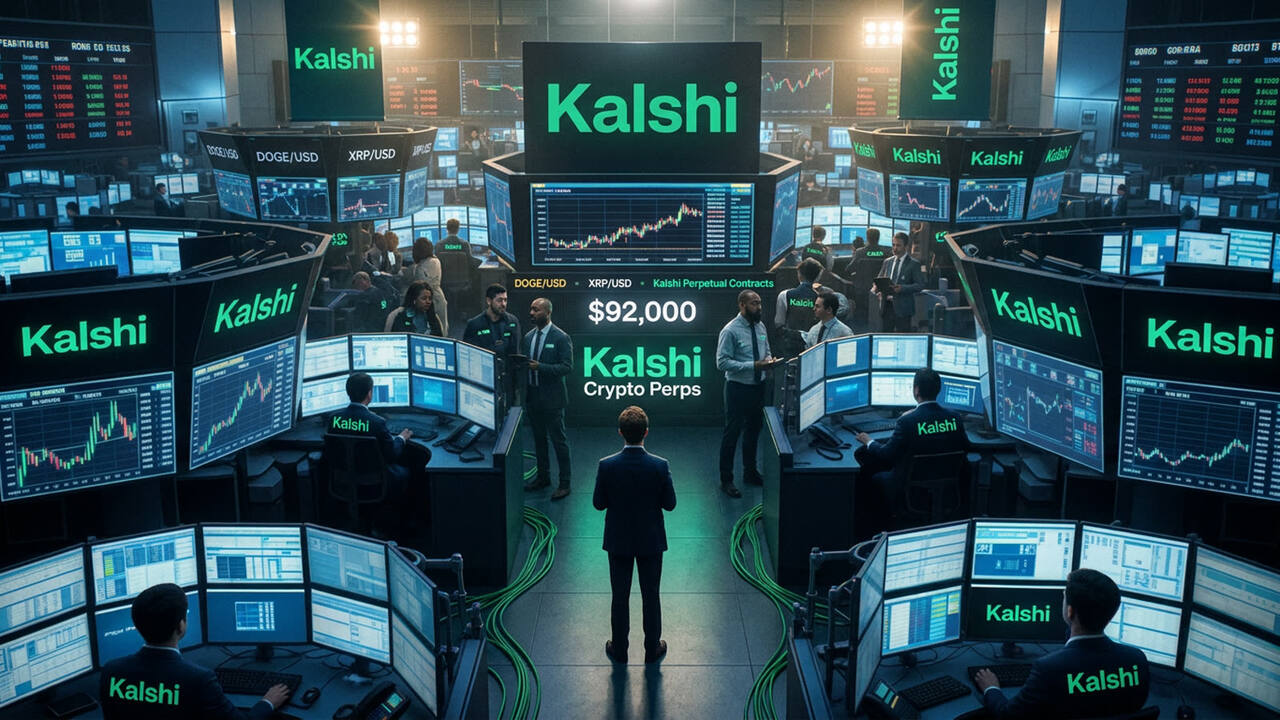
The line between prediction markets and crypto derivatives is dissolving faster than most regulators anticipated. Kalshi, the New York-based exchange that spent years fighting for legitimacy in the prediction market space, is now eyeing an aggressive expansion into altcoin perpetual contracts—including products tied to XRP, Dogecoin, and a roster of other tokens that would have seemed unthinkable on a CFTC-regulated venue just eighteen months ago.
The move follows Kalshi's recent approval to offer Bitcoin perpetual contracts, a milestone that signaled the Commodity Futures Trading Commission's willingness to let regulated entities compete directly with offshore crypto exchanges. But Bitcoin was always the easy case—the digital asset most likely to pass regulatory muster. The altcoin push represents something more audacious: a bet that even meme coins can find a home in the compliance-first financial infrastructure that American regulators have spent years constructing.
The offshore arbitrage
Kalshi's strategy makes sense when you consider where crypto derivatives volume actually lives. Platforms like Binance, Bybit, and OKX dominate perpetual futures trading, handling tens of billions of dollars daily in contracts that American retail traders technically cannot access. The offshore advantage has always been regulatory arbitrage—these platforms offer leverage, product variety, and speed that domestic venues cannot match.
By securing approval for altcoin perpetuals, Kalshi is attempting to claw back some of that volume. The exchange's pitch to regulators has consistently emphasized consumer protection: better to have American traders speculating on Dogecoin through a regulated venue than funneling funds to Seychelles-based platforms with questionable custody practices. Whether the CFTC buys this argument for tokens that originated as jokes remains to be seen.
The product pipeline
Kalshi has not disclosed a precise timeline, but the exchange is reportedly preparing contracts for XRP, Dogecoin, and several other altcoins with sufficient liquidity to support derivatives markets. The technical infrastructure for perpetual contracts already exists from the Bitcoin product launch; the remaining hurdles are regulatory and commercial.
XRP presents an interesting test case. The token's legal status was clarified—at least partially—by the 2023 Ripple decision, which found that programmatic sales to retail investors did not constitute securities transactions. That ruling gave exchanges more confidence to list XRP spot products, and Kalshi appears to be betting it provides sufficient cover for derivatives as well. Dogecoin, meanwhile, has never faced serious securities scrutiny, though its meme-coin status raises questions about whether regulators will view perpetual contracts as legitimate hedging instruments or simply gambling by another name.
Our take
Kalshi's altcoin ambitions reveal something important about where American crypto regulation is heading: toward accommodation rather than prohibition, at least for venues willing to operate within the compliance perimeter. The CFTC has consistently proven more receptive to crypto innovation than the SEC, and Kalshi's ability to secure Bitcoin perpetuals approval suggests the agency is comfortable with derivatives on assets it considers commodities. Whether that comfort extends to Dogecoin—a token whose value proposition is essentially collective irony—will tell us how far the regulatory thaw actually goes. The offshore exchanges should be watching closely.