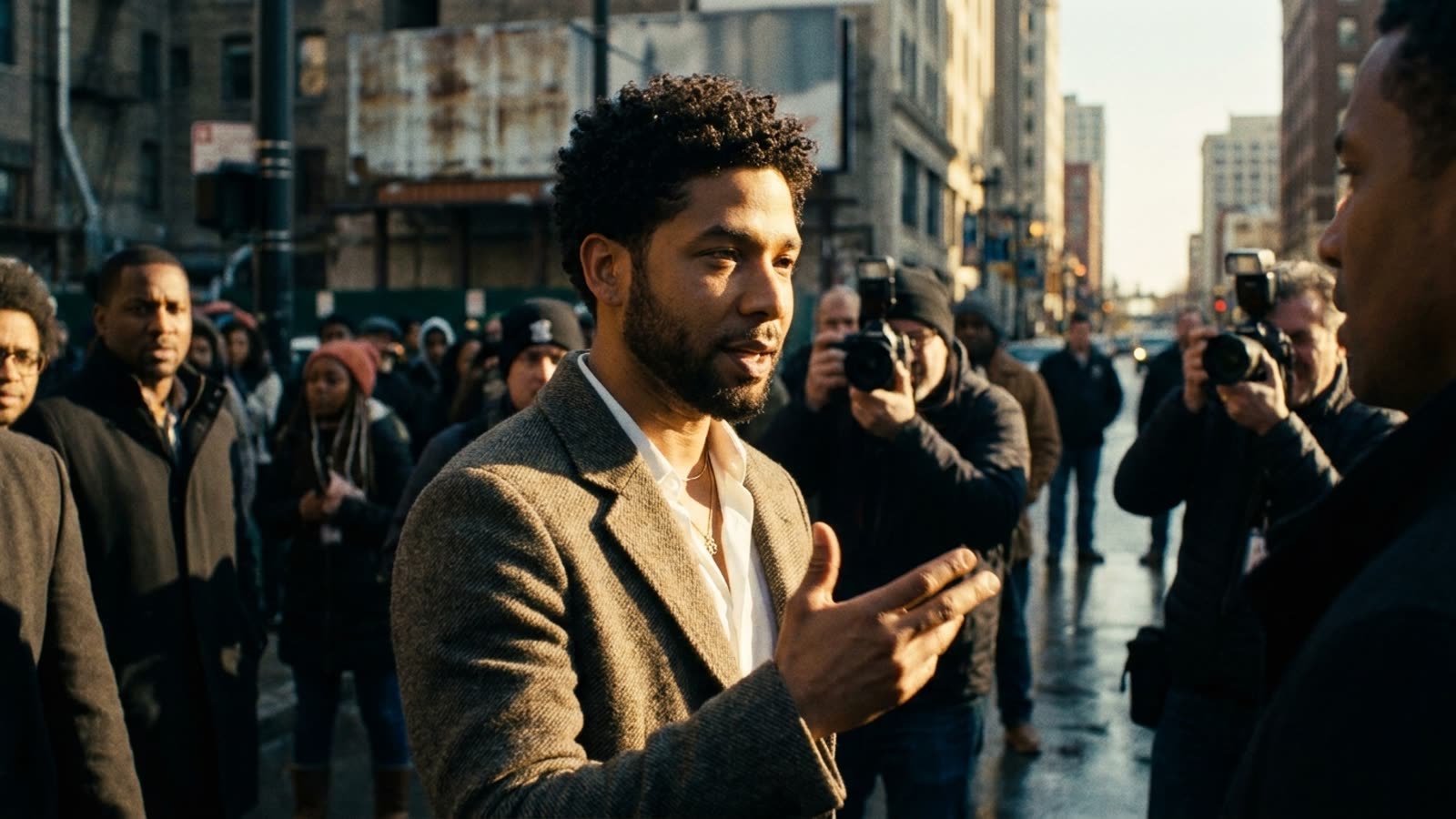
Three years after his conviction for staging a hate crime against himself became one of the most bizarre celebrity scandals of the decade, Jussie Smollett has chosen to re-enter public life not through an apology tour or a quietly released indie project, but through the most traditional of celebrity rehabilitation tools: a high-profile romance with someone whose entire brand is built on emotional intelligence and redemption.
Karamo Brown, the culture expert on Netflix's Queer Eye reboot, has built a decade-long career on the premise that everyone deserves understanding, that difficult conversations can lead to growth, and that no one is beyond the reach of compassion. Dating him is not just a personal choice for Smollett—it is a statement.
The optics are impossible to ignore
Smollett's fall was spectacular even by Hollywood standards. In January 2019, he reported being the victim of a racist and homophobic attack in Chicago. Within weeks, the narrative collapsed. He was charged with filing a false police report, and the subsequent legal saga—including a special prosecutor, a conviction, jail time, and ongoing appeals—has kept his name synonymous with deception rather than the promising career he once had on Empire.
Brown, meanwhile, has become one of the most visible advocates for grace in public discourse. His Queer Eye segments routinely feature him sitting with people whose views might seem irredeemable, finding common ground, modeling the kind of patience that makes good television precisely because it seems so rare. For Smollett to emerge from his exile on Brown's arm is to borrow that entire vocabulary of forgiveness without having to articulate it himself.
Hollywood's forgiveness economy
The entertainment industry has always had a complicated relationship with second acts. Mel Gibson directed an Oscar-nominated film a decade after his antisemitic tirade. Robert Downey Jr. rebuilt himself into the highest-paid actor in Hollywood after years of addiction and legal trouble. The formula typically requires time, contrition, and a project good enough to make audiences willing to separate art from artist.
Smollett has offered none of the traditional ingredients. He has maintained his innocence despite the conviction. He has not retreated into charity work or emerged with a confessional memoir. Instead, he has simply waited—and now appeared with a partner whose professional identity is built on the idea that waiting for someone to change is worthwhile. It is, in its way, a kind of genius. Why apologize when you can simply be loved by someone famous for believing in the possibility of apology?
Our take
Whether this relationship is genuine, strategic, or some combination that only the two of them understand is ultimately beside the point. What matters is that Smollett has found a way back into the conversation without addressing the reason he left it. Brown's presence does the emotional labor that Smollett has refused to do himself. For those who believe Smollett was wrongly convicted, this is a love story. For those who believe he orchestrated a hoax that damaged real victims of hate crimes, it is a reminder that celebrity operates by different rules. Either way, Jussie Smollett is no longer invisible—and that, more than any verdict, is what he has always seemed to want most.