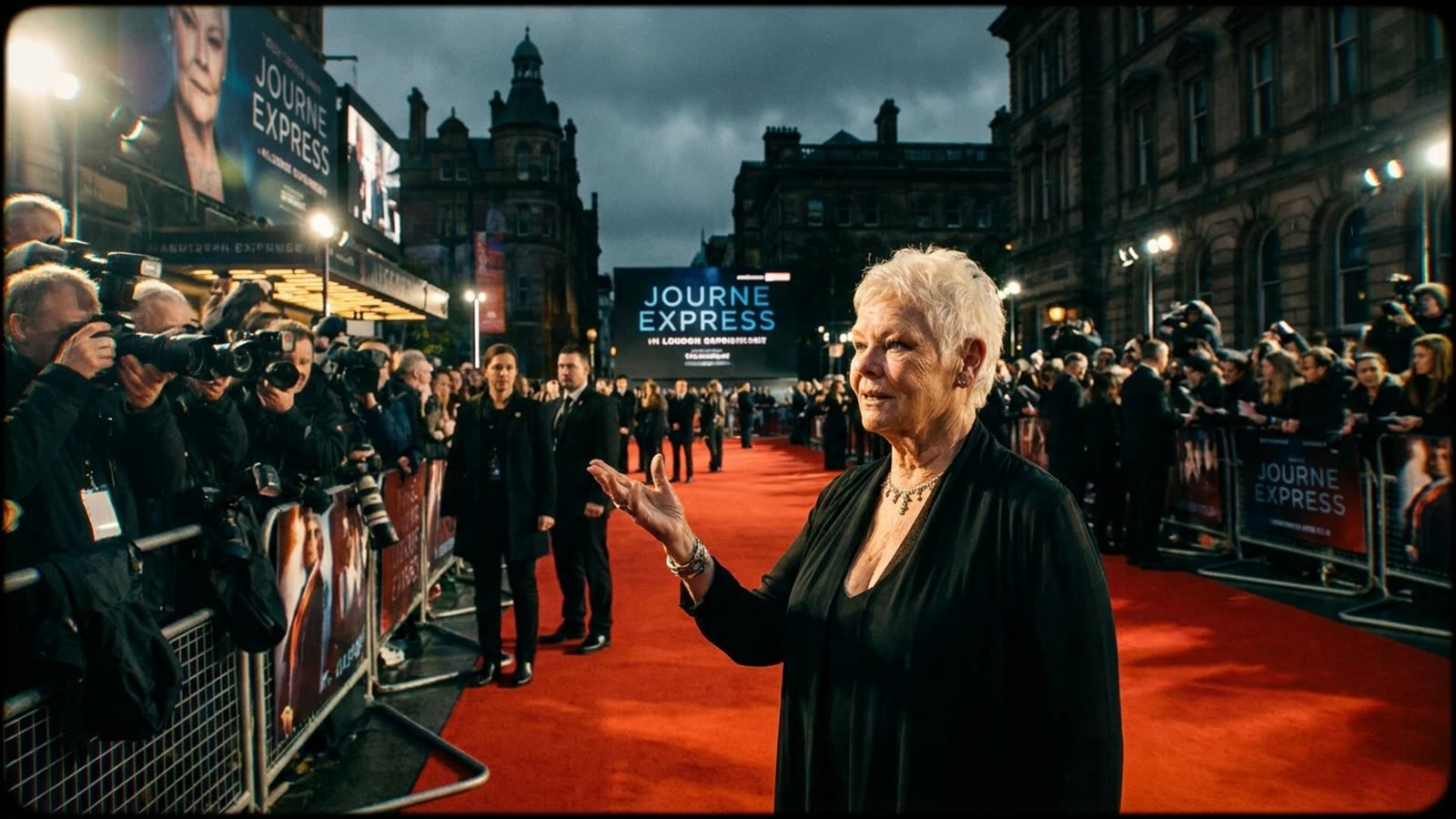
Dame Judi Dench has, at 91, apparently decided that life is too short for diplomatic silence about Tom Hooper's 2019 Cats. In her forthcoming memoir Is It Too Late to Make a Run For It?, the actress who played Old Deuteronomy delivers the verdict that audiences rendered opening weekend: the film was, in her words, "a waste" of Andrew Lloyd Webber's "goodwill and talent."
"Oh God, I can't bear it," she writes, which is precisely what millions of viewers said before walking out of theaters or, more commonly, hate-watching the digital fur technology melt in real time on their screens.
The Disaster That Keeps Giving
The 2019 Cats has achieved a rare status in Hollywood history: a film so comprehensively awful that discussing it has become a bonding ritual. Made for roughly $95 million, it grossed just $75 million worldwide and swept the Razzies with six wins, including Worst Picture. The visual effects were so unfinished at release that Universal took the extraordinary step of sending theaters an updated version days after opening—a patch for a movie, as if cinema had become software.
What made Cats singular wasn't merely that it failed, but how it failed. The "digital fur technology" that Hooper championed produced images that seemed designed in a laboratory to trigger the uncanny valley. Human faces floated atop vaguely feline bodies with hands that were neither paws nor fingers. Scale shifted randomly. Cockroaches with children's faces were consumed on screen. Jennifer Hudson's snot glistened with unnerving fidelity while her body proportions defied physics.
Why Dench's Honesty Matters
Actors rarely criticize their own films this directly, particularly when the director (Hooper) previously guided them to an Oscar, as he did with Dench's supporting turn in Les Misérables. The usual playbook involves vague references to "challenging shoots" or "ambitious visions." Dench's bluntness suggests either the freedom of her ninth decade or a genuine sense of betrayal on behalf of Lloyd Webber, whose stage musical has grossed billions and delighted audiences since 1981.
Her comments also arrive as Hollywood grapples with the limits of CGI spectacle. The Cats debacle became a cautionary tale cited in industry circles whenever technology threatens to overwhelm storytelling. That a performer of Dench's stature is willing to name the failure publicly reinforces what visual effects artists have said privately: no amount of rendering power can rescue a conceptually broken project.
Our take
Dench calling Cats unbearable is less revelation than confirmation—a four-star general finally admitting the battle was lost from the first charge. What makes her candor valuable is its rarity. Hollywood runs on mutual back-scratching and the polite fiction that every project was a meaningful creative journey. Dench, with nothing left to prove and a memoir to sell, has chosen truth over diplomacy. The film remains a monument to hubris, a $95 million lesson in the difference between "can we do this?" and "should we do this?" That one of its stars now publicly wishes she'd made a run for it is the epilogue the disaster always deserved.