The details in the police report are grimly familiar to anyone who has followed the NFL's decades-long reckoning with domestic violence: an argument that escalated, a woman allegedly thrown, hands around a neck, and a professional football player whose employer will now have to decide how much it cares.
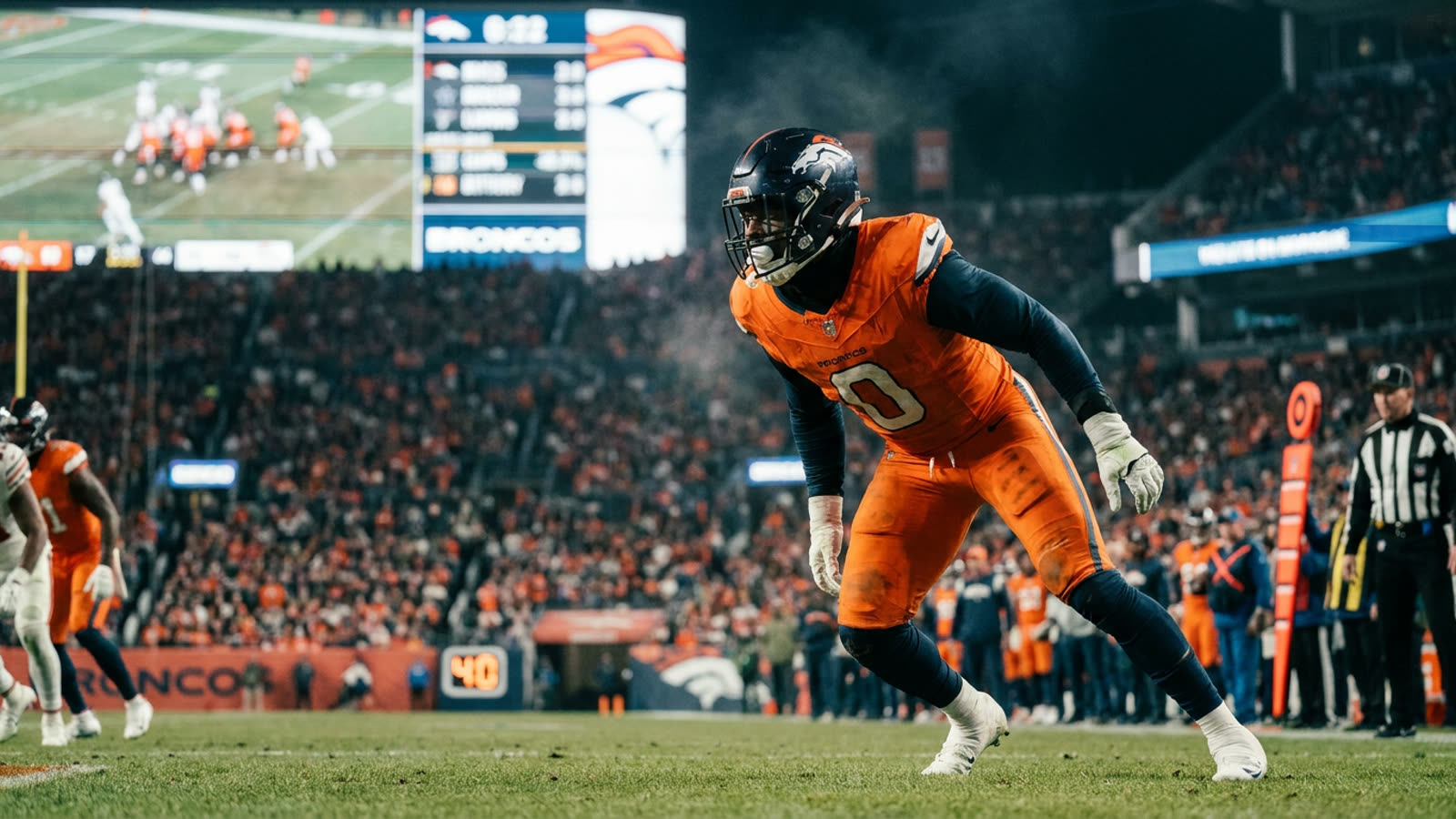
Jonathon Cooper's girlfriend has accused the Denver Broncos linebacker of physically assaulting her during a dispute, claiming he threw her and lifted her by the neck. Cooper, a fourth-year player out of Ohio State who has been a rotational piece in Denver's defense, has not been arrested or charged as of this writing. The Broncos have issued the standard boilerplate about taking the matter seriously and monitoring developments.
The league's pattern recognition problem
The NFL has spent the better part of a decade insisting it reformed its approach to domestic violence after the Ray Rice elevator video forced Roger Goodell into a series of policy overhauls in 2014. The league implemented a baseline six-game suspension for first-time domestic violence offenses, created investigative protocols, and hired advisors. Yet the cases keep coming—Tyreek Hill, Kareem Hunt, Deshaun Watson's civil suits, and now Cooper—and the league's response remains situational, calibrated less to the severity of allegations than to the player's on-field value.
Cooper is not a star. He is a special-teams contributor and depth defender, the kind of player teams cut every September without a second thought. That actually makes this case interesting: will Denver treat a replaceable player the same way teams have treated indispensable ones, or will Cooper's expendability mean swifter consequences?
What happens next
Colorado law and the NFL's personal conduct policy operate on different timelines. Criminal investigations can take months; the league can act faster if it chooses, placing Cooper on the Commissioner's Exempt List while it conducts its own inquiry. Whether it does so will say more about the NFL's current posture than any press release.
The Broncos, for their part, are in the middle of a rebuild under Sean Payton and have little incentive to invite a distraction over a player who logged fewer than 300 defensive snaps last season. The path of least resistance is a quiet release once the news cycle moves on.
Our take
The NFL's domestic violence protocols were designed to give the league plausible deniability, not to protect women. When the accused is a superstar, the process stretches; when he is a roster bubble player, the team can simply move on and call it accountability. Jonathon Cooper's case will likely be resolved quickly and quietly, which is not the same thing as being resolved justly. The league's real test has never been how it handles the expendable. It is how it handles the irreplaceable—and on that count, the record remains damning.