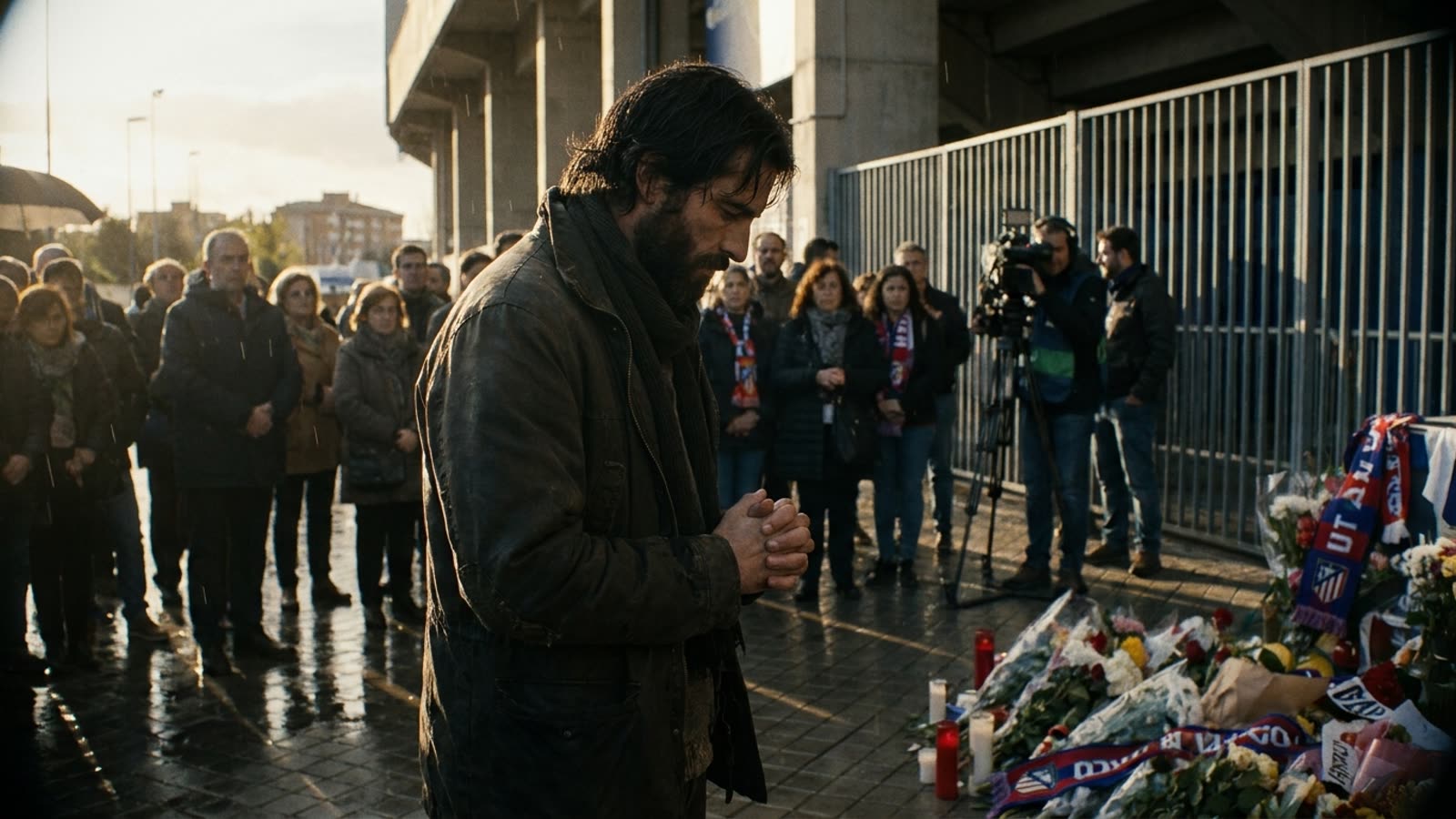
Football has perfected the art of the tribute. The black armbands, the minute's silence, the tasteful social media graphic. What it has not mastered is preventing the occasions that require them.
Jesus de Miguel, a 30-year-old striker for Tenerife, died on Tuesday following a cardiac arrest suffered during a match the previous day. The collision that preceded his collapse was not exceptional — the kind of physical contact that happens dozens of times per game, unremarkable until it becomes catastrophic. He was treated on the pitch, rushed to hospital, and never recovered. The match, one assumes, continued after an appropriate pause.
The pattern nobody wants to see
De Miguel's death arrives in a sport that has experienced a disturbing cluster of on-field cardiac events in recent years. Christian Eriksen's collapse at Euro 2020 — he survived, thanks to rapid defibrillation — briefly focused attention on cardiac screening protocols. Sergio Agüero's retirement following an arrhythmia diagnosis in 2021 raised similar questions. Yet the conversation invariably fades, replaced by transfer speculation and league tables.
The uncomfortable truth is that elite football places extraordinary cardiovascular demands on bodies that are screened but not invulnerable. Hypertrophic cardiomyopathy, the condition most commonly implicated in sudden cardiac death among young athletes, can evade even rigorous testing. A collision that disrupts heart rhythm — commotio cordis — requires no underlying condition at all, merely terrible timing.
What the sport owes its players
FIFA mandates cardiac screening for international competitions. Domestic leagues vary in their requirements. But screening catches only what it is designed to find, and medicine cannot yet predict every failure. What football can control is response time: the presence of defibrillators pitchside, the training of staff, the willingness to halt play immediately rather than assess whether the situation is "serious enough."
Tenerife will retire De Miguel's number. His teammates will wear commemorative patches. The club will issue statements about a "family" devastated by loss. These gestures are sincere and also insufficient — rituals that allow the sport to process grief without examining its causes.
Our take
De Miguel's death is not a scandal requiring investigation or a crisis demanding reform. It is something worse: a reminder that football, like all contact sports, carries irreducible risk. The honest response is not to pretend the game can be made perfectly safe, but to ensure that when the worst happens, every possible measure was already in place. Whether Tenerife met that standard will emerge in time. Whether football as an institution takes this death as another data point or another wake-up call is, based on precedent, depressingly predictable.