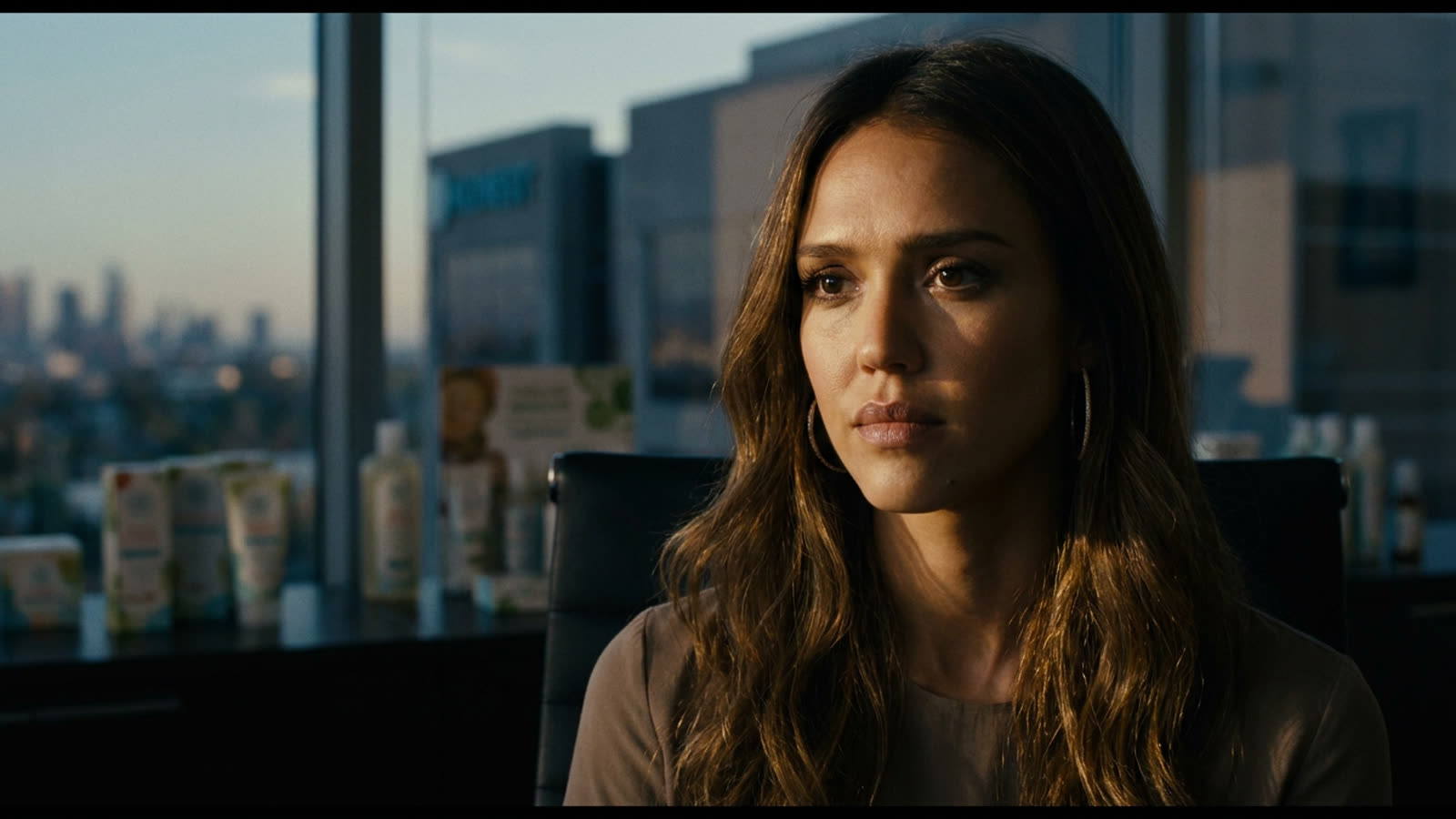
When Jessica Alba co-founded The Honest Company in 2011, the pitch was simple: non-toxic household and baby products, delivered to your door, at prices that didn't require a hedge fund salary. The pitch worked well enough to generate a billion-dollar valuation, a splashy Nasdaq IPO in 2021, and a cult following among millennial parents who'd become allergic to ingredient lists they couldn't pronounce.
Then reality arrived. The stock, which opened near $23 per share, slid into the low single digits. Supply chain problems, rising competition from private-label giants, and questions about whether the "clean" category had staying power combined to make The Honest Company a cautionary tale about celebrity-driven consumer brands.
But Alba never fully stepped back — and that, it turns out, may have been the company's most underappreciated asset.
The buyout and what came next
In late 2024, Natura &Co — the Brazilian conglomerate that also owns The Body Shop and Avon — acquired The Honest Company in a deal that valued the brand at a fraction of its IPO peak. The acquisition was framed as a rescue, but insiders describe it differently: a reset. Natura saw in The Honest Company exactly what it needed — a credible American entry point into the premium clean-beauty and wellness market, with a face that consumers actually recognized and trusted.
Alba remained involved as a creative and brand ambassador, a role that suits her better than operational CEO duties ever did. The company has since quietly expanded its product lines into skin care, supplements, and what it calls "conscious home" — a category that blends non-toxic cleaning products with the kind of aesthetic sensibility that performs well on Instagram and TikTok.
The wellness economy's second act
The timing is, oddly, good. The clean-product movement that Alba helped popularize has matured from a niche preoccupation into a mainstream expectation. A 2025 consumer survey found that 67% of parents under 40 now check product ingredient labels "always" or "frequently," up from 41% in 2018. Regulatory pressure in the US and EU has accelerated reformulations across the industry, giving companies like The Honest Company the tailwind of being early.
"We basically forced the industry to move," Alba told an audience at a wellness conference in Los Angeles earlier this year. "The fact that the big guys are now doing clean versions of everything — that's not competition. That's validation."
She said it without apparent bitterness, which is either a sign of genuine equanimity or masterful brand management. Probably both.
What Alba is actually building now
Beyond The Honest Company, Alba has been quietly expanding her personal investment portfolio into women's health tech and sustainable fashion. She sits on the board of two early-stage startups and has backed a Series A in a femtech company focused on perimenopause — a category that has seen explosive investor interest as the demographic reality of aging millennials becomes impossible to ignore.
The common thread is less about celebrity licensing and more about what she describes as "building for the person I used to be" — a young woman who wanted better options and couldn't always afford or find them.
Whether The Honest Company becomes the turnaround story of the decade or a footnote depends on execution. But the underlying thesis — that transparency, sustainability, and design can coexist in mass-market consumer products — has never looked more prescient.
Jessica Alba didn't invent the clean economy. She just bet on it before it was a sure thing.
Our take
The Honest Company's journey is a useful lens for understanding how celebrity-founded consumer brands actually survive long-term: not by trading on fame, but by being right about something early. Alba was right. The market caught up. The question now is whether the brand can grow into that vindication — or whether being a pioneer counts for less than being the biggest.