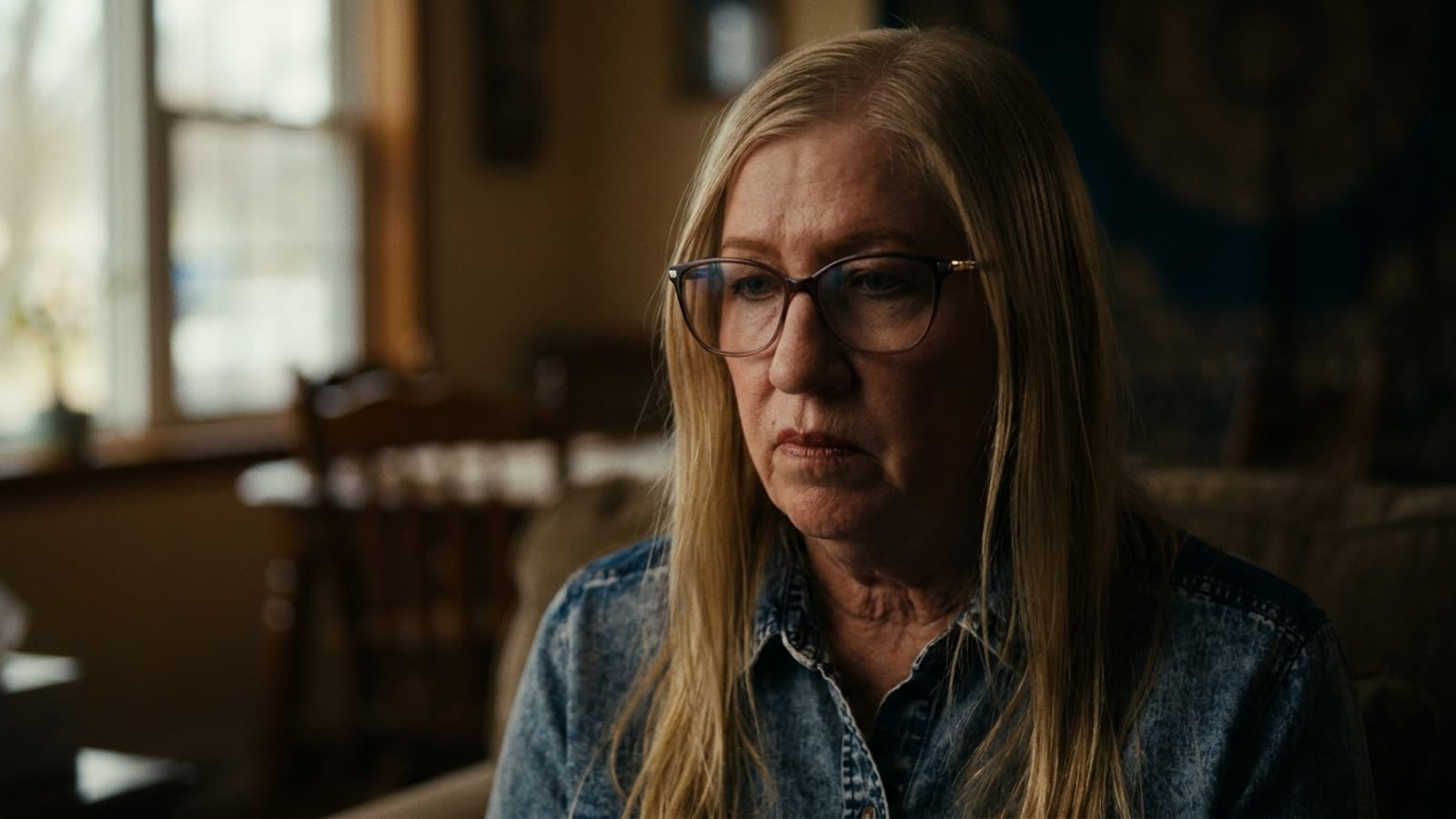
Reality television promises transformation — the ugly duckling finds love, the overlooked becomes adored, the lonely discovers their person against impossible odds. Jenny Slatten, the 65-year-old grandmother from Palm Springs who captured audiences by uprooting her life to marry Sumit Singh in India, embodied that promise completely. Now she embodies something else: the brutal truth that the cameras we invite in for our triumphs rarely look away for our tragedies.
Slatten has revealed she has been diagnosed with amyotrophic lateral sclerosis, the progressive neurodegenerative disease that gradually robs patients of their ability to move, speak, and eventually breathe. There is no cure. The average life expectancy after diagnosis ranges from two to five years.
The architecture of public intimacy
Slatten first appeared on 90 Day Fiancé: The Other Way in 2019, a woman in her late fifties who had fallen in love online with a man three decades her junior. The premise invited mockery — and the show's producers knew it. Yet something unexpected happened: audiences rooted for her. Through visa complications, family disapproval, and years of setbacks, Slatten's genuine vulnerability transformed skeptics into supporters. She and Sumit finally married in 2022.
That vulnerability was always the product being sold, of course. Reality television's economy runs on emotional exposure. Participants trade their privacy for platform, their struggles for storylines. The transaction seems fair enough when the arc bends toward happiness. But the contract contains no exit clause for when life turns genuinely dark.
The franchise's uneasy history with illness
The 90 Day Fiancé universe has confronted serious health crises before, though rarely with this finality. Cast members have shared cancer diagnoses, surgeries, and chronic conditions — content that drives engagement while raising uncomfortable questions about exploitation versus awareness. The franchise's sprawling ecosystem of spin-offs and social media extensions means participants never truly leave the public eye, even when they might prefer to.
Slatten's diagnosis arrives at a moment when she and Sumit had finally achieved the stability their storyline always promised. They were no longer the couple fighting for permission to be together; they were simply together. ALS rewrites that narrative entirely, introducing a countdown clock to a relationship that spent years fighting for more time.
Our take
There is no graceful way to say this: Jenny Slatten will likely die on camera, or at least in its long shadow. The audience that watched her fall in love will watch her decline. Some will find this voyeuristic; others will call it community. Perhaps it is both. What it certainly is, is the logical conclusion of a genre built on the premise that ordinary lives become extraordinary when witnessed. Slatten gave the cameras her joy. Now they will have her grief too. The only question is whether the viewers who cheered her happiness will stay for what comes next — and whether their presence will be comfort or intrusion. Probably, again, both.