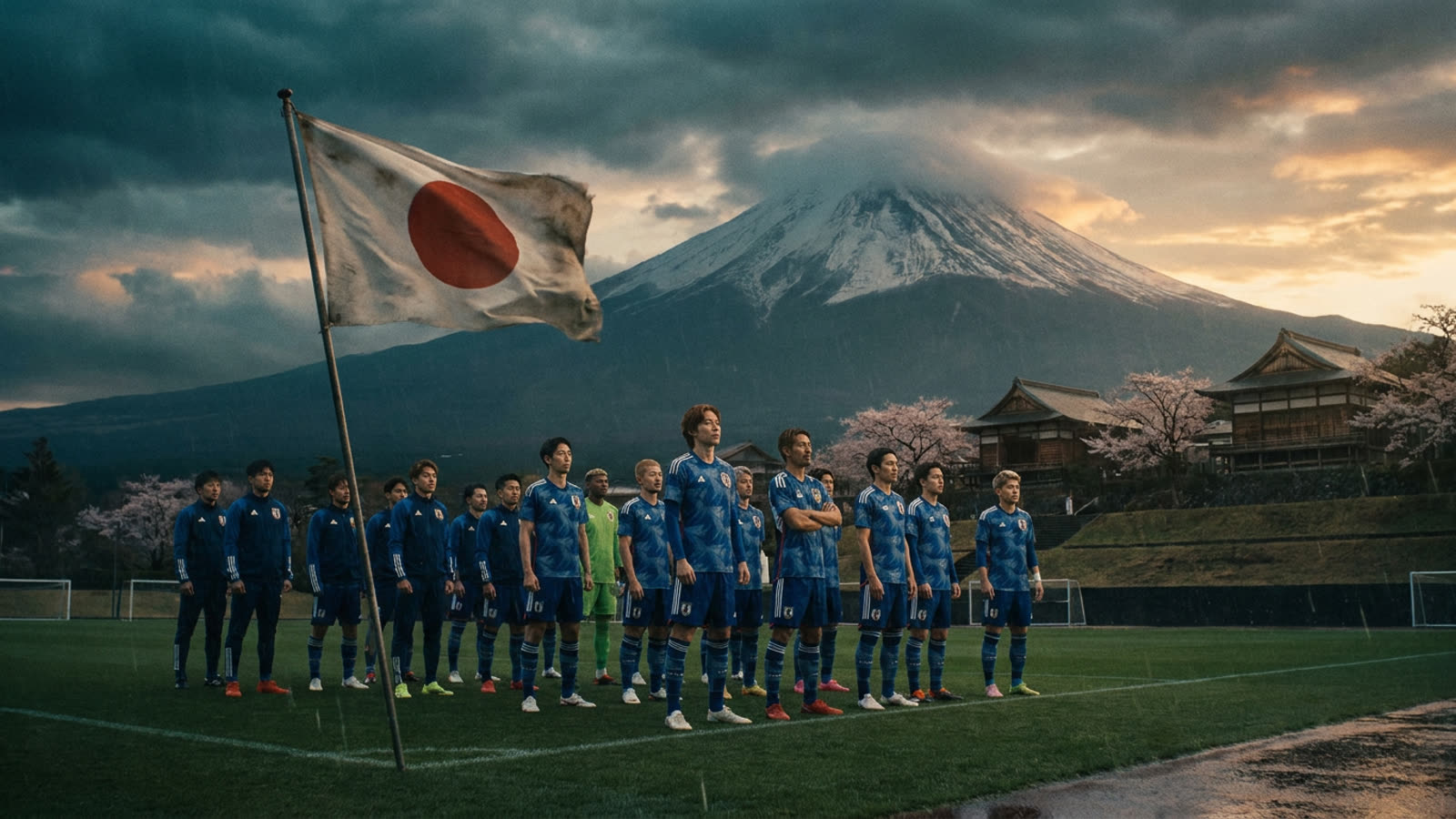
For 87 minutes in Houston, Japan had Brazil exactly where they wanted them: frustrated, frantic, and staring at the most humiliating World Cup exit in their history. That the Seleção eventually escaped with a 2-1 victory and passage to the round of 16 says less about Brazilian brilliance than it does about how far Japanese football has traveled in a single generation.
The Blue Samurai took the lead. They absorbed pressure with the discipline of a side that has spent years studying European tactical theory. They created chances on the counter that a decade ago would have been squandered through nervousness. And when Brazil finally broke through with a late equalizer before snatching the winner in stoppage time, the Japanese players looked not devastated but disappointed — the body language of a team that expected to win, not one grateful merely to compete.
The quiet revolution in Japanese football
Japan's transformation has been methodical rather than meteoric. The J.League, now in its fourth decade, has become a genuine finishing school rather than a retirement home for fading stars. The national team's spine features players at Barcelona, Real Sociedad, Liverpool, and Monaco — not as curiosities but as starters. Manager Hajime Moriyasu has built a system that marries Japanese technical precision with the high-pressing intensity that now defines elite European football.
What made the Brazil match remarkable was not that Japan competed, but how they competed. They won the midfield battle for long stretches. They pressed Vinícius Júnior into anonymity for an hour. They treated the five-time world champions not as mythical figures but as a tactical problem to be solved.
What this means for Asian football
Japan's near-miss arrives alongside South Korea's strong group-stage showing and Saudi Arabia's continued post-2022 momentum. The 2034 World Cup, to be hosted by Saudi Arabia, will take place in a region that no longer views the tournament as an aspirational exercise. Asian federations have invested billions in youth development, coaching infrastructure, and European scouting networks. The results are arriving ahead of schedule.
For Japan specifically, the question is no longer whether they can reach a World Cup quarterfinal — they did that in 2022 — but whether they can win one. Against Brazil, they demonstrated they have the tactical sophistication. What they lacked was the ruthlessness to kill the game when they had the chance.
Our take
Japan lost, and yet this was the most significant result of their World Cup so far. Moral victories are usually the consolation prize of teams going nowhere, but the Blue Samurai are clearly going somewhere. They have the players, the system, and increasingly the mentality. What they need now is the tournament luck that has always eluded Asian sides in knockout rounds. Brazil survived; Japan served notice. The gap between them is no longer a chasm — it is a late goal.