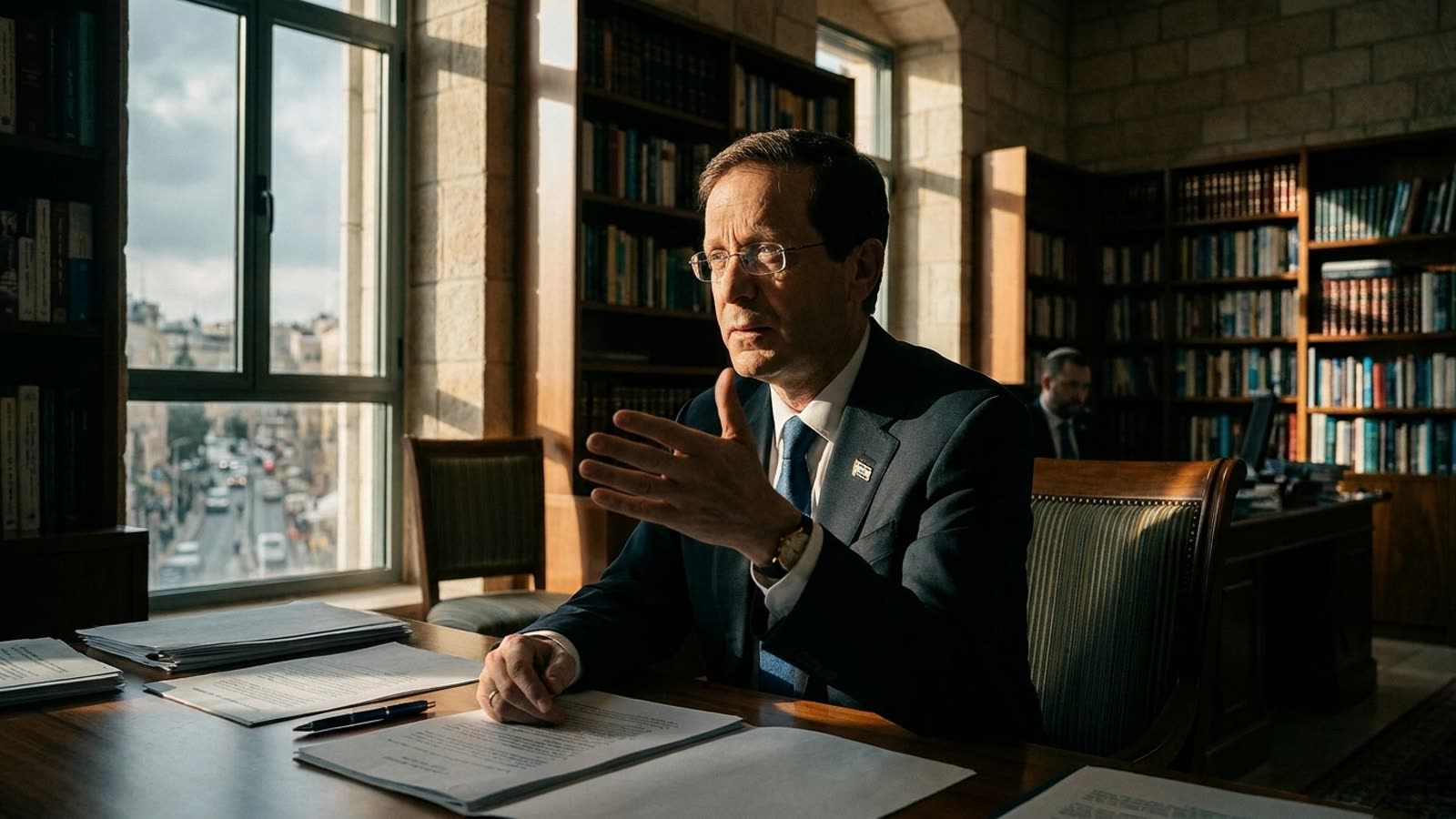
The ballots are still being counted, but the outcome of Israel's election is already clear: nobody won. Exit polls and partial results show Prime Minister Benjamin Netanyahu's right-wing bloc and Gadi Eisenkot's opposition coalition both falling short of the 61 seats required to govern. The arithmetic is brutal, and it hands an extraordinary burden to a figure most Israelis rarely think about — President Isaac Herzog.
In ordinary times, Herzog's role is ceremonial: ribbon-cuttings, state dinners, the occasional speech urging national unity. After elections, however, the president becomes the sole arbiter of who gets the first chance to form a government. He consults with party leaders, weighs the numbers, and taps a candidate. It is a power exercised perhaps once a decade in genuinely contested circumstances. This is one of those moments.
The numbers that broke the system
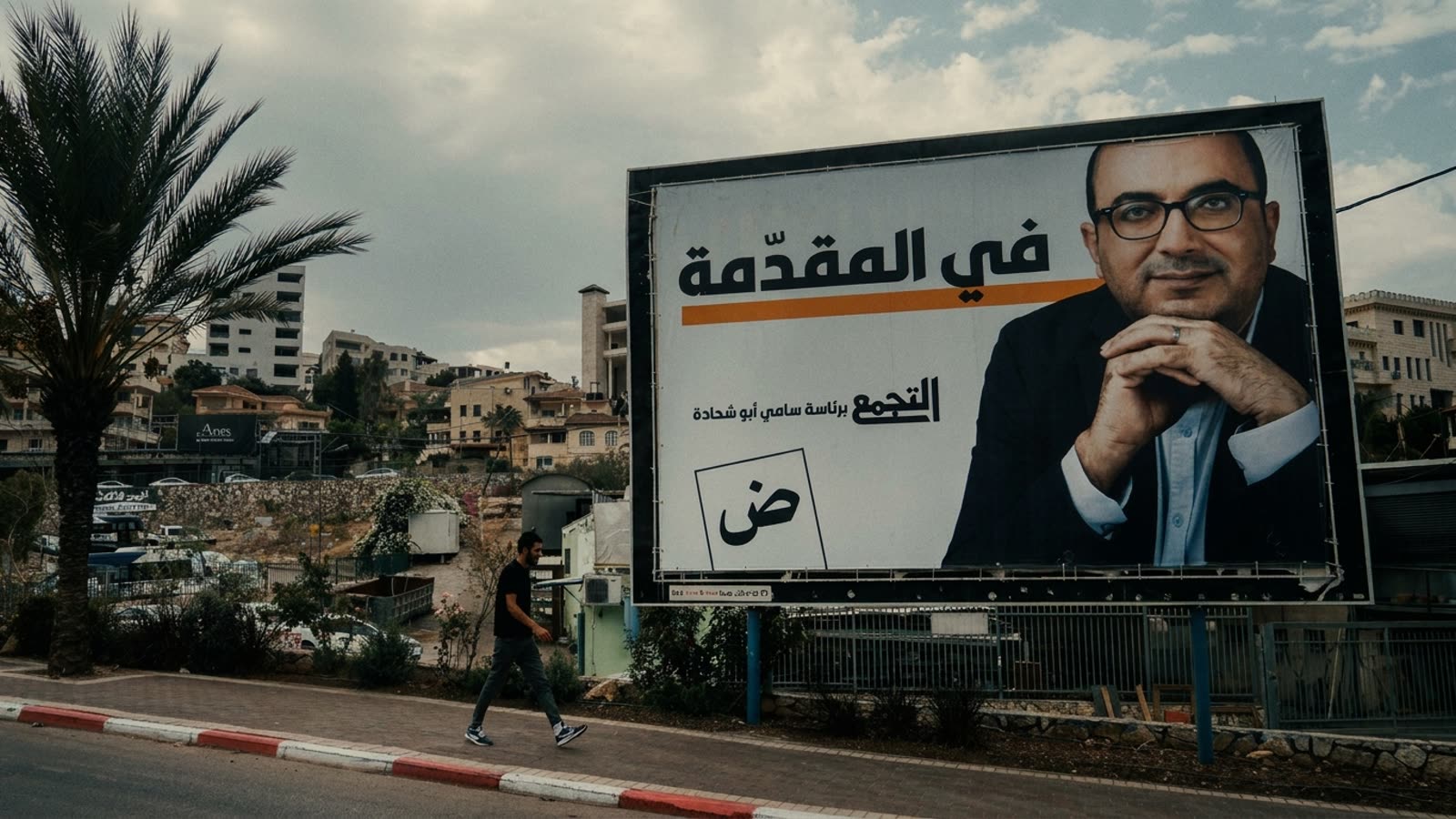
Neither bloc appears capable of reaching 61 without crossing ideological red lines that have defined Israeli politics for a generation. Netanyahu, addressing supporters past midnight, urged rival Jewish parties to join him in a coalition that explicitly excludes Arab parties — a plea that reveals his predicament. Eisenkot's camp, meanwhile, would need either defectors from the right or formal reliance on the surging Arab parties, whose historic turnout has made them potential kingmakers but also political poison for many Jewish voters.
The partial count suggests Likud remains the largest single party, which traditionally gives Netanyahu the inside track. But Herzog is not obligated to follow that convention. He must assess who has a realistic path to 61, not merely who leads the largest faction. If he concludes that Netanyahu cannot assemble a majority, he can hand the mandate to Eisenkot — or, in theory, to a third figure entirely.
Herzog's impossible choice
The president's dilemma is both procedural and existential. Tapping Netanyahu invites weeks of failed coalition talks if the math truly doesn't add up, followed by a second mandate to the opposition and possible fifth elections in four years. Tapping Eisenkot first would enrage the right and be seen as a political intervention by a president whose legitimacy rests on staying above the fray.
Herzog's own history complicates matters. Before ascending to the presidency, he led the Labor Party and lost to Netanyahu in 2015. Any decision he makes will be scrutinized for partisan motive, even if his reasoning is purely numerical.
Our take
Israel's electoral system is exquisitely designed to produce paralysis, and it has once again delivered. Herzog will likely give Netanyahu the first mandate — convention and the largest-party norm are hard to ignore — but the real negotiations will happen in the shadows, where Arab parties hold leverage they have never before possessed. The question is whether any Jewish bloc is willing to pay their price. If not, Israelis should brace for another trip to the polls.