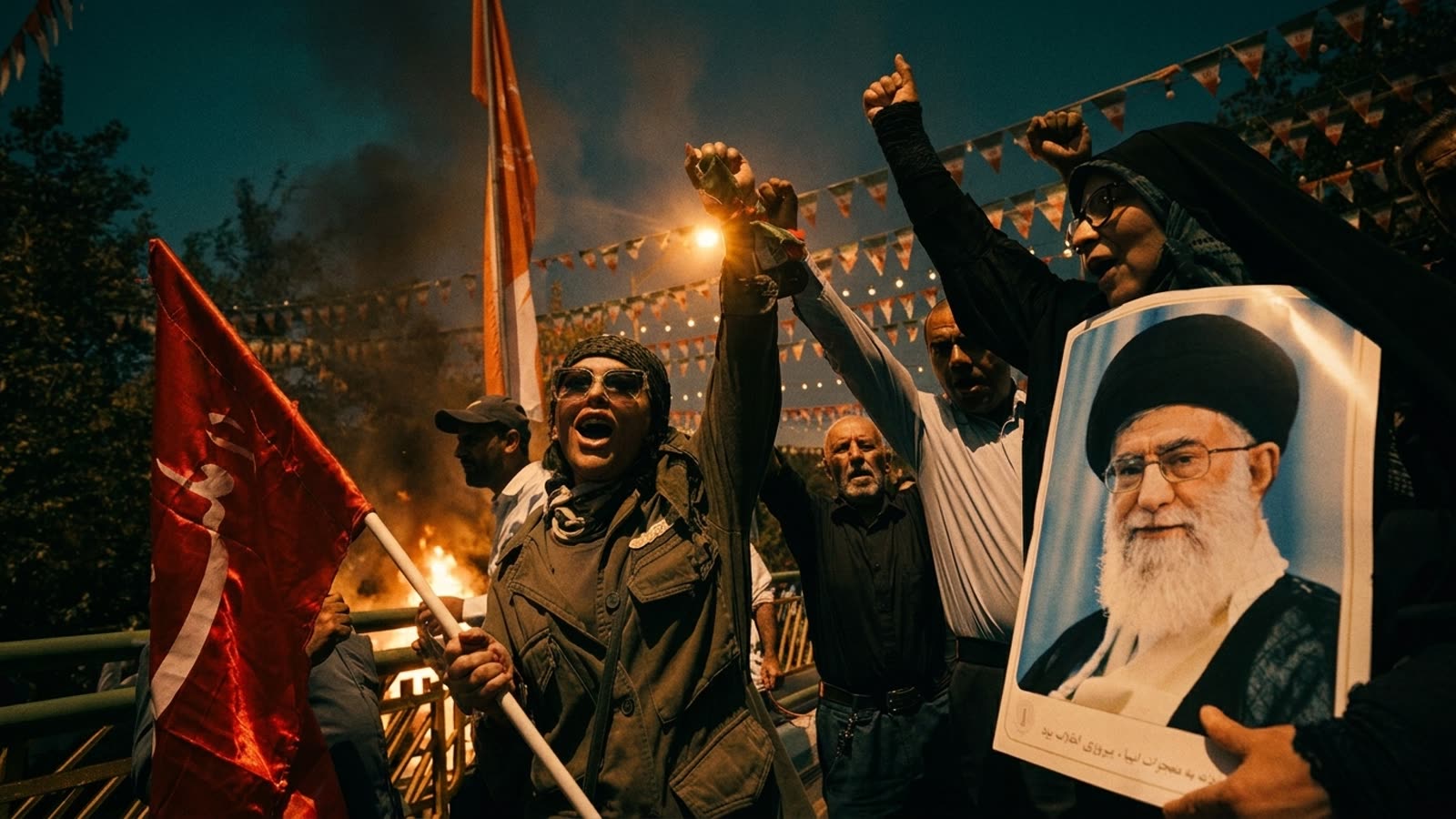
The arithmetic of the Iran conflict has turned brutal. What began as a limited strike campaign has metastasized into a resource drain that threatens to hollow out American military readiness for a generation, and the White House appears to have no viable exit strategy.
The Pentagon's burn rate in the Persian Gulf theater now exceeds initial projections by a substantial margin, with precision munitions stockpiles depleted faster than domestic production can replenish them. Carrier strike groups rotating through the Strait of Hormuz require constant resupply. Forward operating bases across the Gulf states demand security details that pull personnel from other global commitments. Each week the conflict continues, the bill compounds.
The budget wall
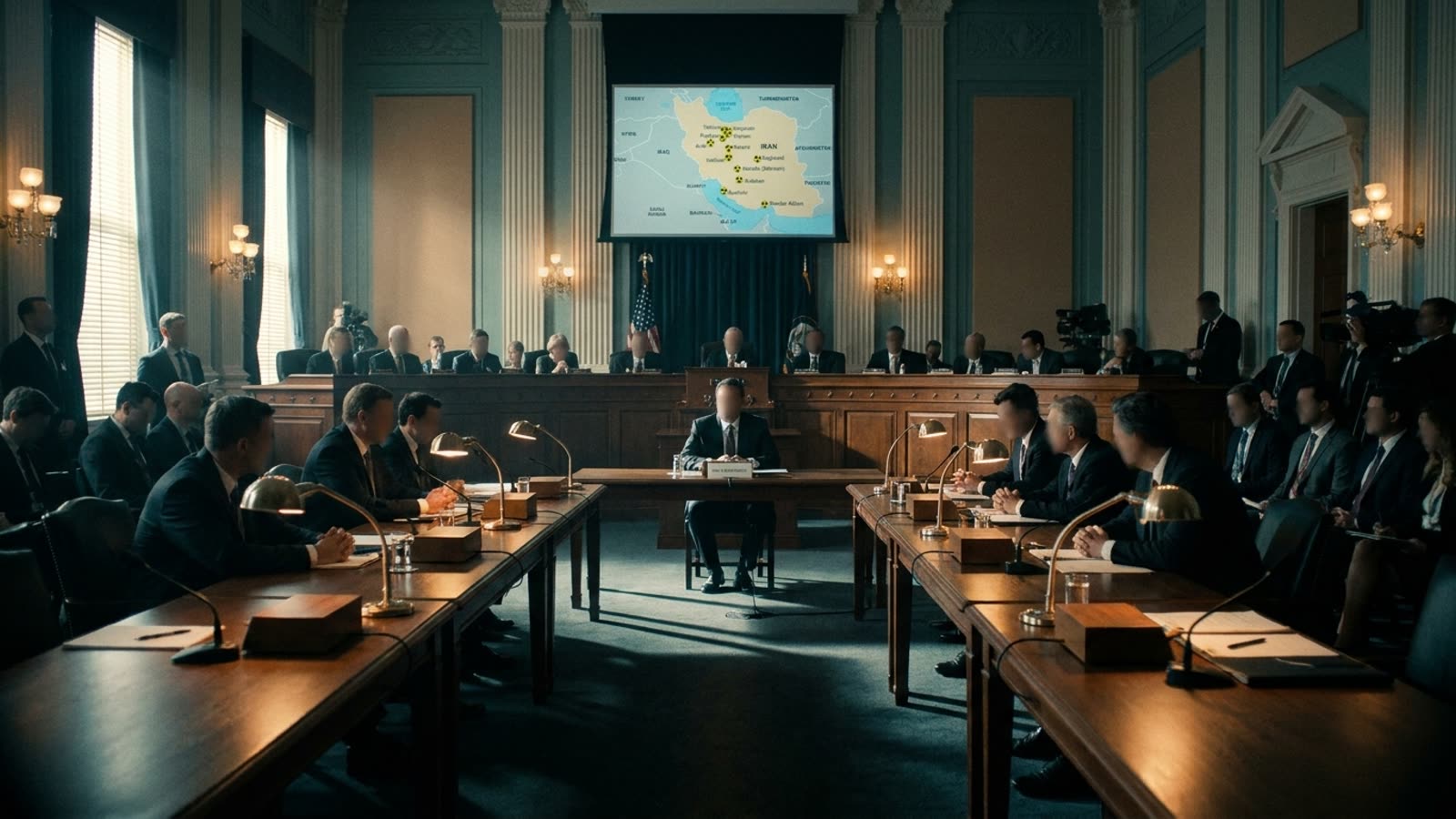
Congress has proven less pliable than the administration anticipated. Supplemental funding requests have stalled in committee, with deficit hawks in the president's own party balking at open-ended authorizations. The defense industrial base, still recovering from supply chain disruptions earlier in the decade, cannot simply conjure Tomahawk missiles and JDAM kits on demand. Contractors warn of multi-year backlogs.
This creates a strategic bind. Sustained operations require resources the legislative branch seems unwilling to provide, yet any pause in tempo risks emboldening Tehran precisely when Iranian officials are threatening direct retaliation against American assets.
The withdrawal trap
De-escalation carries its own perils. The administration sold this campaign on the premise of restoring deterrence after years of Iranian provocations. Walking it back now—without a clear diplomatic victory—would validate critics who warned the strikes were strategically incoherent from the start. Allies in Riyadh and Jerusalem, already nervous about American staying power, would draw their own conclusions.
Yet continuation promises only more of the same: mounting costs, stretched forces, and an adversary that has proven adept at asymmetric responses. Iran's proxy networks across the region remain intact. Its ballistic missile program continues. The stated objectives of the campaign grow hazier by the week.
Our take
The Iran war has become a case study in how tactical success can produce strategic paralysis. The administration achieved kinetic effects but never articulated what victory looks like—and now finds itself trapped between an escalation ladder it cannot climb and an off-ramp it cannot take without political humiliation. Wars entered without clear endpoints rarely end well. This one shows no sign of being the exception.