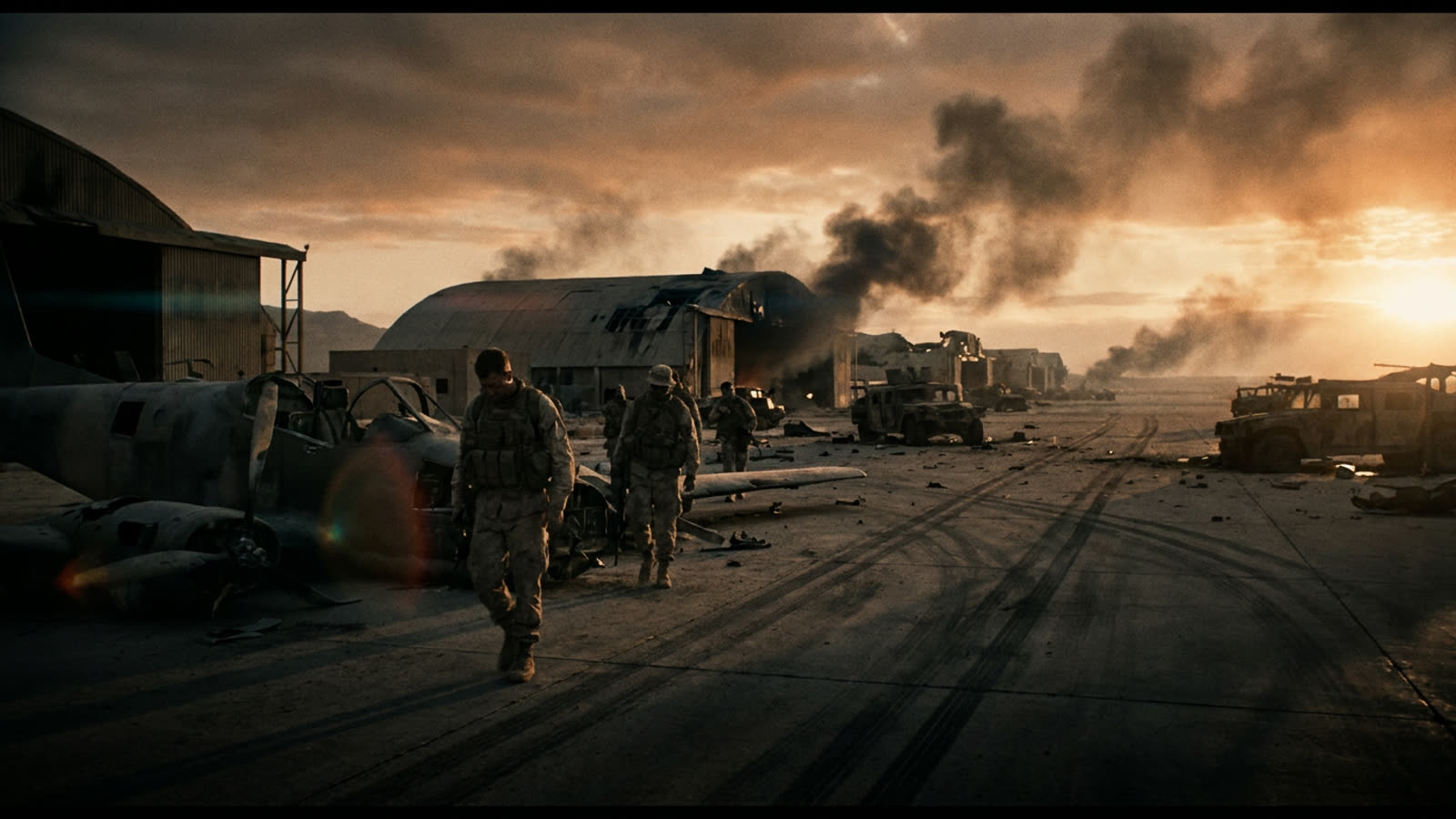
The Islamic Revolutionary Guard Corps announced Wednesday that it had targeted a United States airbase in response to American strikes around the Strait of Hormuz, a move that strips away any remaining pretense that the fragile ceasefire between Washington and Tehran amounts to anything more than diplomatic theater. Both sides continue to exchange fire while simultaneously claiming to honor a truce that neither appears to take seriously.
The IRGC's statement was characteristically defiant, framing the strike as a proportional response to what it called American aggression in waters Iran considers strategically vital. The United States, for its part, has maintained that its operations near the strait are defensive measures to protect international shipping lanes. The result is a conflict prosecuted through competing narratives as much as competing ordnance.
The Strait of Hormuz problem
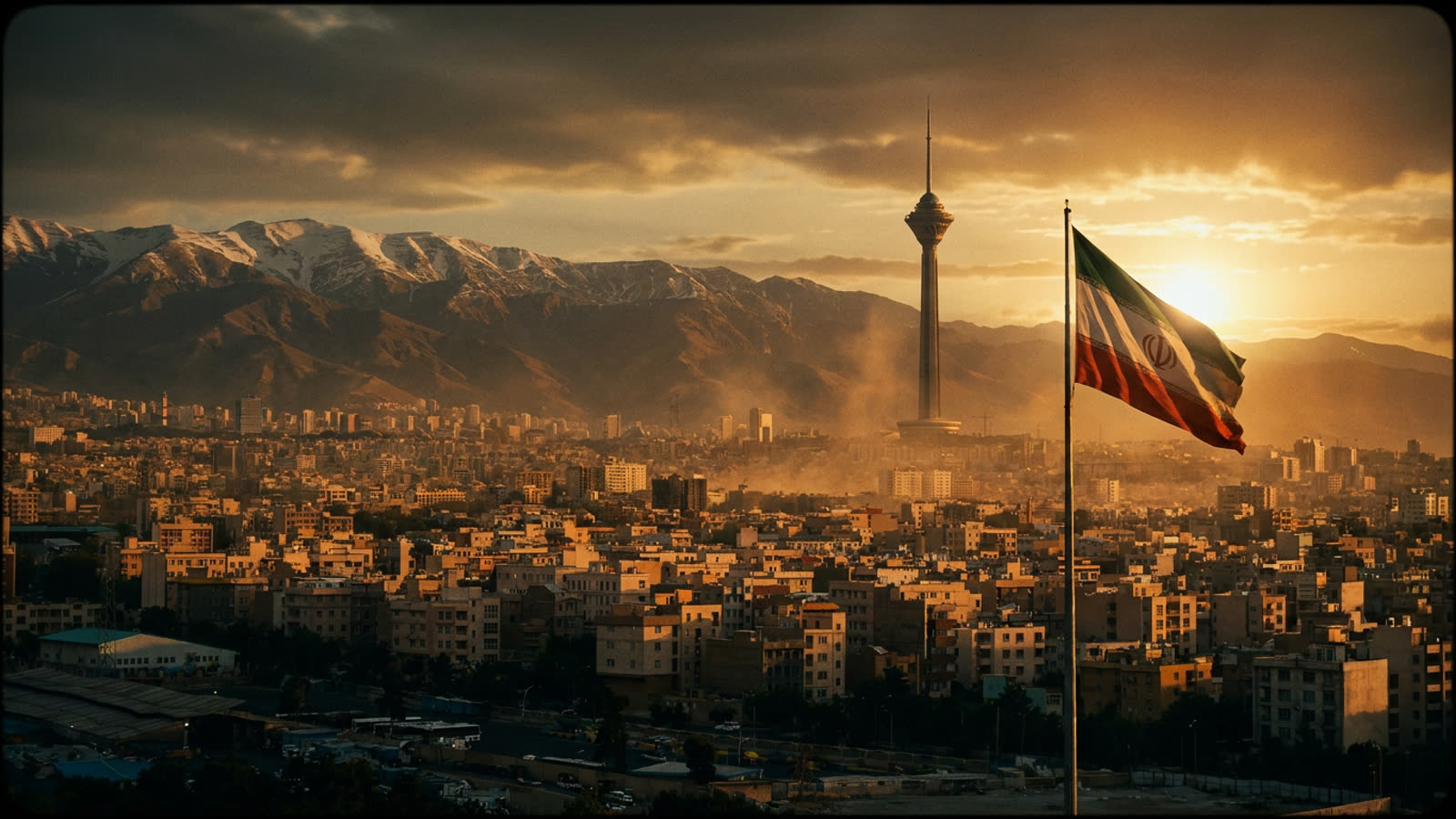
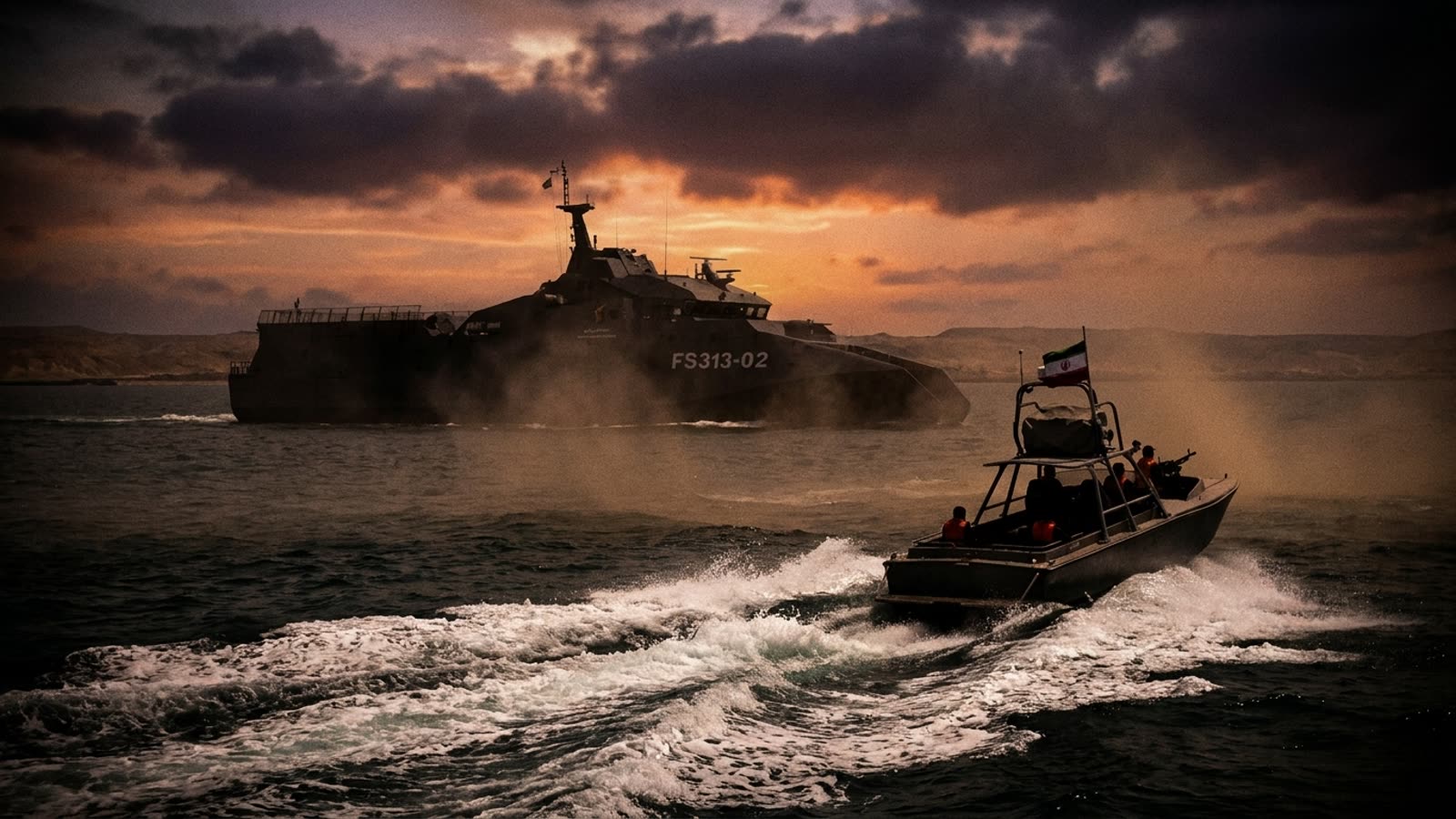
The geography makes escalation almost inevitable. Roughly twenty percent of the world's petroleum passes through the Strait of Hormuz, a chokepoint barely twenty-one miles wide at its narrowest. Iran's coastline dominates the northern shore, giving Tehran the ability to threaten global energy markets with relatively modest military assets. American naval presence in the region exists precisely to deter that threat, but deterrence and active combat are different animals entirely.
What began as targeted drone strikes has now expanded to include attacks on fixed military installations. The escalation ladder has rungs, and both sides appear committed to climbing them while insisting they're standing still.
The ceasefire that isn't
The announced ceasefire was always more aspiration than agreement. Neither side published binding terms. No neutral party monitors compliance. The arrangement functions less as a peace framework than as a mutual pause for ammunition resupply and diplomatic repositioning. Each strike is framed as a response to the other side's violation, creating an infinite regress of justified retaliation.
This pattern mirrors conflicts from the Korean DMZ to the Line of Control in Kashmir: formal hostilities suspended, actual hostilities ongoing, and both parties maintaining plausible deniability about who started what. The difference here is the stakes. A miscalculation in the Gulf doesn't produce a border skirmish; it produces an oil shock.
Regional powers hedge their bets
Gulf states are watching nervously and acting accordingly. The recent American threats toward Oman—however rhetorically excessive—have reminded smaller nations that alignment with Washington offers uncertain protection when Washington itself is the source of regional instability. Saudi Arabia and the UAE have quietly expanded their diplomatic channels with Tehran, not because they trust the Islamic Republic, but because they trust the current American posture even less.
Our take
The IRGC's strike is not a surprise; it is a confirmation. The ceasefire was a press release, not a peace. Both Washington and Tehran have domestic audiences that reward toughness and punish concession, creating a ratchet effect where each side must respond to the other's response. The question is no longer whether the ceasefire will hold—it won't—but whether either capital has the political will to accept the costs of genuine de-escalation. The evidence suggests they do not.