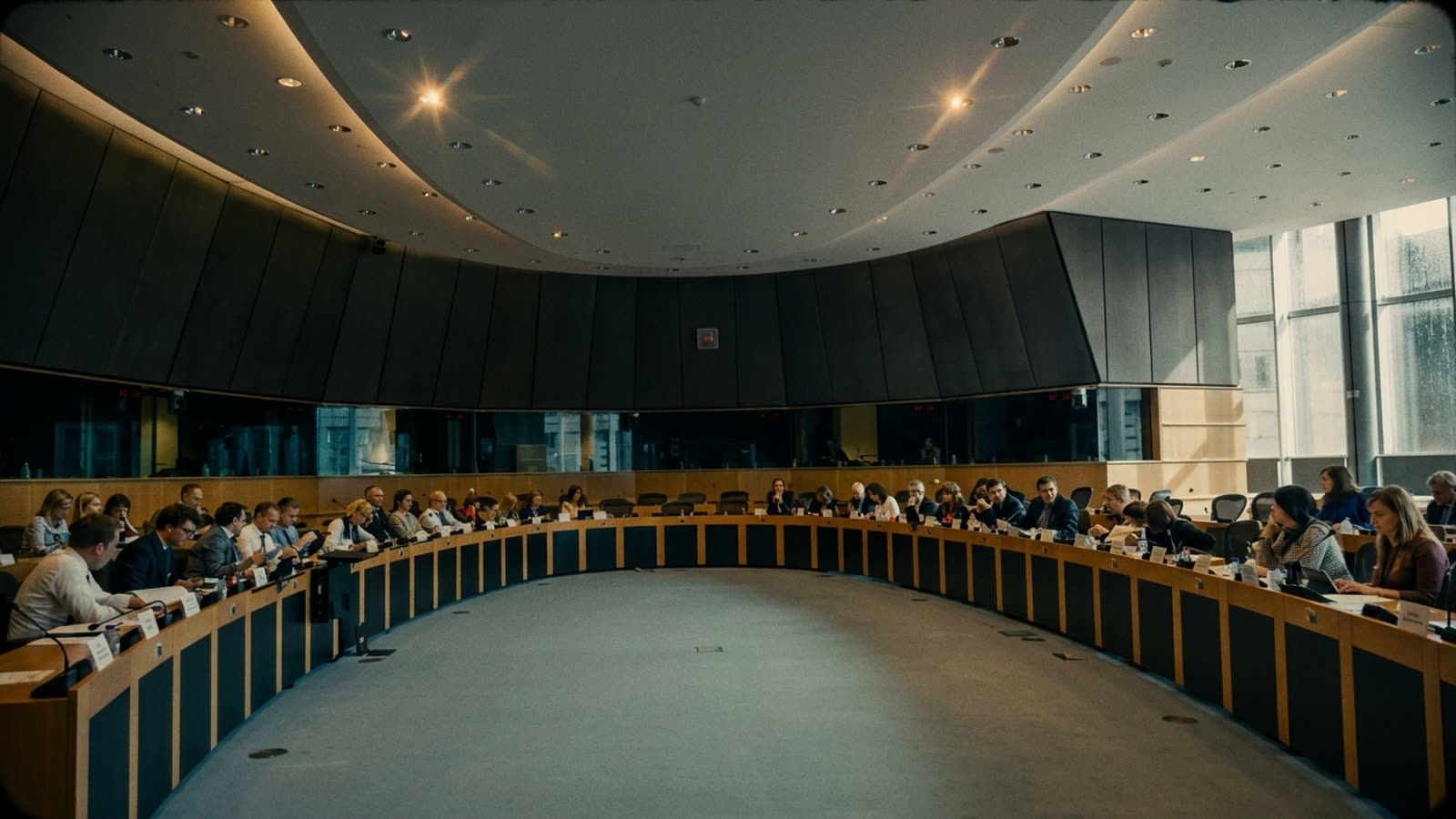
The European Union’s big laws are not forged in the full glare of parliamentary drama. They are stitched together in trilogues—closed‑door meetings where the European Parliament, the Council of the EU (member states), and the European Commission reconcile competing drafts into a single text. Not created by a single treaty clause so much as by practice and interinstitutional agreements, trilogues are the EU’s workhorse for the “ordinary legislative procedure,” where Parliament and Council co‑legislate on everything from tech rules to climate policy.
What a trilogue is—and isn’t
A trilogue is a negotiation, not a vote. The Parliament arrives led by its rapporteur on the file, flanked by “shadow” negotiators from other political groups. The Council arrives through the rotating presidency, backed by national attachés and ambassadors who have hammered out a common line. The Commission sits between them as drafter, explainer, and broker. No one is making law in secret; rather, they are crafting the compromise both legislators must later adopt in public. The outcome typically surfaces as a “provisional political agreement,” then moves through formal approvals—committee and plenary in Parliament; ambassadors and ministers in Council—before legal‑linguists finalize the language.
This machinery is separate from, but fed by, the EU’s upstream grind. Parliament’s committees first shape a mandate by voting amendments. Member states, meeting in working parties and Coreper (their ambassadors), assemble a “general approach.” Only once both sides have a mandate do serious trilogues begin. If they fail, the file keeps moving—through second readings or, rarely, a conciliation committee. Most deals close earlier because all three institutions prefer certainty over spectacle.
The choreography: mandates, four columns, and midnight compromises
Trilogues run on a “four‑column” document. Column one is the Commission’s proposal. Two and three track Parliament’s and Council’s positions. The elusive fourth column is the evolving compromise text—line by line, recital by recital—where trade‑offs live. Rapporteurs swap ambition for durability; presidencies trade flexibility for speed. Red lines come from capitals and party groups, and the chair’s job is to find a landing zone before political oxygen runs out.
Time pressure is built in. Rotating presidencies want to close files during their six‑month window; Parliament’s negotiators eye plenary calendars and looming elections. When you read about “marathon trilogues” ending near dawn, that clock is the reason. The hard parts—scope, thresholds, enforcement—fall to political principals; technical clean‑up waits for expert meetings once the outline is locked.
Reading the runes: phrases that matter
Press statements from Brussels are coded but decipherable:
- “General approach” (Council) and “mandate adopted in committee” (Parliament) mean the file is trilogue‑ready.
- “Provisional political agreement” signals a deal exists, pending legal scrub and formal votes.
- “Coreper endorsed” means member‑state ambassadors signed off; only ministers’ rubber stamp remains.
- “First‑reading agreement” implies the compromise will pass without a second round.
- “Scrutiny reserve” hints a national parliament has paused its government’s final nod.
Transparency remains the running critique. Trilogues are efficient precisely because negotiators can horse‑trade without performative grandstanding. But the four‑column documents and meeting notes typically appear, if at all, after the fact. Citizens see the destination more clearly than the route, which keeps watchdogs and courts busy and the accountability debate alive.
Our take
Trilogues are the EU’s untelevised center of gravity—pragmatic, iterative, and defensible so long as sunlight follows the handshake. Publishing compromise texts earlier, even with caveats, would not break the machine; it would legitimize it. Until then, learn the code words. In Brussels, that’s the difference between a headline and a law.