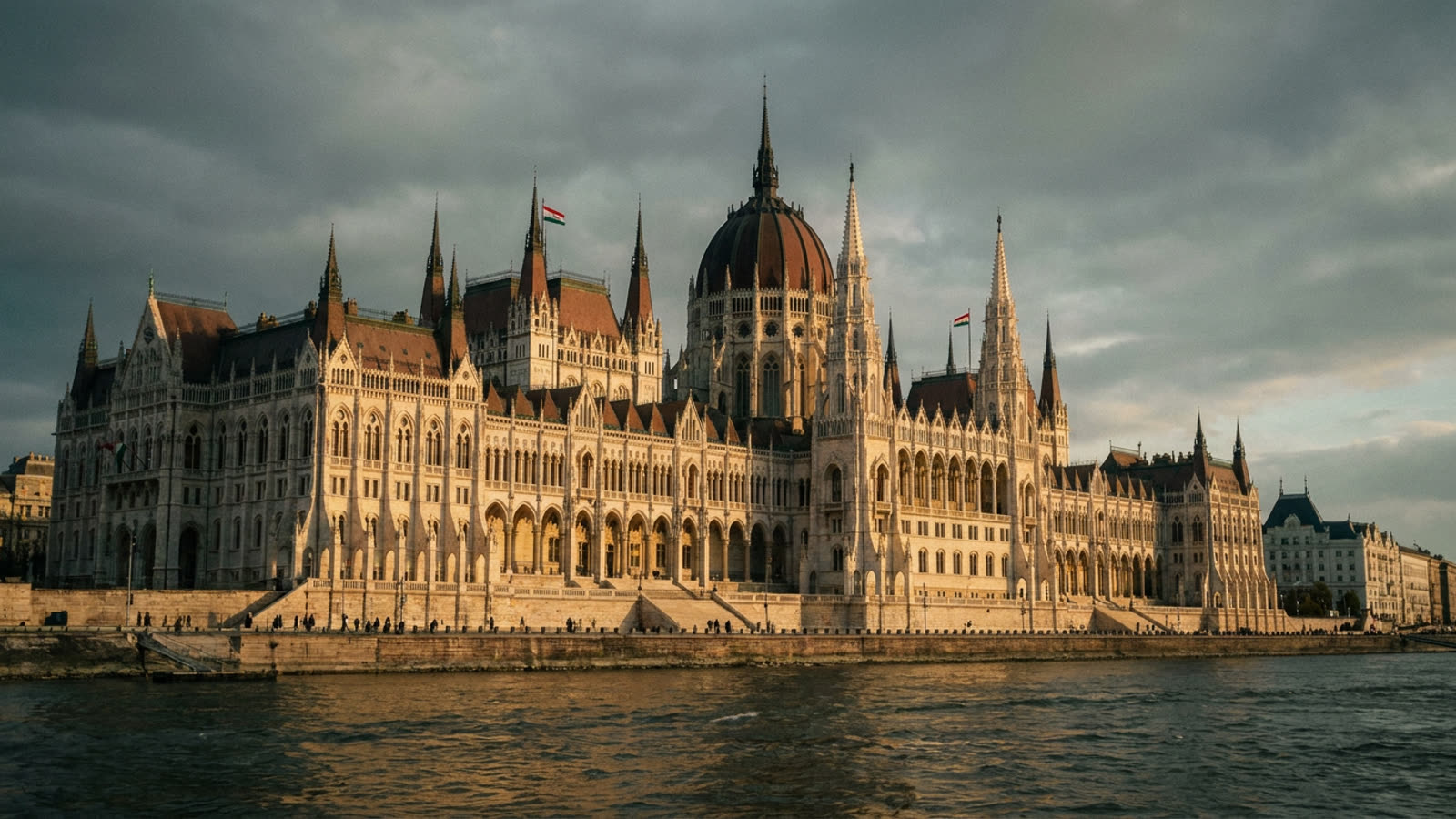
For Hungarian filmmakers, the Cannes Film Festival this year carries a weight that has nothing to do with prizes. It marks the first major international gathering since Viktor Orbán's surprise electoral collapse last month—a political earthquake that has left the country's creative class giddy, cautious, and suddenly able to imagine a different kind of future.
The timing is almost theatrical. László Nemes, whose "Son of Saul" won the Grand Prix in 2015 and the Oscar for Best Foreign Language Film, returns to competition with "Moulin," a WWII drama about French Resistance hero Jean Moulin. Meanwhile, Hungarian producers are working the Marché du Film with a slate that ranges from Hollywood co-productions to local romantic comedies—a diversity of ambition that would have been harder to finance, and certainly harder to celebrate, under the old regime.
The Orbán years in culture
Orbán's government treated cinema the way it treated most institutions: as a tool of national messaging. Funding flowed generously to projects that aligned with the administration's vision of Hungarian identity—historical epics, patriotic narratives, films that reinforced a particular idea of the nation. Independent voices survived, but often at the margins, relying on European co-productions or working abroad. The Hungarian Film Fund, restructured under Orbán ally Andy Vajna before his death in 2019, became a gatekeeper whose criteria were never purely artistic.
The result was a strange bifurcation. Internationally, Hungary remained a respected player—Nemes's work, Kornél Mundruczó's "White God" and "Pieces of a Woman," Ildikó Enyedi's "On Body and Soul"—but these successes often felt like escapes from, rather than products of, the domestic system. Younger filmmakers, the ones without festival pedigrees or foreign passports, found fewer doors open.
What changes now
The new government, a coalition led by the opposition alliance that swept April's elections, has promised a review of cultural funding structures. Details remain sparse, but the rhetoric emphasizes transparency, depoliticisation, and support for emerging talent. One leading producer, speaking to trade press this week, described the mood as a "new day"—a phrase that captures both the hope and the uncertainty.
Practically, change will take time. Institutions built over 16 years do not transform overnight. The Hungarian Film Fund's leadership remains in place for now, and the pipeline of projects greenlit under the old system will continue to roll out for years. But the psychological shift is immediate. Filmmakers who had grown accustomed to self-censorship, or to framing pitches in ways that might appeal to nationalist sensibilities, are suddenly free to think differently.
Our take
Cultural policy under authoritarian governments rarely announces itself as censorship; it operates through funding priorities, jury compositions, and the slow attrition of inconvenient voices. Hungary's film industry survived Orbán better than many expected, but survival is not the same as flourishing. The next few years will test whether the new government's promises translate into structural reform—and whether a generation of filmmakers who learned to work around constraints can now work without them. For the moment, though, the Croisette feels a little lighter for the Hungarians walking it.