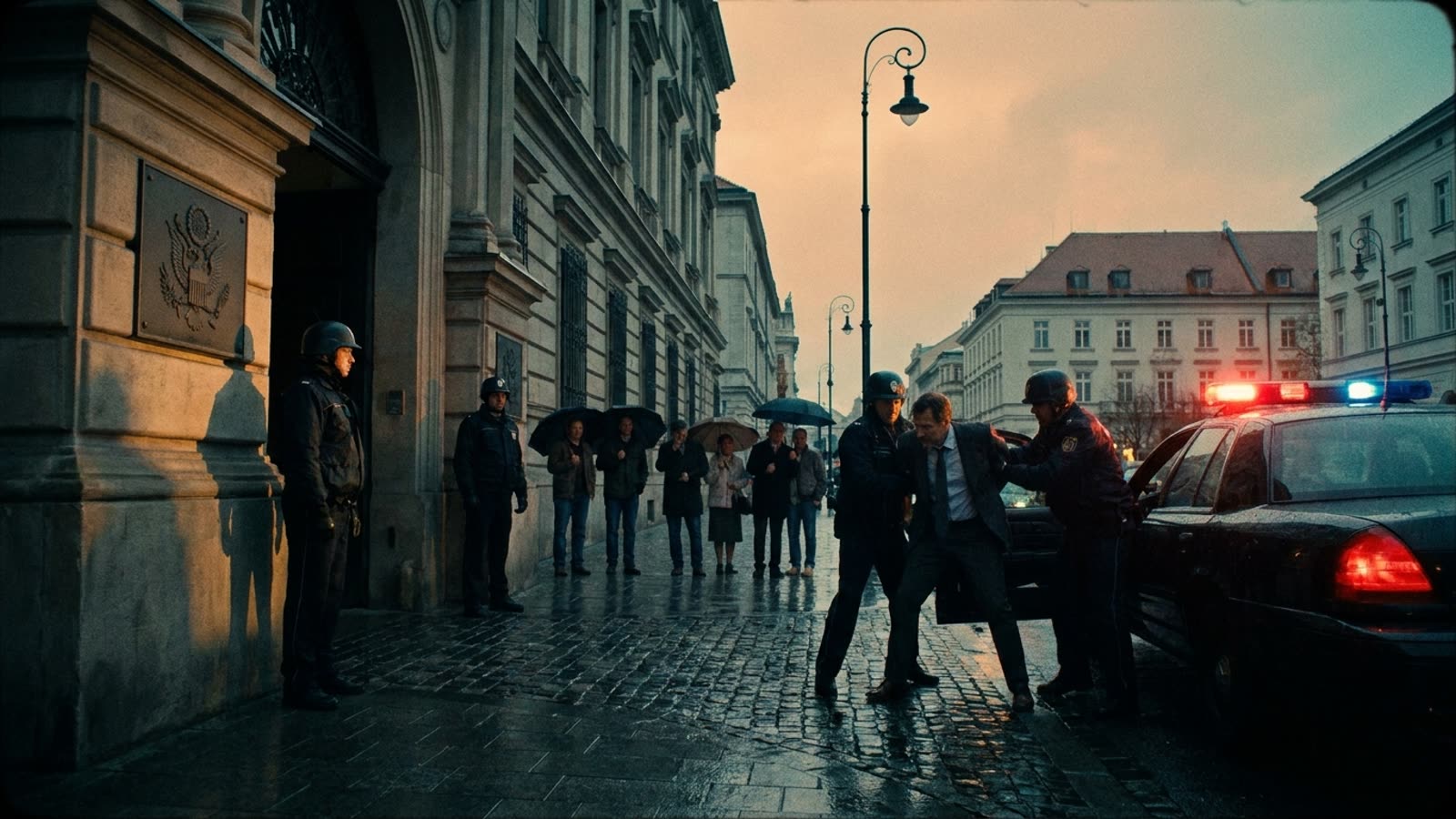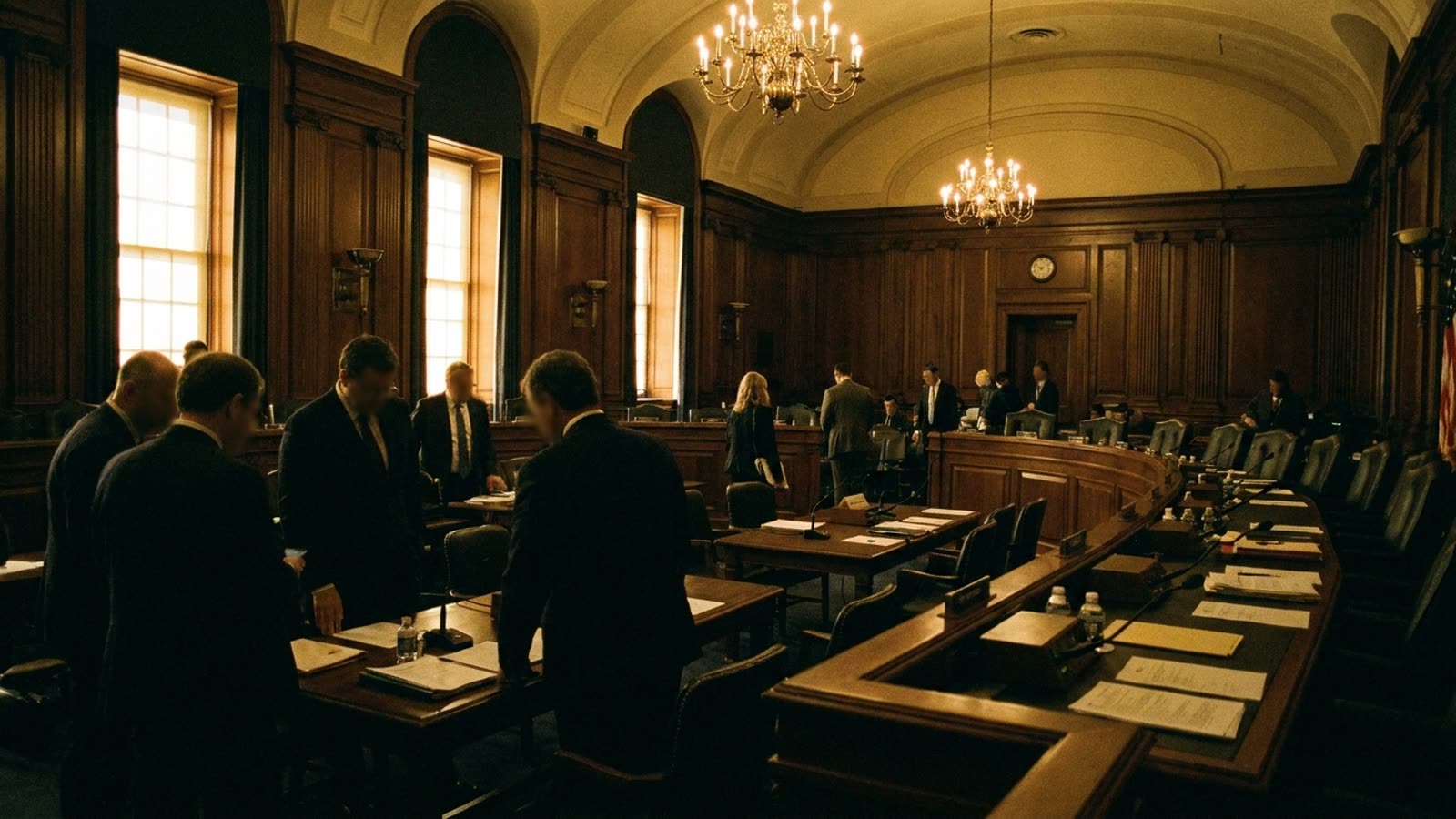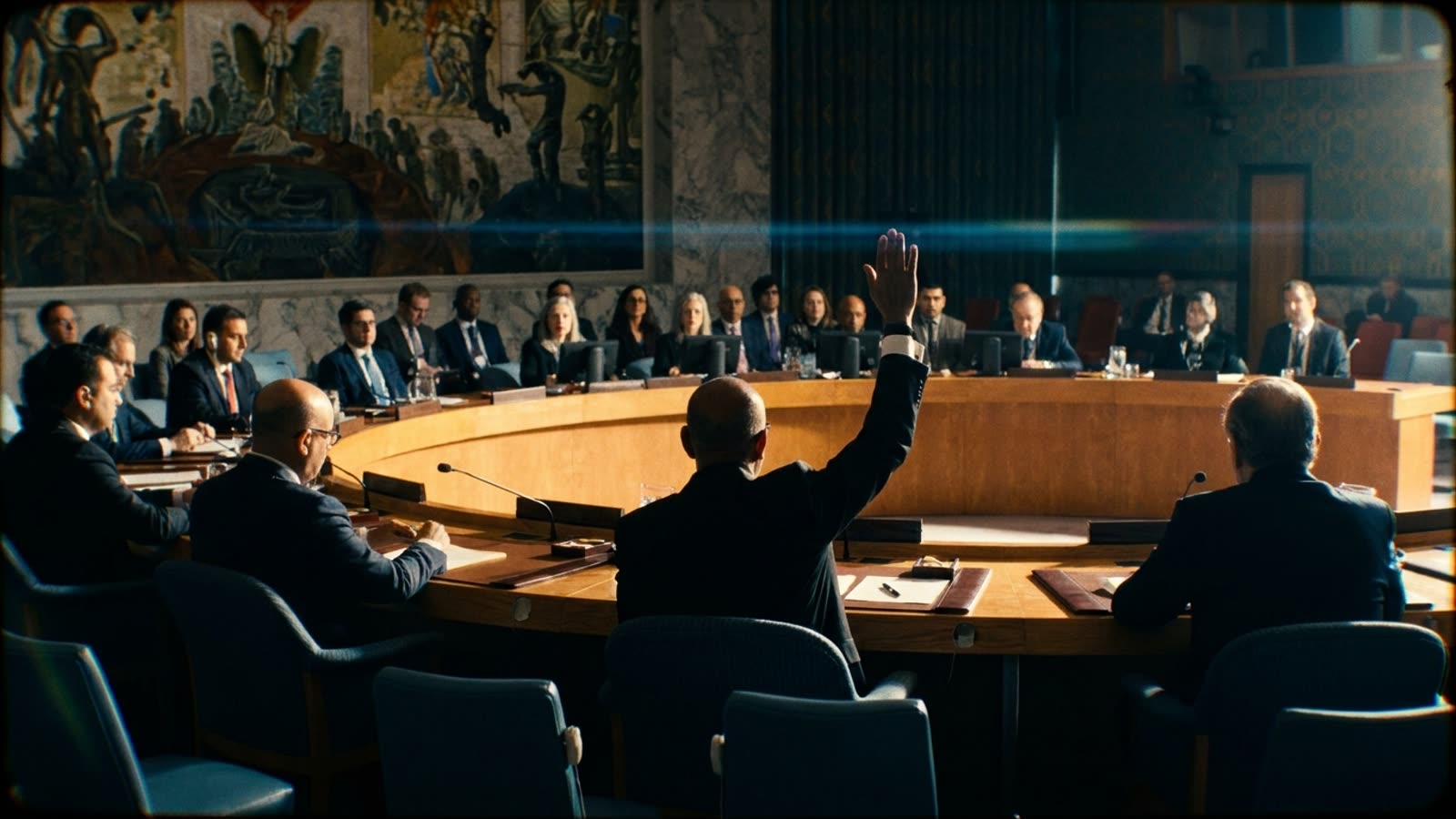
The United Nations Security Council meets in a chamber designed to evoke deliberation and consensus, yet its most consequential moments involve neither. They involve silence—the particular silence that follows when one of five permanent members raises a hand and says no. That single syllable, uttered by the representative of the United States, Russia, China, France, or the United Kingdom, can halt international action regardless of what the other fourteen council members think, regardless of what the General Assembly wants, regardless of how many civilians are dying in the crisis under discussion.
This is not a bug in the system. It is the system.
The architecture of paralysis
The veto emerged from the wreckage of the League of Nations, which had required unanimity among all members and consequently achieved nothing when faced with aggression by major powers. The architects of the UN in 1944 and 1945 understood that any organization claiming universal jurisdiction would need the great powers inside the tent, and the great powers would not enter without guarantees that the tent could never be turned against them. The veto was that guarantee—a permanent insurance policy against collective action touching the vital interests of its holders.
The original five permanent members were the principal victors of the Second World War, though the designation of France and China owed more to diplomatic choreography than military contribution. The composition has not changed since, despite the decolonization of half the planet, the economic rise of powers like India and Brazil, and the transformation of China from agrarian republic to global superpower. The P5 have successfully blocked every serious reform effort, which is itself a demonstration of how the veto works.
How the veto shapes behavior before it is cast
The most important function of the veto is invisible. Council resolutions are negotiated extensively before any vote, and draft language is softened, delayed, or abandoned entirely when it becomes clear that a permanent member objects. Russia does not need to veto a resolution condemning its actions if the resolution never reaches the floor. The United States does not need to veto measures targeting Israel if those measures are diluted into meaninglessness during consultations. The veto casts a shadow over every discussion, warping outcomes long before the formal moment of decision.
When vetoes are actually cast, they tend to cluster around predictable fault lines. The Soviet Union and later Russia have used the veto most frequently, often to shield allies or block Western interventions. The United States has deployed it overwhelmingly in defense of Israel, casting more than forty vetoes on Middle East resolutions since the 1970s. China historically abstained rather than vetoed, preserving its image as a non-interventionist power, though its veto use has increased in recent years alongside its more assertive foreign policy.
Why reform remains impossible
Proposals to abolish or constrain the veto are as old as the UN itself. The most common suggestions include voluntary veto restraint in cases of mass atrocities, expansion of the permanent membership to include regional powers, or replacement of the veto with a supermajority requirement. Each proposal founders on the same rock: any change to the veto requires the consent of all five current holders, and at least one of them will always find a reason to refuse.
The P5 have different reasons for defending the status quo. For the United States and Russia, the veto remains actively useful for protecting allies and blocking hostile resolutions. For France and the UK, permanent membership is one of the last vestiges of great-power status, a seat at the table that their current economic and military weight might not otherwise justify. For China, the veto represents both practical protection and symbolic recognition of its standing in the international order.
Our take
The Security Council veto is indefensible on moral grounds and entirely defensible on structural ones. It exists not to produce just outcomes but to keep nuclear-armed powers inside an institution where they can be talked to, pressured, and occasionally embarrassed. The alternative is not a reformed council that acts decisively—it is no council at all, or one that the major powers simply ignore. This is cold comfort when the veto blocks action on genuine atrocities, but it is the bargain that was struck in 1945, and no one has yet devised a better one that the powerful would accept.