The European Council is not, technically, a legislative body. It cannot pass laws. It has no formal voting procedures for most of its business. Its conclusions are not legally binding. And yet nothing of consequence happens in the European Union without its blessing — or, more precisely, without the grudging acquiescence of the men and women who sit around its oval table in Brussels.
This paradox sits at the heart of European governance. The institution that matters most is the one with the fewest rules, and that absence of formality is not a bug but the entire operating system.
The room where it happens
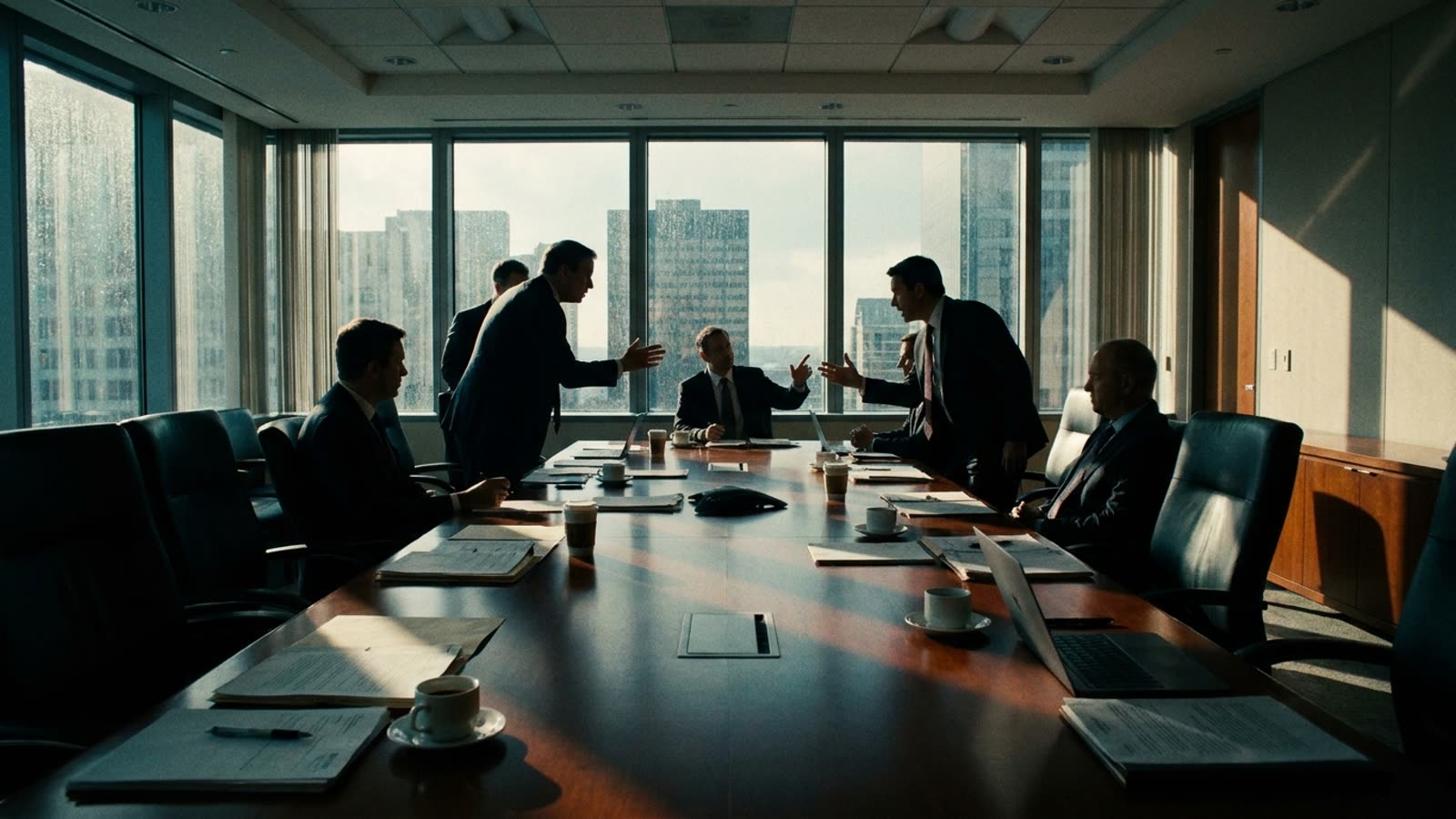
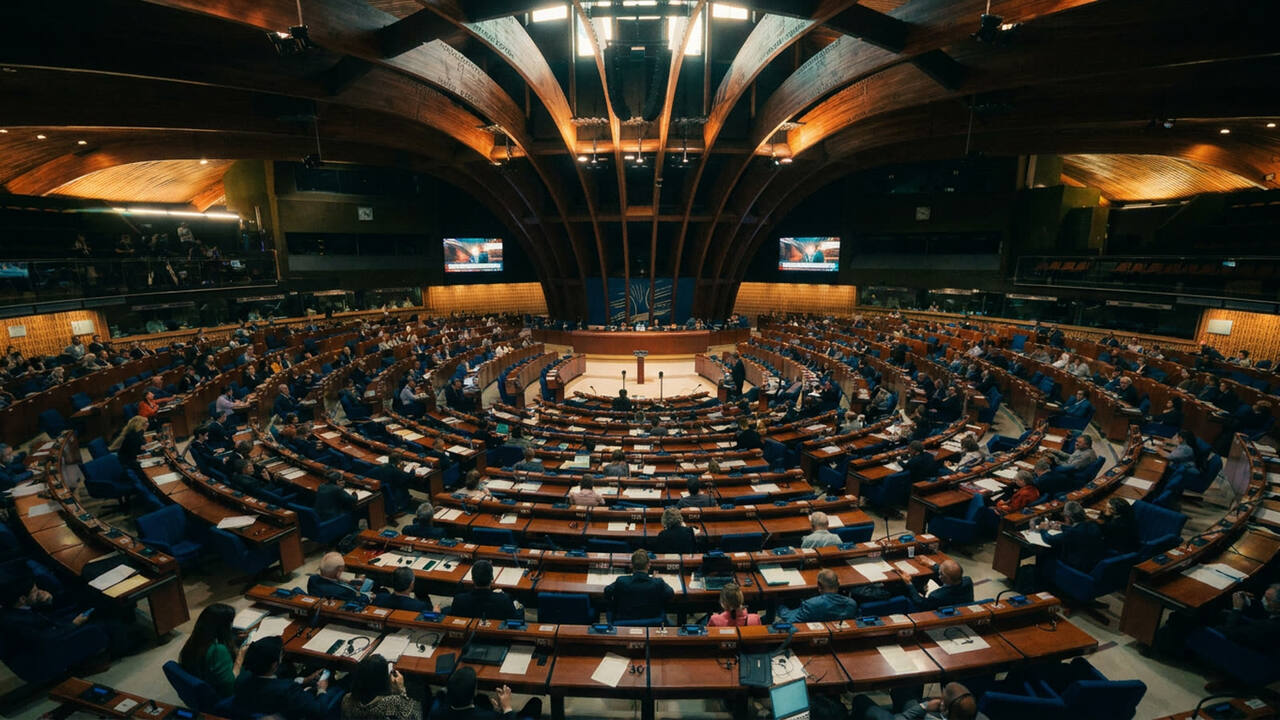
Four times a year, sometimes more during crises, the heads of state and government of the EU's member nations gather in the Europa building's egg-shaped summit room. They are joined only by the President of the European Council, the President of the European Commission, and — when foreign policy is discussed — the High Representative. No aides. No ministers. No note-takers beyond a single Council secretariat official.
The intimacy is deliberate. Leaders who must face voters back home need a space where they can float compromises, test red lines, and occasionally reverse positions without the immediate humiliation of public contradiction. The room's confidentiality is its currency.
Decisions emerge not through roll-call votes but through what veterans call "the consensus machine." The Council President — currently a rotating figure of considerable diplomatic skill — reads the room, proposes conclusions, and iterates until no one objects strenuously enough to block. Unanimity is the norm for foreign policy and treaty changes; qualified majority voting applies in theory to some areas but is rarely invoked because outvoting a determined leader poisons future negotiations.
The physics of exhaustion
Summit dynamics follow predictable patterns. The first day is posturing: prepared statements, theatrical disagreements, leaders performing for domestic audiences who will read the overnight briefings. The real work begins after dinner, often extending past midnight, when fatigue erodes maximalist positions.
Experienced leaders weaponize stamina. Angela Merkel, across her sixteen years as German Chancellor, became legendary for outlasting opponents, still sharp at three in the morning when others were desperate for bed. The physical endurance required to negotiate effectively at the Council is rarely discussed but universally understood.
Crises accelerate this compression. During acute emergencies, summits have stretched across multiple days, with leaders sleeping in hotels and returning bleary-eyed to resume talks. The 2015 Greek debt negotiations produced a session lasting over seventeen hours. Participants emerged with a deal and what one diplomat later described as "a collective trauma bond."
Why the ambiguity persists
The Council's procedural vagueness serves multiple masters. For smaller states, the consensus requirement provides protection against being steamrolled by larger neighbors; any leader can, in extremis, threaten to block everything until their concern is addressed. For larger states, the informality allows side deals and bilateral understandings that formal voting would expose to challenge.
The European Parliament and Commission have spent decades trying to constrain this intergovernmental power, with limited success. The Council remains the place where national sovereignty reasserts itself against supranational ambition — where a Polish prime minister or a Dutch premier can look Brussels in the eye and say no.
This is why EU policy often appears incoherent from the outside: it is the residue of twenty-seven different political calculations, filtered through exhaustion and compromise, emerging as conclusions vague enough for everyone to claim victory.
Our take
The European Council's formlessness is maddening to those who believe institutions should have clear rules and accountable procedures. But it has also held together a union of wildly divergent interests for decades, absorbing shocks that would shatter more rigid structures. The room works precisely because it has no rules — only relationships, reputations, and the shared knowledge that everyone will have to sit around that table again.