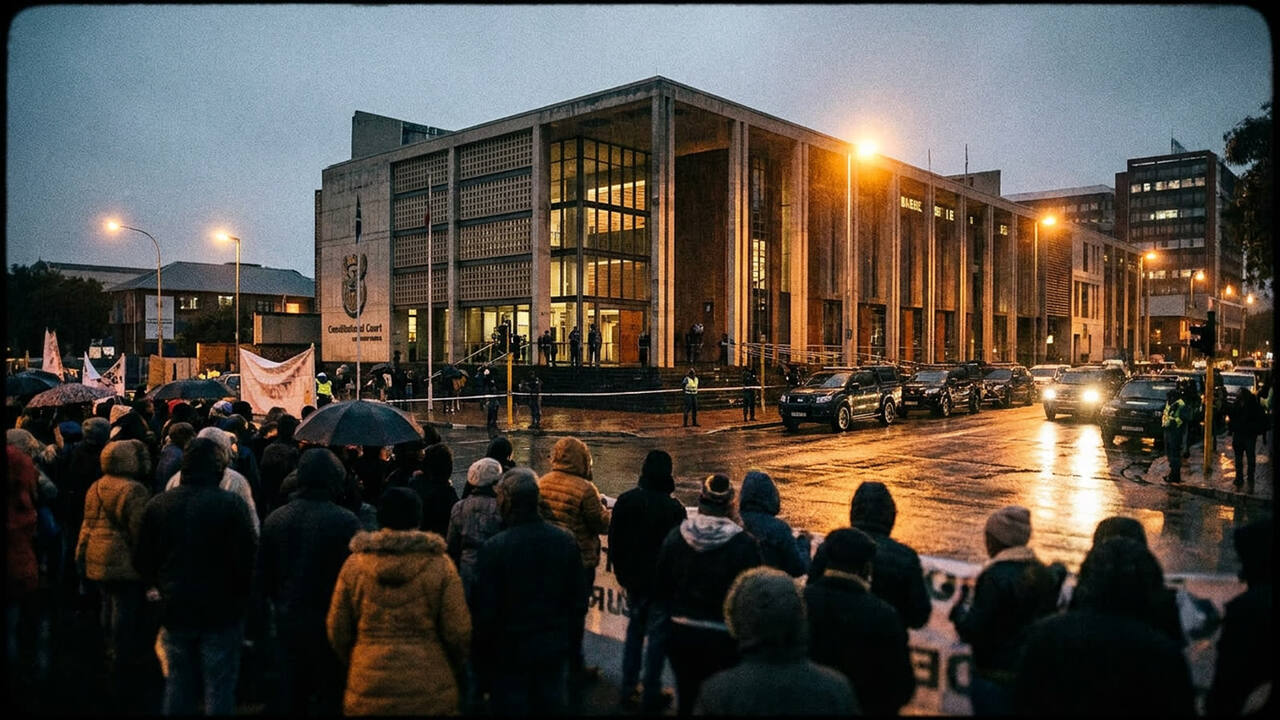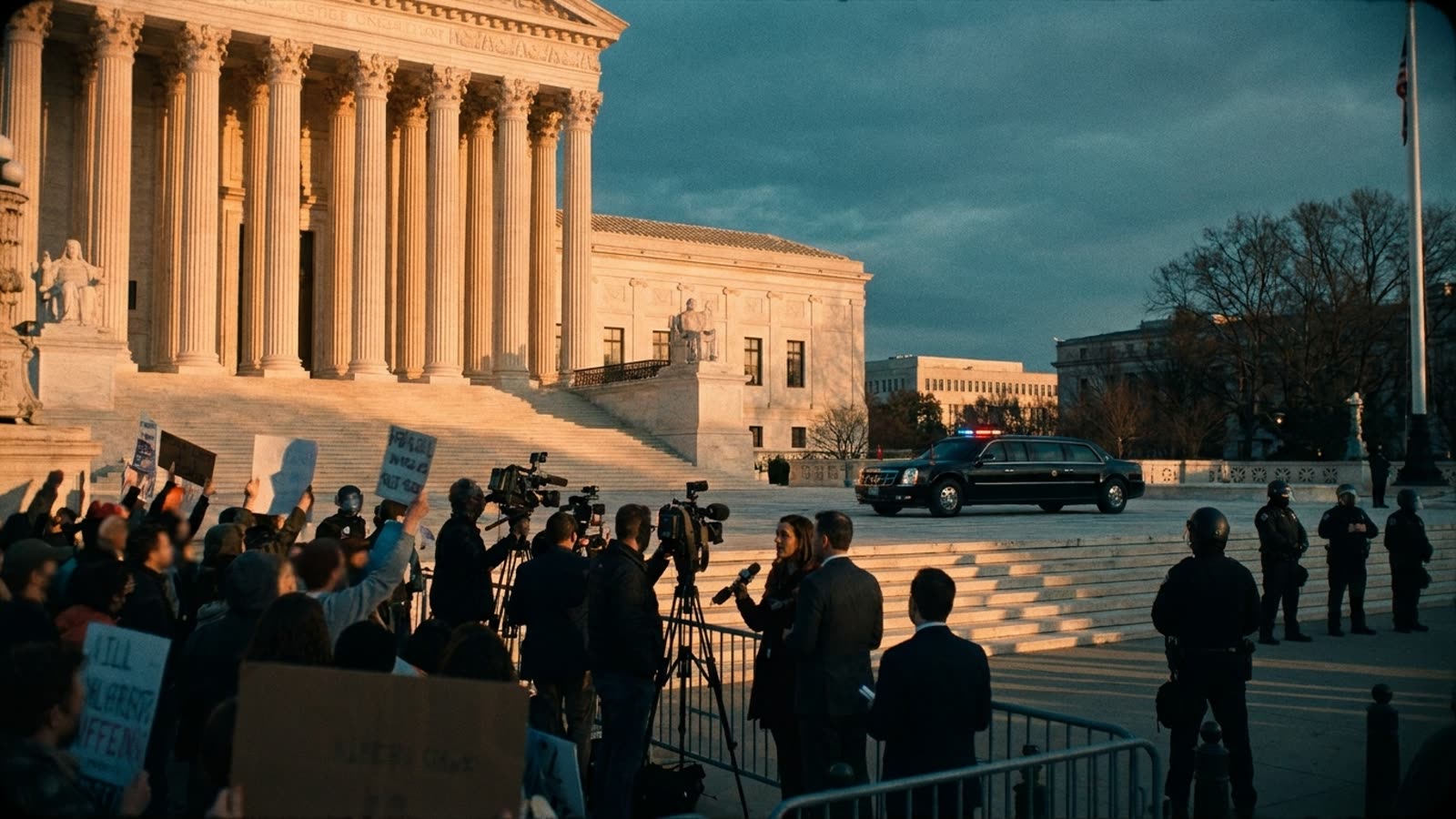
The United States Constitution devotes precisely one clause to Supreme Court appointments: the president "shall nominate, and by and with the Advice and Consent of the Senate, shall appoint... Judges of the supreme Court." That's it. No timeline. No hearing requirement. No vote threshold. No definition of "advice" or "consent." The entire modern confirmation apparatus—the FBI background checks, the multi-day hearings, the committee votes, the floor debates—exists nowhere in the founding document. It was built, piece by piece, through precedent, partisan calculation, and occasional accident.
This constitutional minimalism explains why every vacancy triggers institutional crisis. The rules are whatever the Senate majority says they are.
The machinery of consent
A nomination begins when a vacancy occurs—through death, retirement, or the exceedingly rare resignation under pressure. The president's team typically maintains a shortlist, often drawn from federal appellate judges whose written records offer predictability. The White House Counsel's office vets candidates, but the real filtering happens through ideological networks: the Federalist Society on the right, progressive legal organizations on the left. By the time a name reaches the president's desk, it has usually been pre-approved by the relevant coalition.
Once nominated, the candidate pays courtesy visits to senators—a ritual dating to the nineteenth century that now functions primarily as opposition research. The Senate Judiciary Committee schedules hearings, a practice that only became standard after 1916, when Louis Brandeis faced unprecedented public testimony (he himself never appeared; that innovation came later). Today's hearings run three to four days, featuring opening statements, rounds of questioning, and testimony from outside witnesses. The committee then votes on whether to send the nomination to the full Senate.
Here's the critical wrinkle: none of this is required. The Constitution demands only Senate consent, not committee approval. A majority leader can, in theory, bring any nomination directly to the floor.
The filibuster's rise and fall
For most of American history, Supreme Court nominees needed only a simple majority. The filibuster—requiring 60 votes to end debate—was theoretically available but rarely deployed against judicial nominations. That changed in the early 2000s, when both parties began using procedural delays more aggressively. The escalation culminated in two dramatic rule changes: Democrats eliminated the filibuster for lower-court nominees in 2013, and Republicans extended that precedent to Supreme Court nominees in 2017.
The result is that a Supreme Court confirmation now requires exactly 50 senators plus the vice president's tiebreaker—or 51 without. This arithmetic has transformed the process. When 60 votes were effectively necessary, presidents had incentive to nominate candidates with cross-party appeal. At 50, they can nominate for their base alone.
The unwritten calendar
Perhaps the most consequential norm is also the most contested: whether a president may fill a vacancy in an election year. The Constitution is silent. Historical practice is inconsistent. The argument that emerged in 2016—that voters should decide by choosing the next president—was deployed selectively and abandoned when convenient. What this revealed is that the "rule" was never a rule at all, merely a preference dressed in principle.
The average confirmation now takes roughly 70 days from nomination to vote, though this figure obscures enormous variance. Some nominees have been confirmed in weeks; others have waited months while their candidacies quietly expired.
Our take
The Supreme Court confirmation process is less a system than a negotiation conducted under the thinnest constitutional cover. Its rules are norms, and norms survive only as long as both parties find them useful. The founders' brevity on judicial appointments wasn't oversight—they couldn't have anticipated lifetime tenure on a court with the power of judicial review, because that power itself emerged later. What we have now is an eighteenth-century sketch governing a twenty-first-century institution, and every vacancy stress-tests whether the sketch can hold.