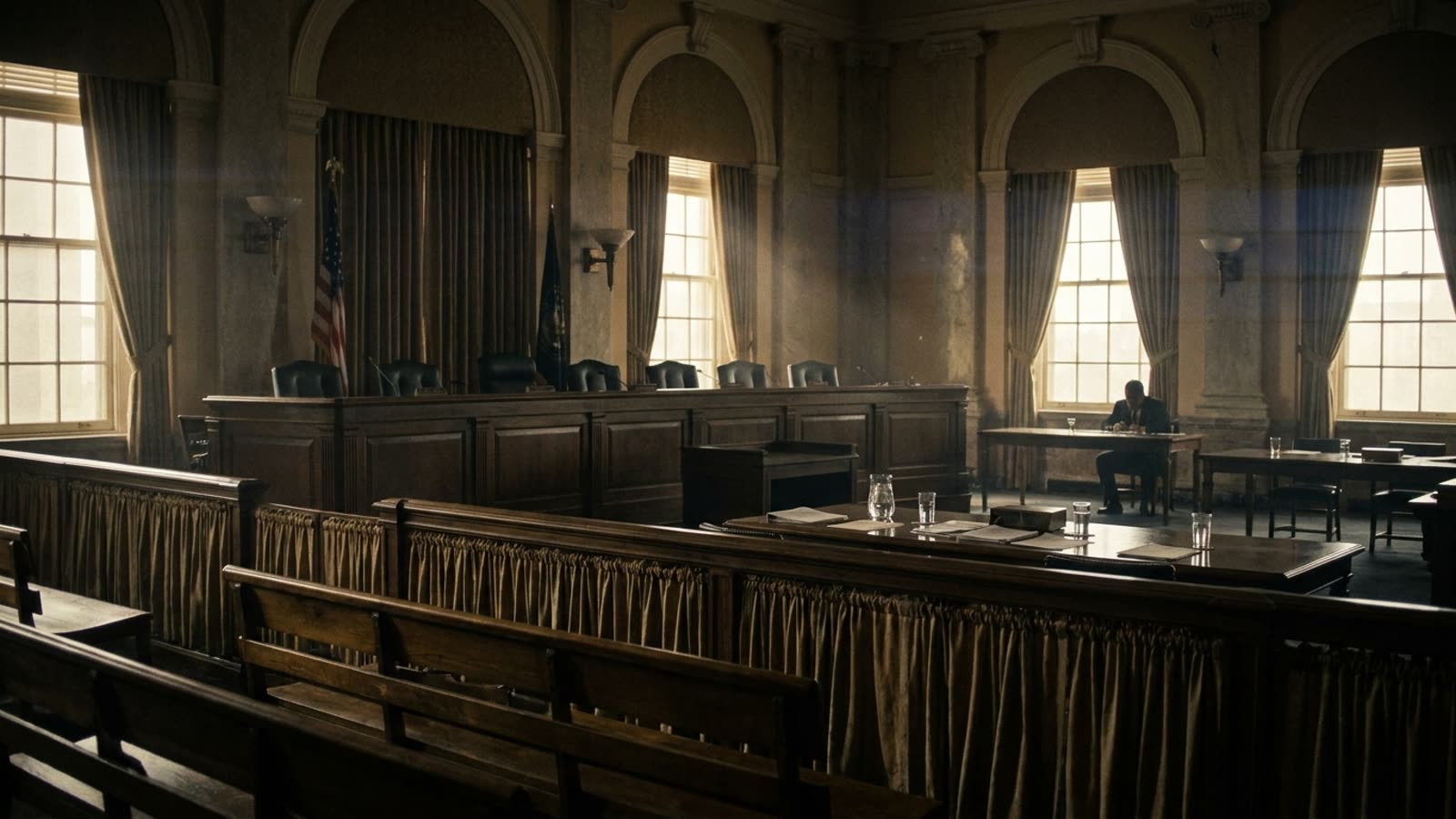
The televised hearings are theater. The real confirmation battle happens in the months before a nominee sits at that witness table, in the years of judicial record-building that precede any shortlist, and in the raw arithmetic of Senate seats that determines whether a president's choice will ever receive a vote at all.
The United States Constitution grants the president power to nominate Supreme Court justices "with the advice and consent of the Senate." Those eleven words have generated two centuries of evolving practice, strategic innovation, and occasional constitutional crisis. What appears to be a straightforward appointment process is in fact a multi-stage campaign where the outcome often depends on factors entirely unrelated to a nominee's legal philosophy or professional competence.
The invisible primary
Long before a vacancy occurs, the machinery of judicial selection operates continuously. Conservative and progressive legal networks maintain competing pipelines of potential nominees, tracking promising lawyers from law school through clerkships, into the Federalist Society or American Constitution Society, through federal appellate appointments, and onto informal shortlists. Presidents inherit these ecosystems rather than building them from scratch.
The vetting process that follows a vacancy announcement is exhaustive but compressed. The FBI conducts background investigations. White House counsel reviews every published opinion, law review article, and public statement. Opposition researchers do the same, hunting for disqualifying material. A nominee's paper trail—or strategic lack thereof—becomes the first battlefield.
The arithmetic of consent
Senate confirmation requires a simple majority, but reaching a vote requires navigating the chamber's procedural labyrinth. Until 2017, Supreme Court nominees could be blocked by filibuster, requiring sixty votes to proceed. That threshold's elimination transformed the calculus entirely: a president whose party controls the Senate now faces few structural obstacles to confirmation.
This shift elevated the importance of timing to near-determinative status. A vacancy occurring when the president's party holds the Senate majority produces confirmation. A vacancy during divided government produces deadlock, delay, or the kind of constitutional hardball that defined the final year of the Obama administration, when Senate leadership refused to hold hearings for a nominee with nine months remaining before the election.
What the hearings actually accomplish
The multi-day hearings before the Senate Judiciary Committee serve purposes largely unrelated to evaluating judicial fitness. Nominees have learned to say almost nothing of substance, deflecting questions about how they might rule with invocations of judicial independence and the impropriety of prejudging cases. Senators use their questioning time to perform for constituents and interest groups rather than to probe legal reasoning.
The hearings do serve one genuine function: they provide a forum for opposition to surface damaging information. Testimony from witnesses, whether alleging professional misconduct or personal impropriety, can shift the narrow margins that determine confirmation in a closely divided Senate. But absent such revelations, the hearings ratify rather than determine outcomes.
Our take
The confirmation process has become a pure exercise in political power, and pretending otherwise serves no one. The question is not whether a nominee is qualified—virtually all recent nominees have been credentialed beyond serious dispute—but whether the political conditions exist for confirmation. This is not a corruption of the constitutional design; it is the constitutional design operating as written, with the Senate exercising its coordinate authority over judicial appointments. The founders created a political process. Americans should stop expecting it to be anything else.