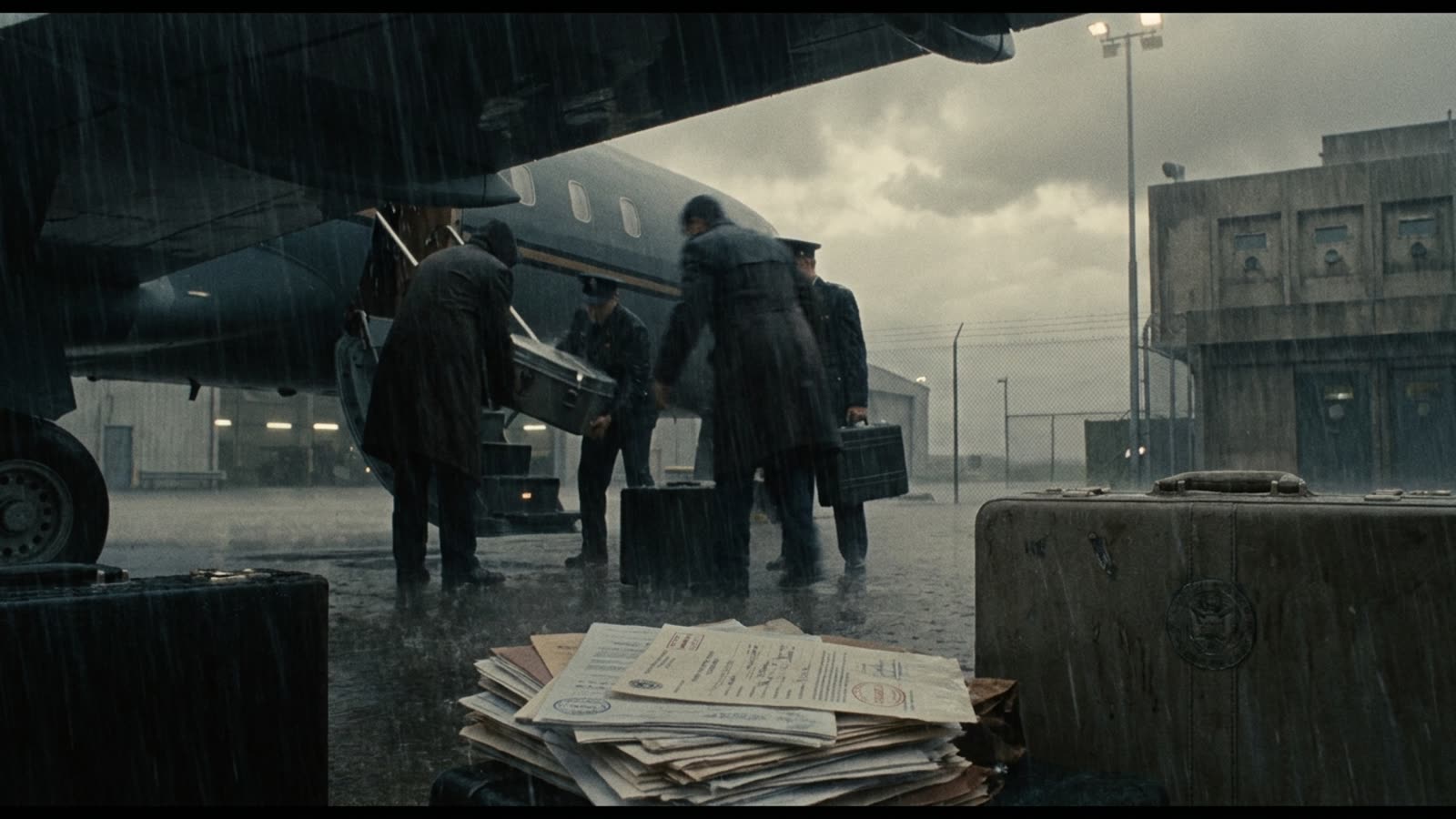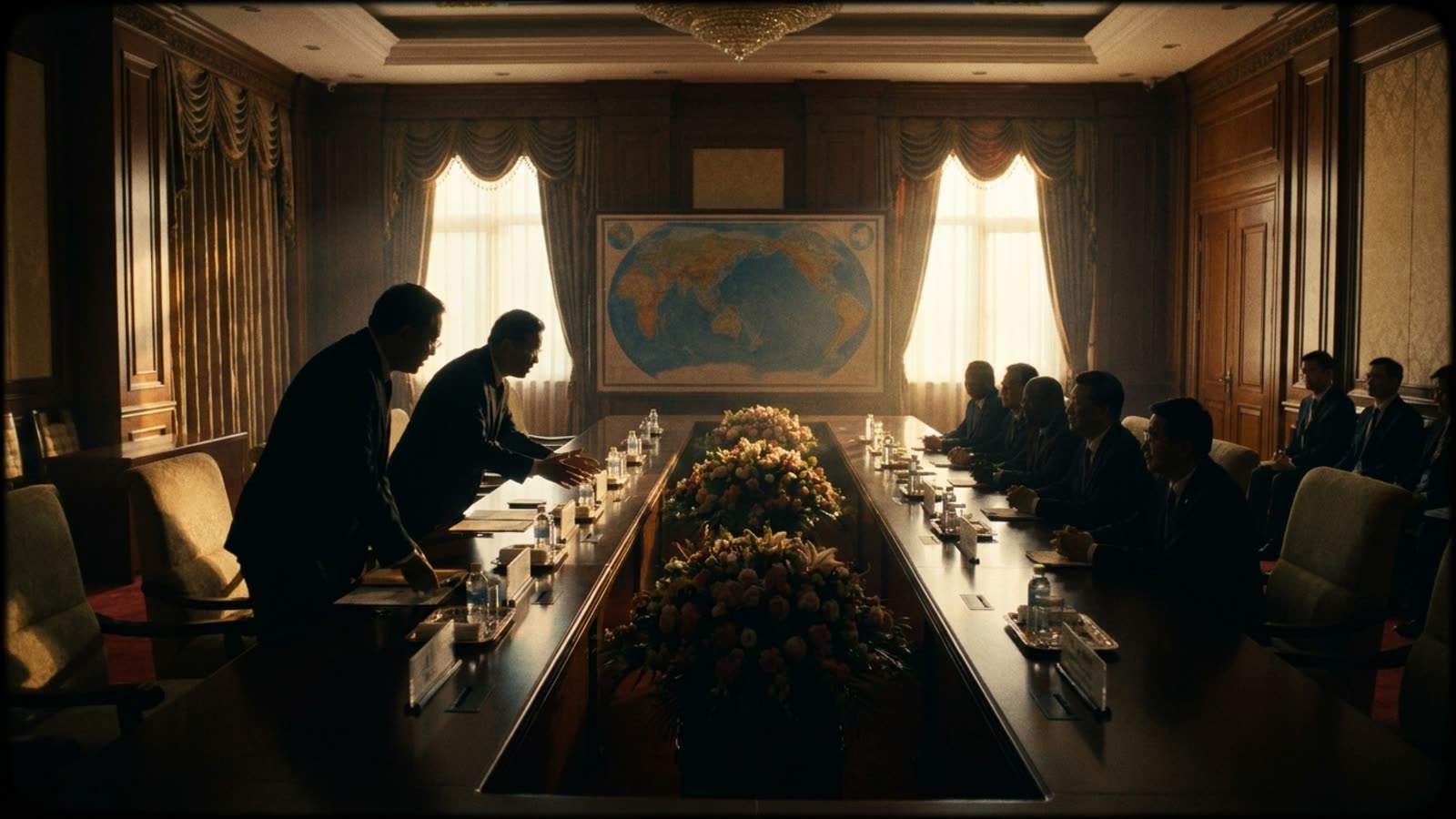
The state of emergency was supposed to be rare. In constitutional theory, it exists as a pressure valve — a brief suspension of normal procedure so executives can respond to genuine crises without waiting for legislative deliberation. In practice, it has become something closer to a parallel operating system for democratic governance, running quietly in the background while the official machinery of checks and balances performs its rituals in the foreground.
This is not a story about authoritarianism creeping in through the back door, though that framing sells books. It is a subtler problem: the gradual normalization of exceptional authority until the exception becomes indistinguishable from the rule.
The architecture of exception
Most democracies inherited their emergency frameworks from wartime necessity or colonial administration, then retrofitted them for peacetime use. The United States operates under the National Emergencies Act of 1976, which was itself a reform measure — Congress attempting to rein in executive overreach after Vietnam and Watergate. The law requires presidents to cite specific statutory authorities when declaring emergencies and mandates congressional review. In theory, emergencies expire unless renewed. In practice, dozens of declared emergencies have remained active for decades, renewed perfunctorily, their original justifications long forgotten by everyone except the bureaucrats who administer the sanctions or travel restrictions they authorize.
France's state of emergency provisions, rooted in a 1955 law drafted during the Algerian War, allow expanded police powers including house arrest without judicial approval and the dissolution of associations deemed threatening. After terrorist attacks in 2015, France maintained emergency status for nearly two years before eventually incorporating many of its provisions into ordinary law — a common endpoint for temporary measures.
The pattern repeats across democracies: emergency declared, powers exercised, crisis recedes, powers remain.
Why legislatures acquiesce
The puzzle is not why executives reach for emergency authority — the incentives are obvious. The puzzle is why legislatures, ostensibly jealous guardians of their prerogatives, so consistently fail to claw it back. Part of the answer is structural: emergency powers often come bundled with popular crisis responses, making opposition politically costly. Voting against an emergency declaration can be framed as voting against action itself.
But the deeper issue is informational asymmetry. Executives control the intelligence and expertise that define what constitutes a crisis. Legislators, particularly in systems without robust committee staffing, must either accept the executive's characterization or appear to be second-guessing professionals during moments of public anxiety. The rational legislative response is often to grant authority now and promise oversight later — oversight that rarely materializes with any rigor.
The accountability gap
Courts have proven inconsistent guardians. Judicial review of emergency measures tends toward deference, particularly when national security is invoked. Judges are reluctant to substitute their judgment for executive expertise in fast-moving situations, and by the time cases reach appellate review, the immediate crisis has often passed, rendering challenges moot. The legal doctrine that emerges from these cases tends to expand rather than constrain future executive discretion.
The result is a governance model where significant policy decisions — trade restrictions, surveillance programs, military deployments, public health mandates — increasingly flow through emergency channels that bypass the deliberative processes constitutions were designed to protect. The formal separation of powers remains intact on paper while substantive authority migrates steadily toward the executive branch.
Our take
The honest assessment is uncomfortable for partisans on all sides: emergency governance is not a bug exploited by one party or ideology but a feature that every modern executive finds useful and every legislature finds convenient to tolerate. The solution is not abolition — genuine emergencies exist and require rapid response. It is sunset clauses with teeth, mandatory legislative reauthorization that cannot be waived, and judicial review standards that do not collapse into pure deference the moment the word "emergency" appears in a filing. These reforms are perpetually unpopular because they constrain whoever holds power at the moment. Which is precisely why they matter.