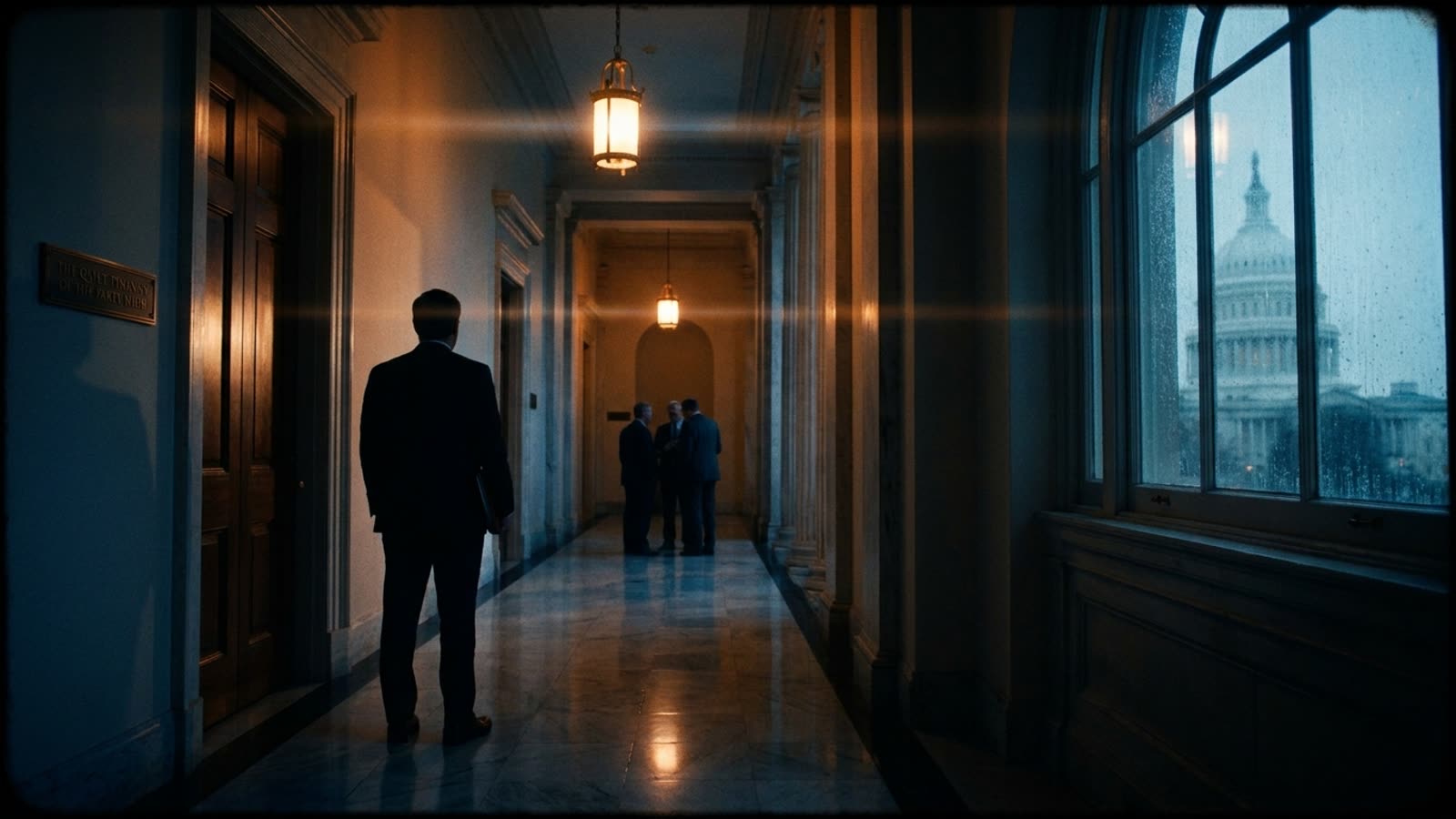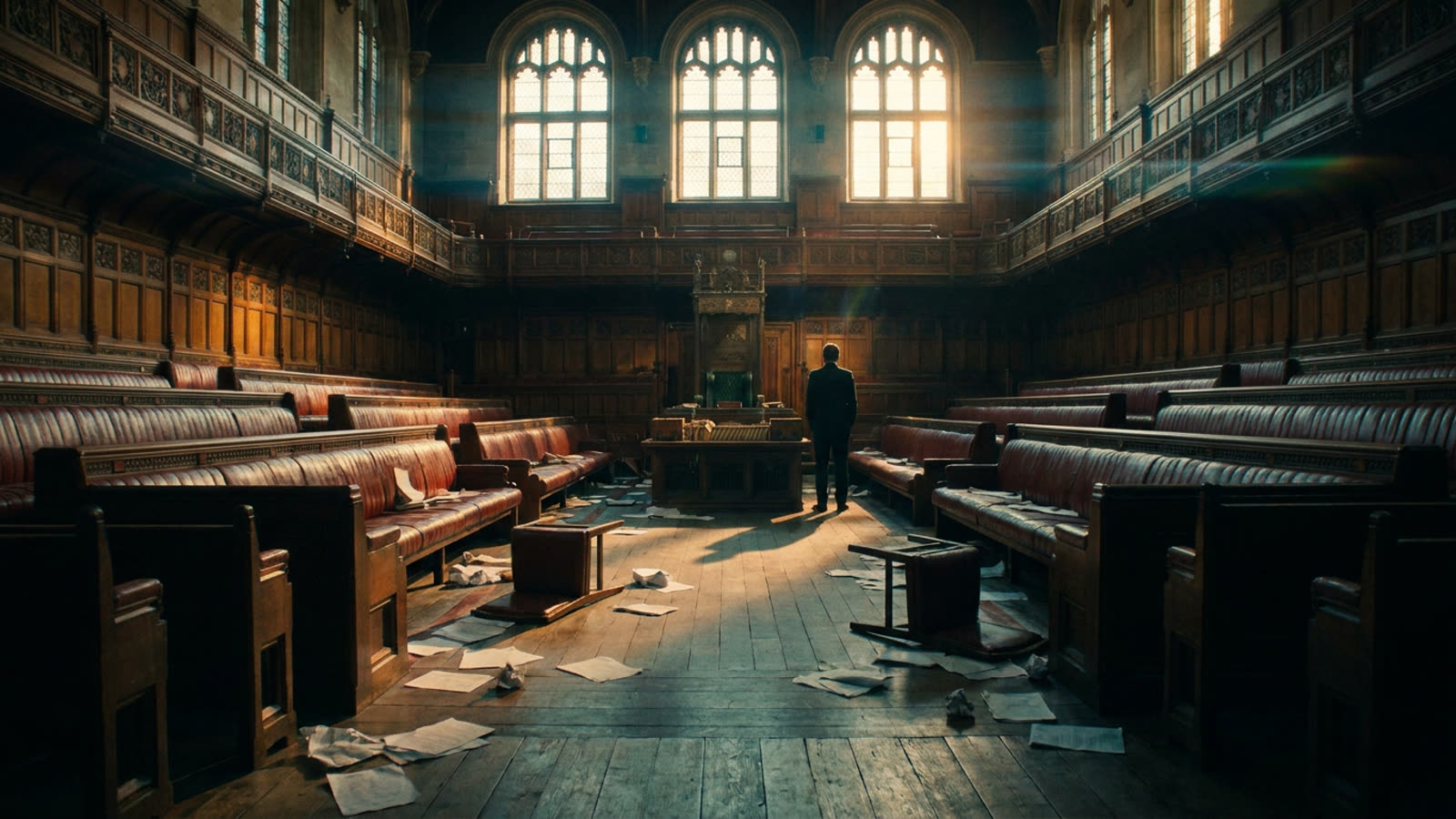
In presidential systems, elections arrive like clockwork. In parliamentary democracies, they arrive like thunderstorms — sometimes scheduled, often sudden, always at someone's strategic convenience. The power to dissolve a parliament and trigger fresh elections is one of the most consequential and least understood levers in democratic governance.
The basic principle sounds simple: when a government loses the confidence of the legislature, or when political circumstances demand a fresh mandate, parliament is dissolved and voters are summoned. In practice, dissolution is a chess match played between prime ministers, monarchs, presidents, and opposition leaders, with the electorate as both audience and ultimate arbiter.
The sovereign's shadow
In constitutional monarchies from the United Kingdom to Canada to Australia, dissolution technically remains a royal prerogative. The prime minister requests dissolution; the monarch grants it. This sounds ceremonial until it isn't. In 1975, Australia's Governor-General dismissed Prime Minister Gough Whitlam and dissolved parliament during a budget crisis — a constitutional earthquake that still reverberates through Australian politics. The episode demonstrated that reserve powers, however dusty, are not purely decorative.
The British system evolved differently. Until 2011, prime ministers could essentially choose their election timing, requesting dissolution from the Crown whenever the political winds seemed favorable. Margaret Thatcher and Tony Blair both exploited this advantage masterfully. The Fixed-term Parliaments Act attempted to regularize the calendar, but proved so unwieldy that it was repealed in 2022, restoring prime ministerial discretion. The pendulum swings.
Constructive distrust
Germany's Basic Law introduced an elegant innovation after the Weimar Republic's instability: the constructive vote of no confidence. A chancellor cannot simply be voted out; parliament must simultaneously vote in a successor. This prevents the negative majorities that plagued interwar Germany, where communists and fascists could unite to destroy governments without agreeing on replacements.
The mechanism has been tested only twice successfully since 1949 — Helmut Schmidt fell to Helmut Kohl in 1982 through this procedure. The high bar for removal creates stability but also rigidity; unpopular governments can limp forward because fractious oppositions cannot coalesce around an alternative.
The snap election gamble
Calling early elections is a gamble that has broken as many leaders as it has elevated. Theresa May's 2017 snap election, called to strengthen her Brexit mandate, cost her parliamentary majority instead. Jacques Chirac's 1997 dissolution handed France to the Socialists. The annals of parliamentary democracy are littered with prime ministers who saw favorable polls, reached for dissolution, and watched their majorities evaporate during the campaign.
Yet the temptation persists because the alternative — governing with a hostile or fractured legislature — can be worse than the risk of losing. Dissolution is the escape hatch, the reset button, the appeal to the ultimate authority.
Our take
Dissolution powers reveal something essential about parliamentary democracy: it is designed to be unstable in productive ways. The permanent possibility of electoral reckoning disciplines governments and oppositions alike. Presidential systems trade this flexibility for predictability, but predictability has costs too — lame-duck periods, gridlock without resolution, the impossibility of early escape from failed mandates. The parliamentary dissolution mechanism is messy, manipulable, and occasionally dramatic. It is also, on balance, democracy's pressure valve.