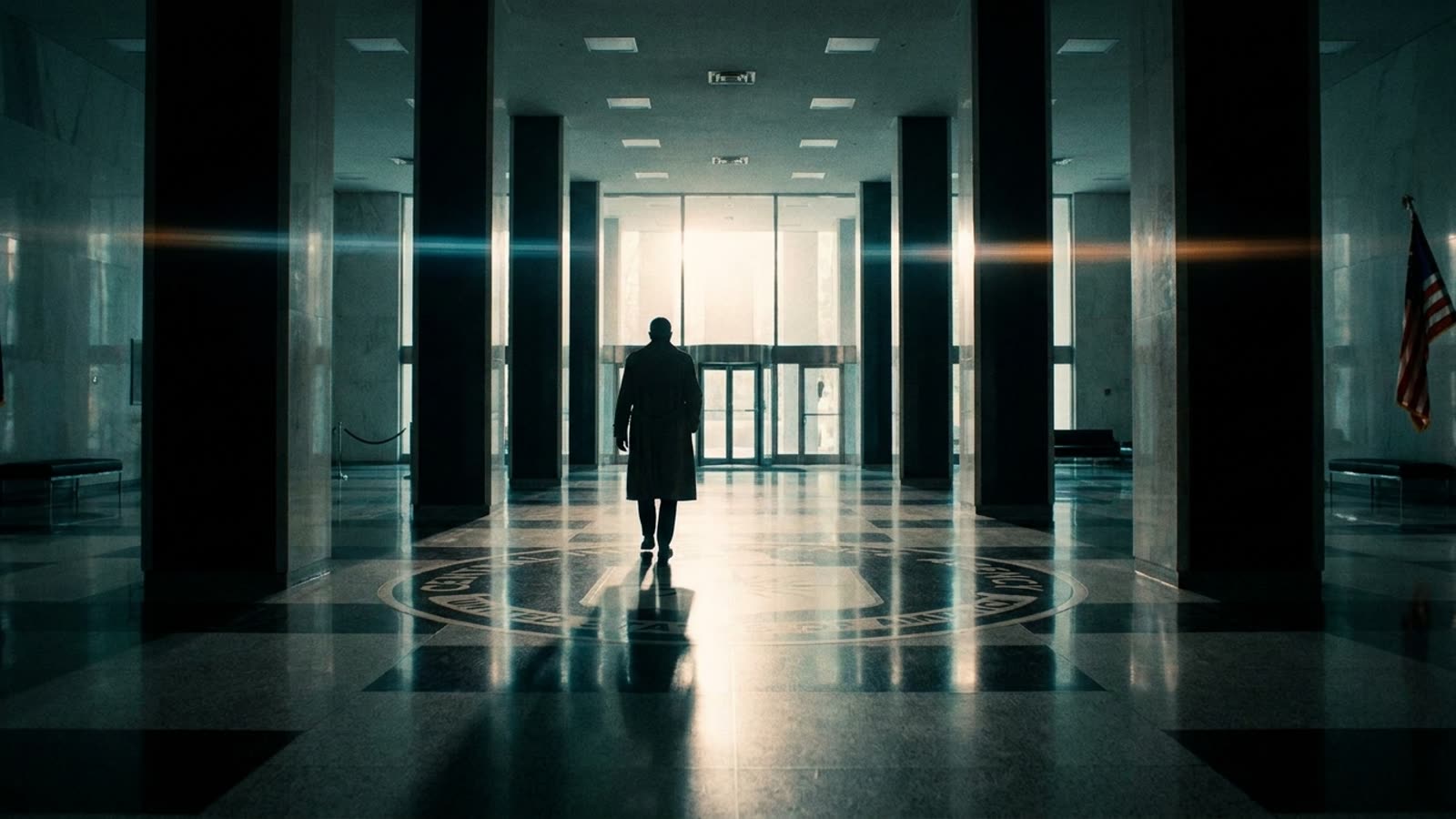
The fiction persists that intelligence agencies serve at the pleasure of elected governments, gathering information that politicians then use to make decisions. The reality is considerably messier. Through their control of what gets collected, how it gets interpreted, and when it gets shared, intelligence services wield a form of power that operates largely outside democratic accountability—not through conspiracy, but through the mundane mechanics of bureaucratic advantage.
This is not a story about rogue agencies or deep-state machinations. It is about something more structural: the way information monopolies inevitably shape the decisions of those who depend on them.
The briefer's privilege
Consider the daily intelligence brief delivered to heads of government across the Western world. The document appears neutral—a digest of threats, developments, and assessments. But every brief reflects countless editorial choices: what gets included, what gets omitted, what gets flagged as urgent, what gets buried in annexes. A president or prime minister reading these documents is not receiving raw truth; they are receiving a curated narrative assembled by professionals with their own institutional interests, analytical frameworks, and career incentives.
The asymmetry compounds over time. Intelligence officers spend decades developing expertise in specific regions or threats. Elected officials rotate through positions every few years, arriving with strong opinions but shallow knowledge. The natural result is deference—not because politicians are weak, but because the alternative is to second-guess experts on matters where the politician cannot independently verify anything.
The assessment game
Intelligence assessments carry a peculiar epistemic weight. When an agency declares that a foreign government "probably" intends a particular action, that probability is not derived from any statistical model. It is a judgment call, shaped by institutional culture, past failures, and the career consequences of being wrong in different directions. Agencies that missed threats tend to over-warn; those embarrassed by false alarms grow cautious.
The Iraq weapons-of-mass-destruction debacle illustrated how this dynamic can catastrophically fail. But the more common pattern is subtler: assessments that tilt policy in directions the agency prefers, without ever crossing into outright fabrication. A threat inflated here, a diplomatic opening downplayed there—the cumulative effect is substantial, and largely invisible to outside scrutiny.
Oversight's inherent limits
Parliamentary and congressional oversight committees exist precisely to check this power. In practice, their effectiveness varies enormously. Committee members face the same information asymmetry as executives, compounded by limited staff and competing demands on their time. Classification rules prevent them from discussing what they learn with colleagues or constituents. And the agencies themselves control much of what the committees see.
The most effective oversight tends to come not from formal structures but from internal dissent—whistleblowers, inspector general investigations, and the occasional journalist with well-placed sources. These mechanisms are sporadic and often punished rather than rewarded.
Our take
None of this makes intelligence agencies villains. They employ dedicated professionals doing difficult work under genuine constraints. But the pretense that they are merely neutral instruments of elected power serves no one. A more honest conversation would acknowledge that these institutions have interests, perspectives, and influence that operate semi-independently of democratic control. The question is not whether this is true—it manifestly is—but whether democracies can develop better mechanisms for managing the tension. So far, the record is not encouraging.