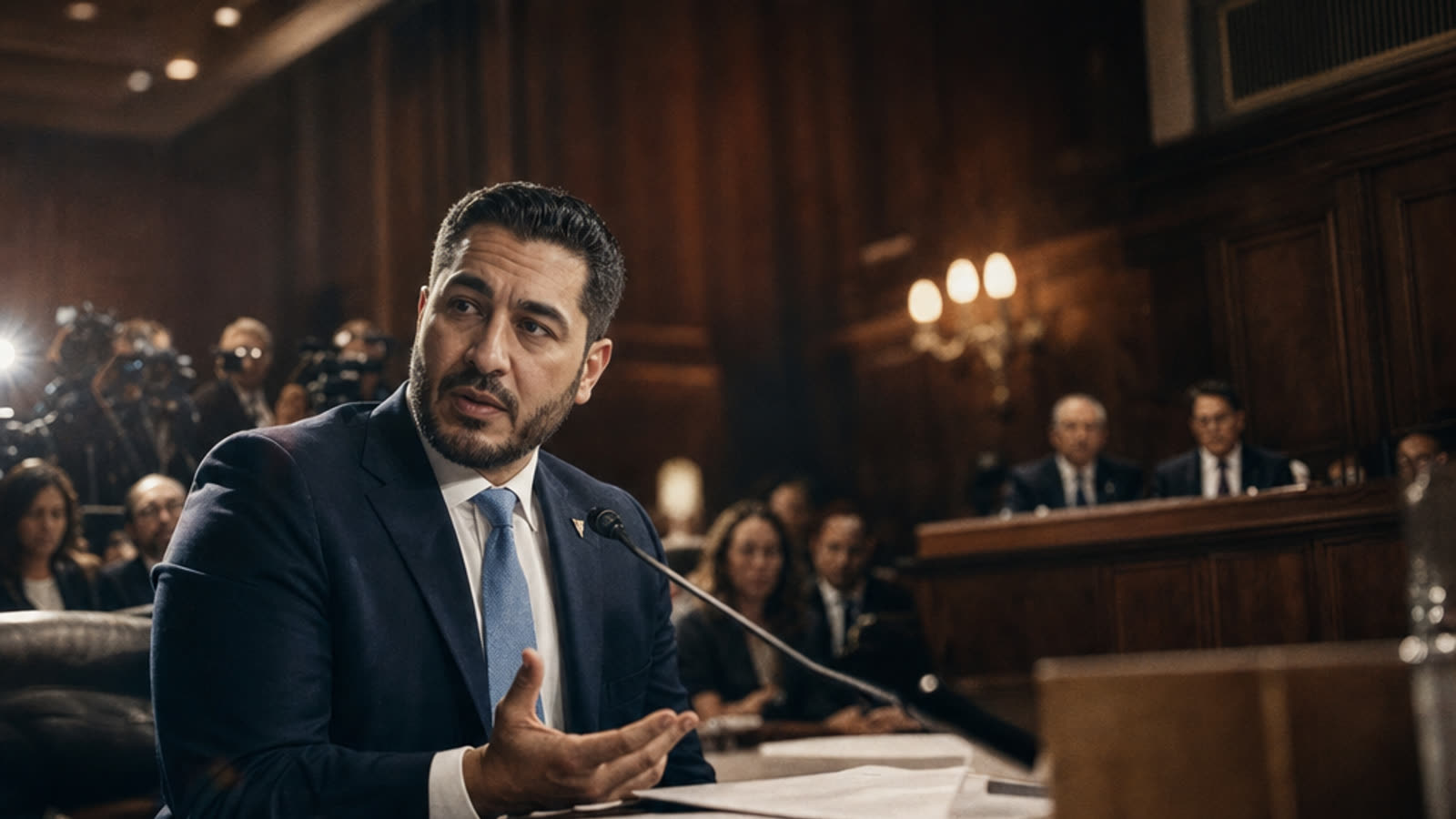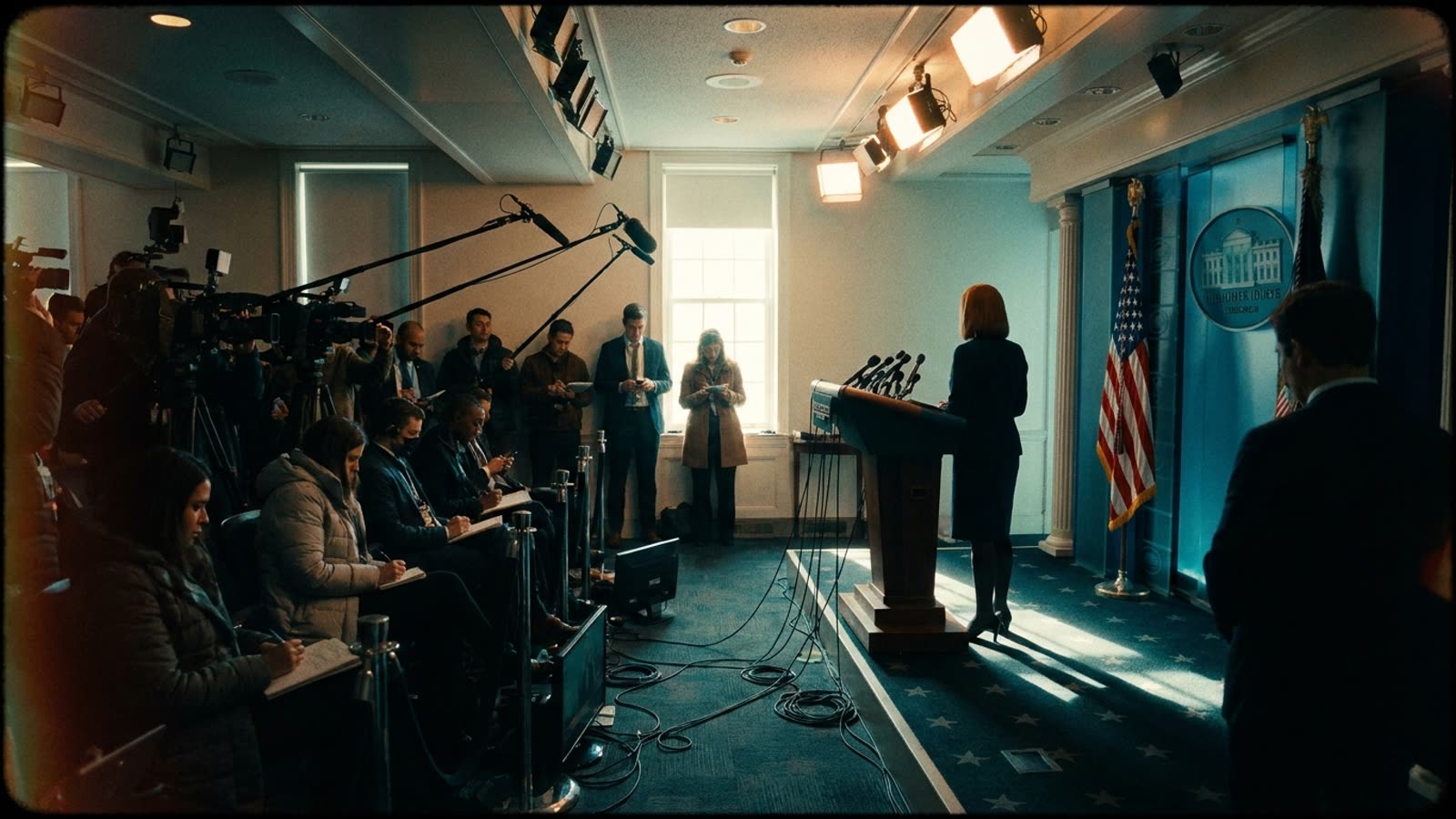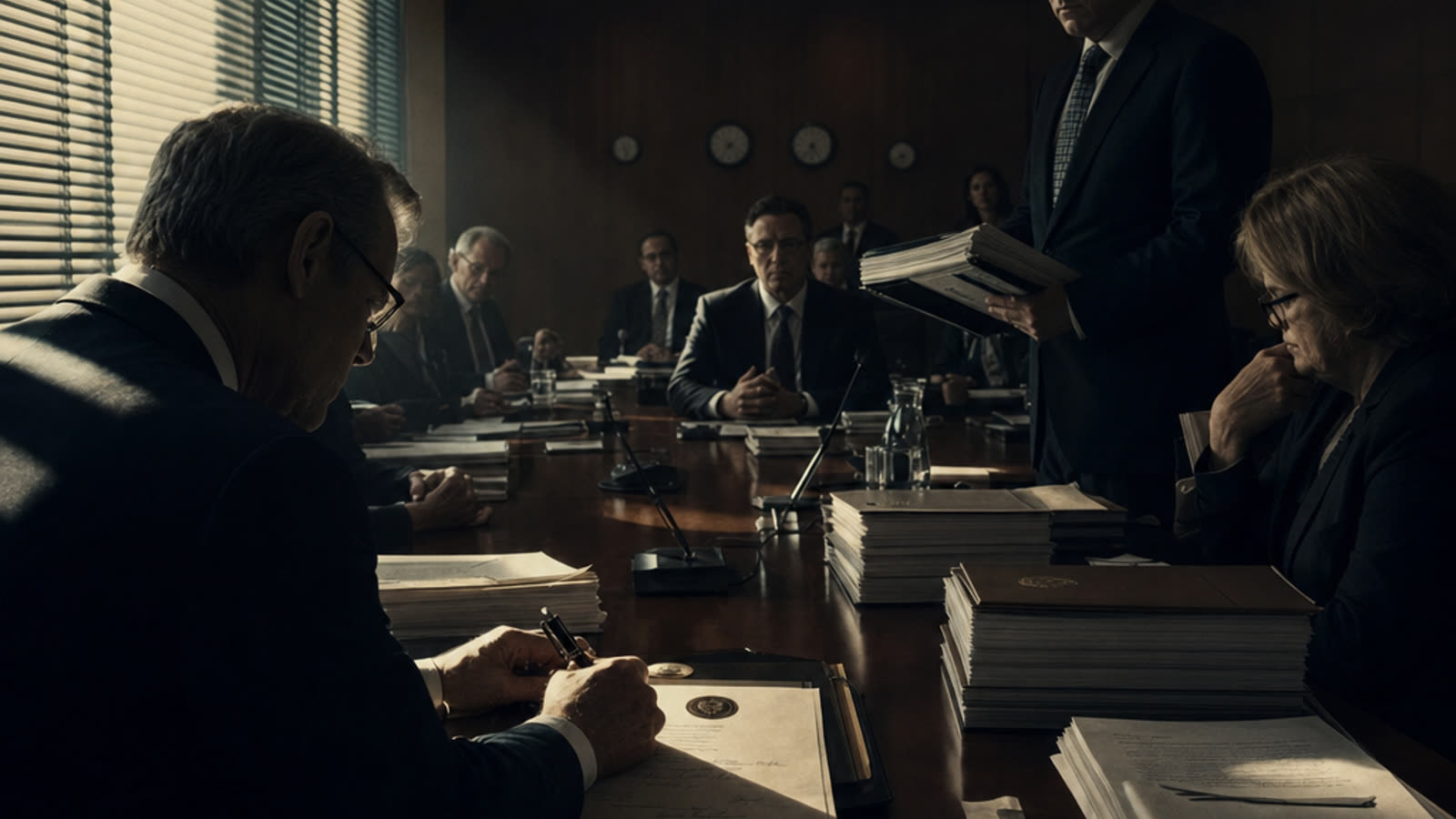
The moment a democracy becomes real is not when citizens cast ballots, nor when television networks project winners. It occurs later, in rooms that rarely make the news, when designated officials — often county clerks, magistrates, or appointed commissioners — affix signatures to certification documents that transmute counted votes into binding legal outcomes. This administrative ritual, so mundane it was historically ignored by political science curricula, has emerged as the load-bearing wall of electoral legitimacy.
Understanding certification requires abandoning the civics-class notion that elections are self-executing. They are not. Between the final vote tally and the official result lies a procedural chasm that must be bridged by human beings exercising judgment under statutory authority.
The mechanics of making votes legal
Certification processes vary dramatically across democracies, but they share a common logic: an authorised body reviews the count, confirms it meets legal requirements, and issues a document declaring the result official. In the United States, this typically occurs at the county level first, then aggregates upward to state certification, and finally to congressional certification for presidential elections. In parliamentary systems like Germany or India, electoral commissions perform analogous functions, often with more centralised authority.
The certifying official's role was long considered ministerial — a rubber stamp applied after the real work of counting concluded. This characterisation was always somewhat misleading. Certifiers have historically possessed discretion to reject returns they deem irregular, request recounts, or delay certification pending resolution of disputes. What changed in recent years is not the legal architecture but the political attention paid to it.
When the rubber stamp becomes a weapon
The vulnerabilities embedded in certification became globally visible during contested elections in the United States, Brazil, Kenya, and elsewhere. Partisan actors recognised that officials with certification authority could, theoretically, refuse to certify results they disliked — or at minimum, delay certification past statutory deadlines, creating chaos. Some jurisdictions responded by clarifying that certification duties are mandatory and non-discretionary. Others found their legal frameworks ambiguous enough to invite brinkmanship.
The deeper issue is structural. Certification systems were designed for an era when losing candidates conceded and the legitimacy of vote-counting was broadly accepted. They assumed good faith. When that assumption fails, the ministerial becomes existential.
The global patchwork
Comparative analysis reveals no consensus model. France centralises certification authority in the Constitutional Council, a body of nine jurists who rule on electoral validity with minimal procedural drama. Mexico created an elaborate electoral tribunal system after decades of disputed results, investing heavily in perceived independence. The United Kingdom, characteristically, muddles through with returning officers who are typically local council chief executives performing certification as one duty among many.
Each approach carries trade-offs. Centralised systems concentrate risk — a compromised commission can delegitimise an entire national election. Decentralised systems, like America's county-based model, distribute risk but create thousands of potential failure points and wildly inconsistent practices.
Our take
Certification is democracy's notary function, and notaries are boring until someone refuses to notarise. The officials who perform this work deserve neither the heroic framing some partisans bestow upon them nor the villainous treatment others deploy. They are bureaucrats operating within legal frameworks that were never stress-tested for an era of endemic distrust. The urgent project for democratic reformers is not to lionise or demonise certifiers but to clarify their mandates, remove ambiguity from statutes, and build systems that do not depend on individual courage to function. Democracy should not require heroes in windowless rooms. It should require clear law.