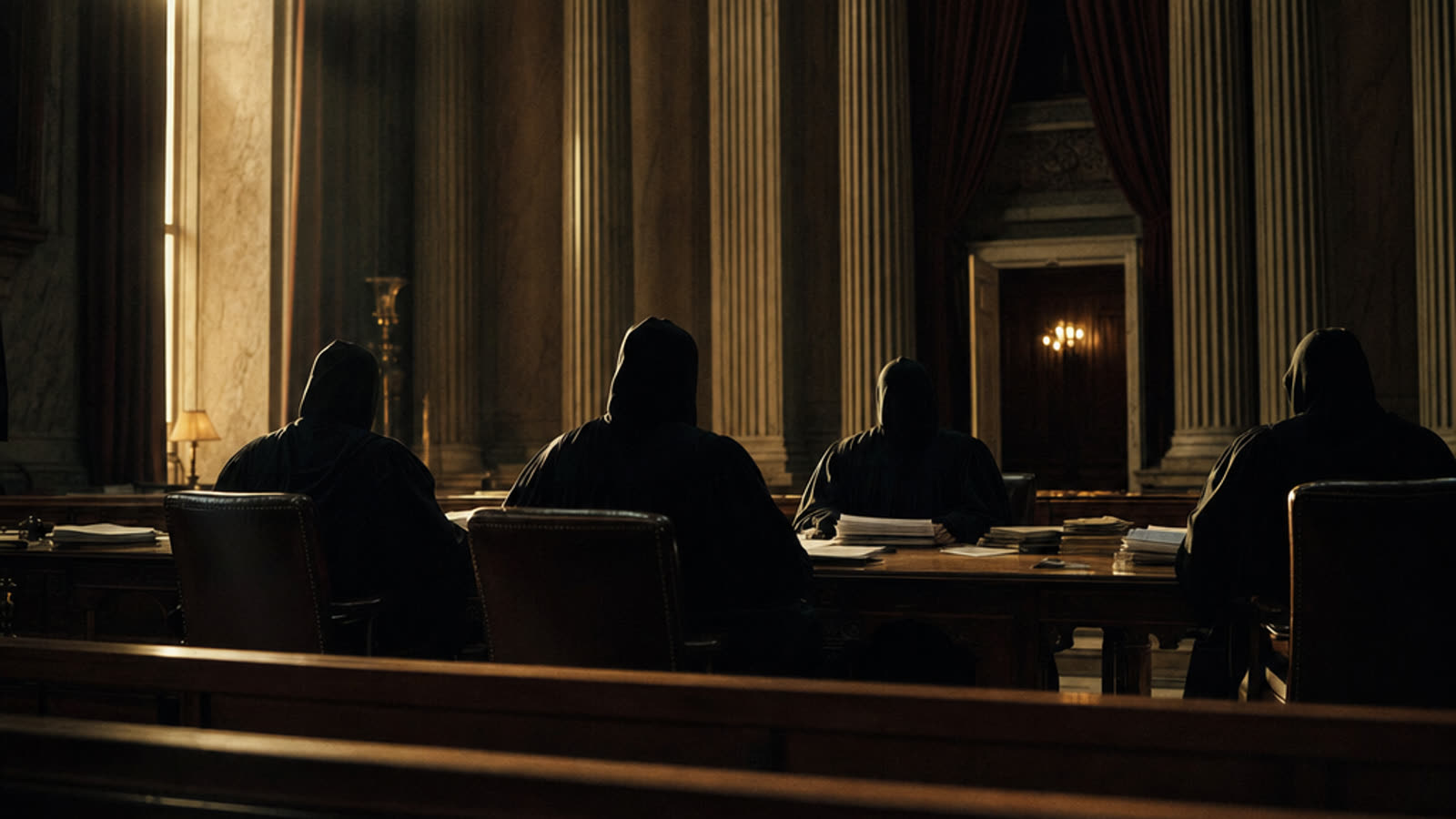
In nearly every constitutional democracy, a small group of unelected jurists holds the power to nullify laws passed by elected majorities, reshape social policy, and define the boundaries of executive authority. This is not a bug in democratic design; it is a deliberate feature—one that has become more consequential as political polarization strains the other branches of government.
The premise is deceptively simple: a written constitution means little without an institution empowered to interpret and enforce it. But the practice is anything but simple. Constitutional courts operate in a permanent tension between legal reasoning and political reality, between democratic legitimacy and counter-majoritarian power.
The German model and its global offspring
The modern constitutional court traces its intellectual lineage to the Austrian jurist Hans Kelsen, who designed the world's first dedicated constitutional tribunal in 1920. But it was postwar West Germany that refined the concept into its most influential form. The Bundesverfassungsgericht, established in 1951, was explicitly designed to prevent a repeat of the Weimar Republic's collapse—a democracy that voted itself out of existence. The court was given sweeping powers: the authority to ban political parties, to review laws before they take effect, and to hear individual constitutional complaints from ordinary citizens.
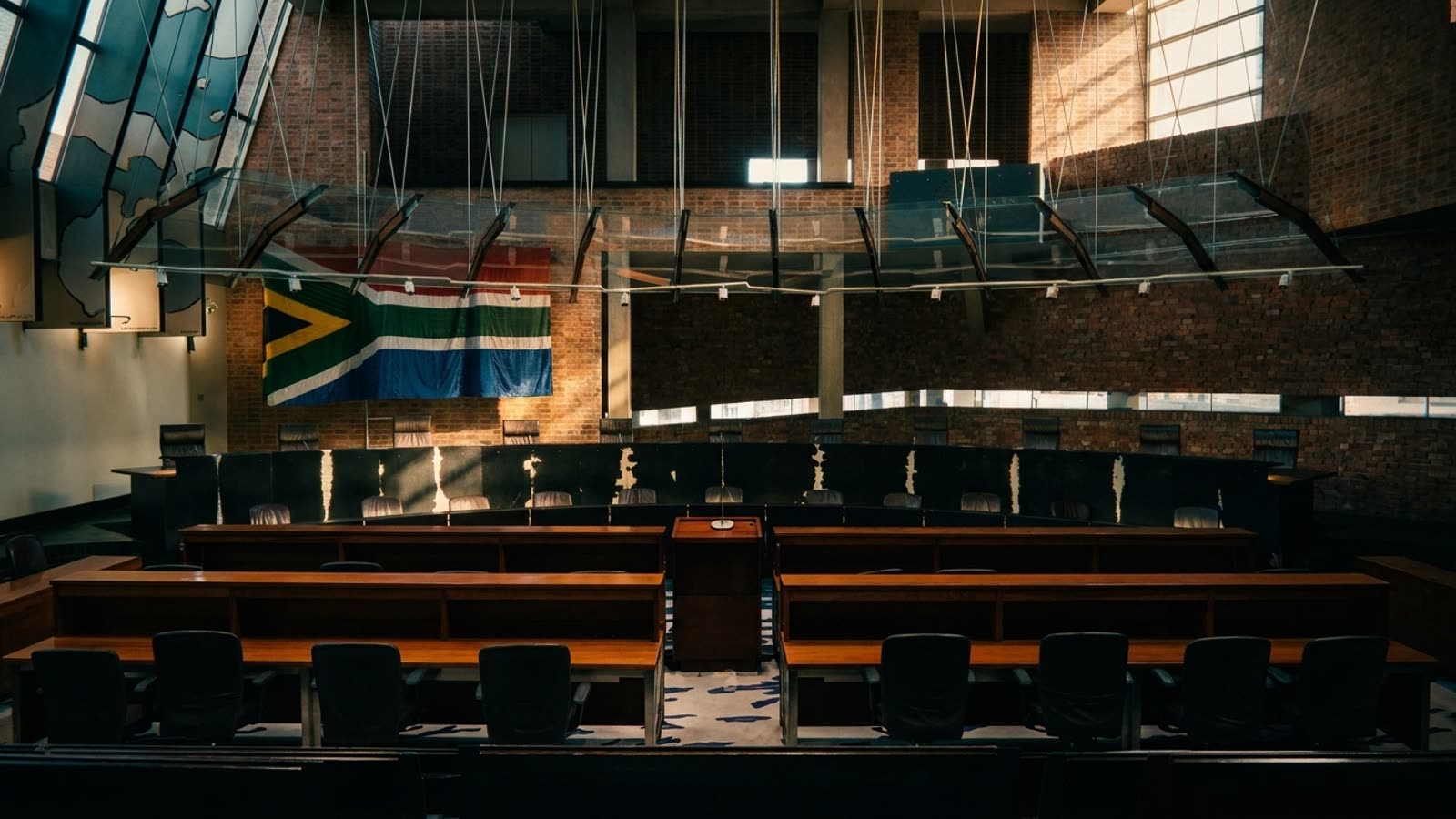
This German model proliferated rapidly after the Cold War. Spain, Portugal, and the post-Soviet states adopted variations. South Africa's Constitutional Court, born from the negotiations that ended apartheid, became perhaps the most ambitious experiment—tasked not merely with limiting government power but with actively advancing socioeconomic rights. When the South African court ordered the government to provide antiretroviral drugs to prevent mother-to-child HIV transmission, it demonstrated how constitutional adjudication could reach deep into budgetary and policy terrain traditionally reserved for legislatures.
The counter-majoritarian difficulty
The fundamental challenge facing constitutional courts is what the legal scholar Alexander Bickel called the "counter-majoritarian difficulty." If democracy means rule by the people through elected representatives, how can unelected judges legitimately override those representatives? The standard answer—that courts merely enforce the higher law of the constitution, itself a product of democratic will—is elegant but incomplete. Constitutions are written in broad language. Words like "equal protection," "due process," and "human dignity" require interpretation, and interpretation inevitably involves judgment calls that reasonable people can dispute.
Different courts have developed different strategies for managing this tension. The German court has cultivated a reputation for technical rigor and political neutrality, issuing exhaustively reasoned opinions that run to hundreds of pages. The Israeli Supreme Court, by contrast, embraced a more openly activist posture under Chief Justice Aharon Barak, asserting the authority to review virtually any government action—a stance that made it powerful but also deeply controversial. The Indian Supreme Court has pioneered "public interest litigation," allowing citizens to bring cases on behalf of marginalized groups, effectively positioning itself as a backstop for a frequently gridlocked parliament.
When courts become the battlefield
The growing power of constitutional courts has made them targets. In Hungary and Poland, governing parties have sought to pack courts with loyalists or strip them of jurisdiction. In the United States, Supreme Court nominations have become pitched political battles, with each vacancy treated as an existential struggle. This politicization creates a feedback loop: the more courts decide contested social questions, the more political actors seek to control them; the more politicized the appointment process becomes, the harder it is for courts to maintain the perception of neutrality that underwrites their authority.
Yet the alternative—leaving constitutional interpretation entirely to elected majorities—has its own risks. Rights that protect minorities, by definition, cannot rely on majority support. The very purpose of constitutional entrenchment is to place certain principles beyond the reach of ordinary politics.
Our take
Constitutional courts are neither the heroic guardians of liberty their admirers imagine nor the undemocratic usurpers their critics decry. They are institutions that translate abstract principles into concrete rules, and that translation is inherently contestable. The healthiest democracies are those that maintain productive tension between judicial review and political accountability—where courts are strong enough to check genuine abuses but restrained enough to leave room for democratic disagreement. The worst outcome is not a court that occasionally gets it wrong; it is a court so weakened or captured that it cannot get it right when it matters most.