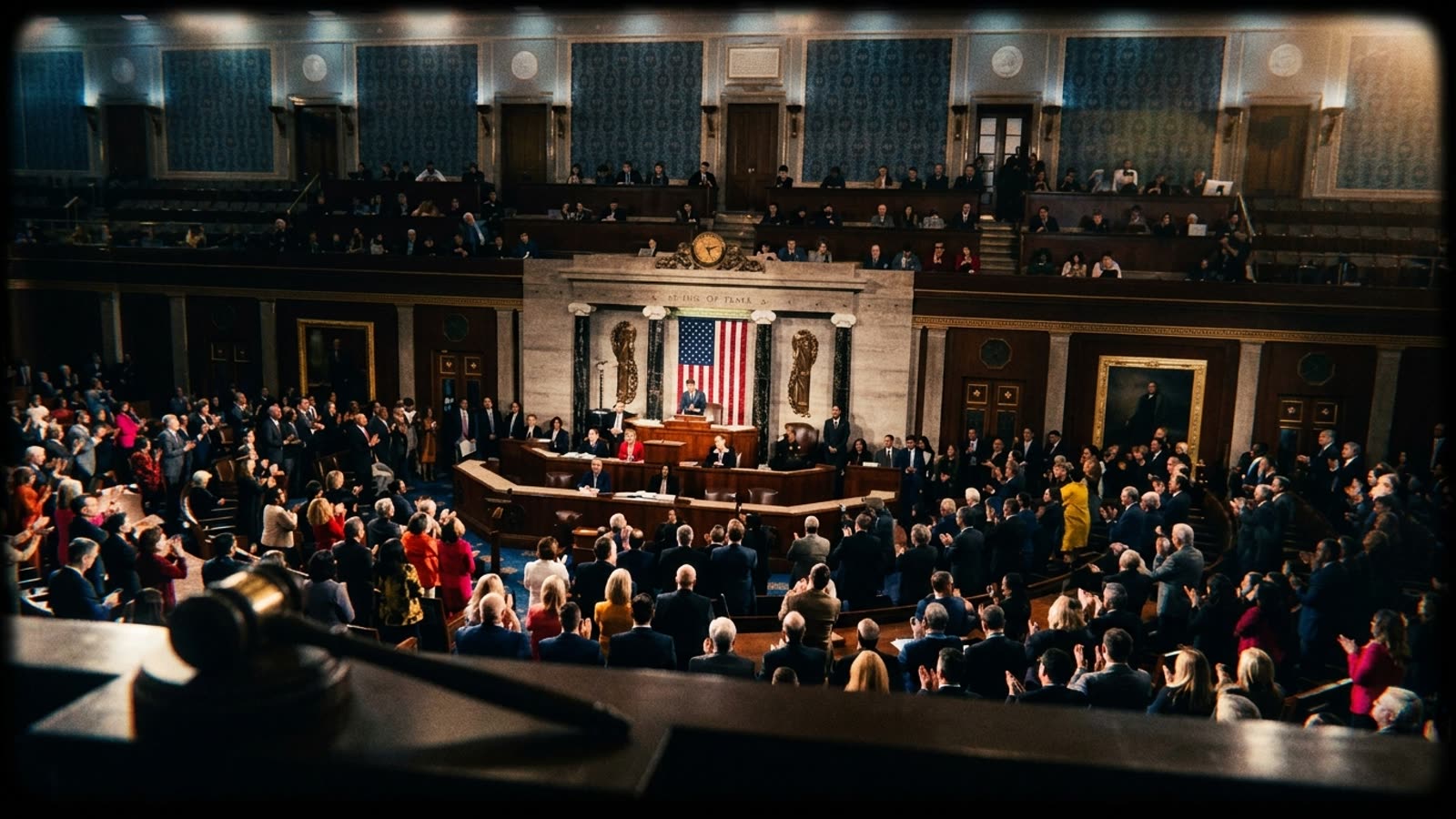
Single-party majority government—the kind Americans and Britons grew up treating as normal—is actually the global exception. In most democracies, no single party commands a legislative majority, which means governing requires the formal or informal cooperation of multiple parties with conflicting interests, incompatible voter bases, and leaders who may genuinely despise each other. This is coalition politics, and understanding how it works reveals why so many democracies seem perpetually gridlocked, why small parties wield outsized power, and why some of the world's most stable countries are governed by arrangements that look, from the outside, like recipes for chaos.
The formateur's burden
After an election produces no clear winner, most parliamentary systems designate a formateur—typically the leader of the largest party—to negotiate a governing coalition. This process can take days (Canada) or months (Belgium once went 541 days without a government). The formateur must assemble parties whose combined seats exceed the majority threshold, but arithmetic is only the beginning. Each potential partner brings policy demands, ministerial ambitions, and red lines. The Greens want climate commitments; the liberal party wants tax cuts; the regional party wants autonomy provisions. The formateur's job is finding the zone where these demands overlap enough to produce a coalition agreement—a detailed contract, sometimes running hundreds of pages, that specifies policy commitments, cabinet distribution, and dispute resolution mechanisms.
Why small parties punch above their weight
Coalition mathematics creates leverage inversions that seem counterintuitive. A party with eight percent of seats can become indispensable if it's the only viable partner that gets a coalition over the majority line. Israel's ultra-Orthodox parties have perfected this dynamic, extracting concessions on military service exemptions and religious funding far exceeding their vote share. Germany's Free Democrats, perpetually around the five-percent threshold, have served in more federal governments than their electoral performance would suggest possible. This isn't a bug—it's the structural logic of coalition bargaining. The pivotal party, regardless of size, captures disproportionate rents.
The stability paradox
Coalition governments appear fragile—any partner can theoretically withdraw and collapse the arrangement. Yet the countries with the longest-running coalition traditions (the Netherlands, the Nordic states, Germany, Switzerland) rank among the world's most politically stable. The explanation lies in mutual vulnerability. Each coalition partner knows that triggering an election risks losing seats, losing ministerial posts, and being blamed by voters for governmental failure. This creates powerful incentives for compromise and face-saving formulas. The coalition agreement itself becomes a coordination device: when disputes arise, parties can point to the written text rather than relitigating fundamental disagreements.
Our take
Americans watching coalition negotiations in Rome or Jerusalem often react with bewilderment or condescension—how can a country function when the government is held hostage by a party representing nine percent of voters? But this misreads the purpose. Coalition governance forces compromise before implementation rather than after, builds broader consensus into policy design, and gives minority viewpoints a seat at the table rather than winner-take-all exclusion. It's slower, messier, and produces more camel-like legislation. It also tends to produce policies that stick, because they've already survived the stress test of multi-party negotiation. The uncomfortable marriage, it turns out, often outlasts the love match.